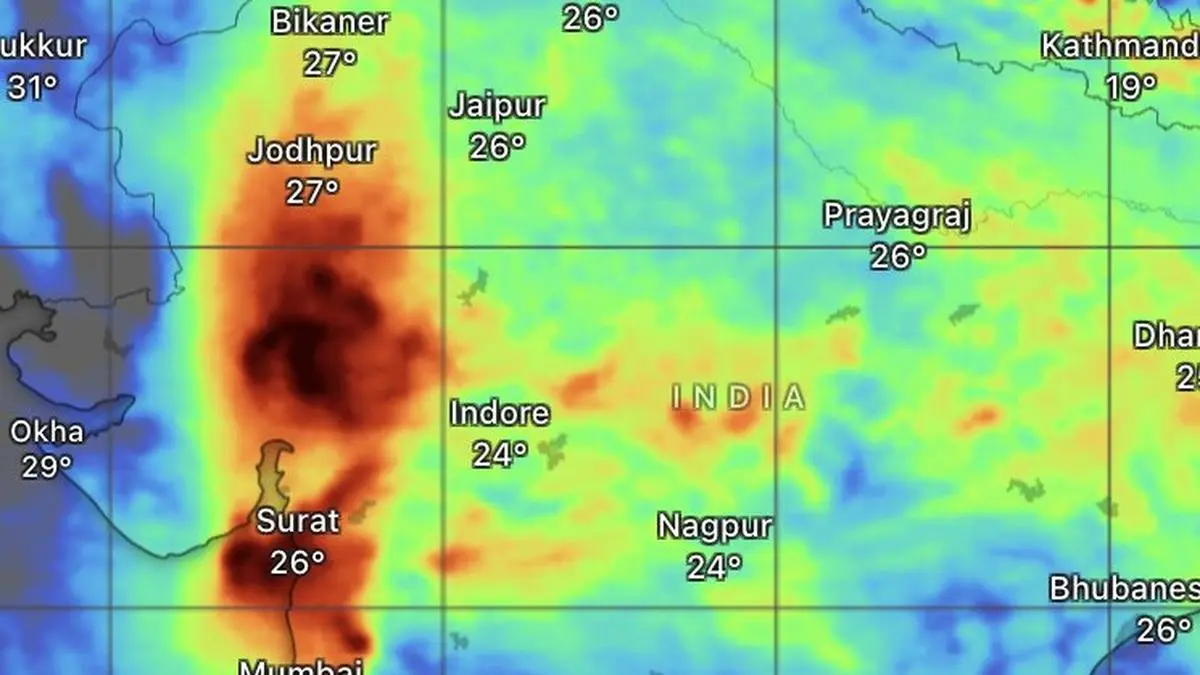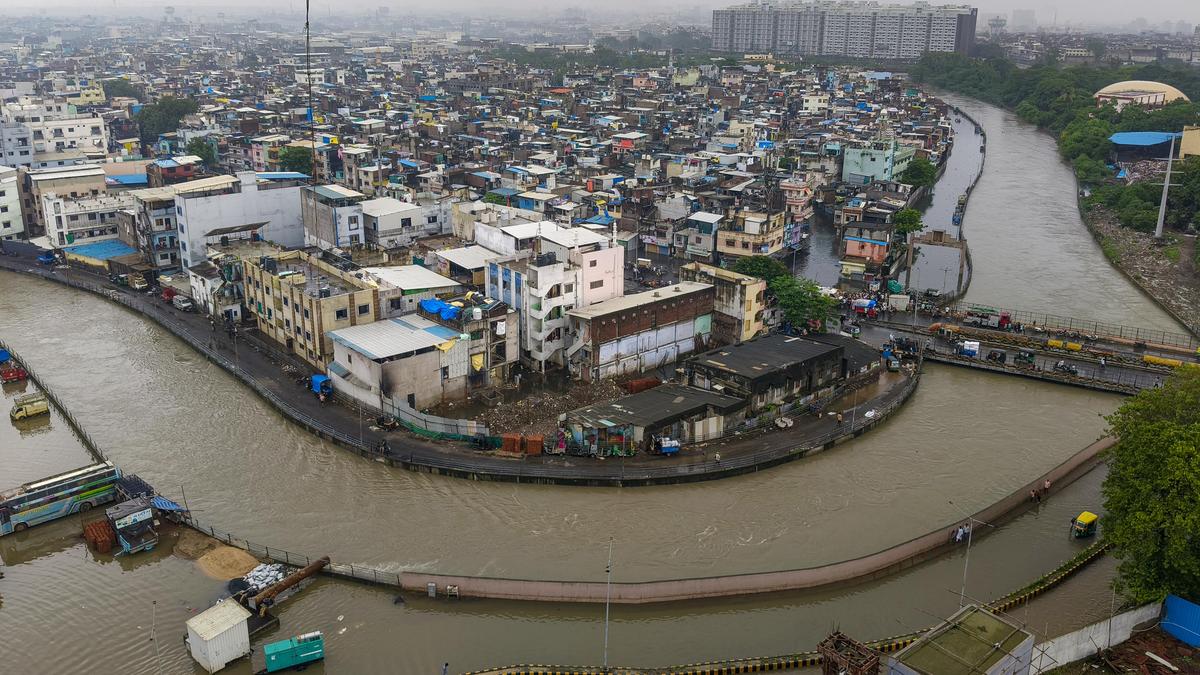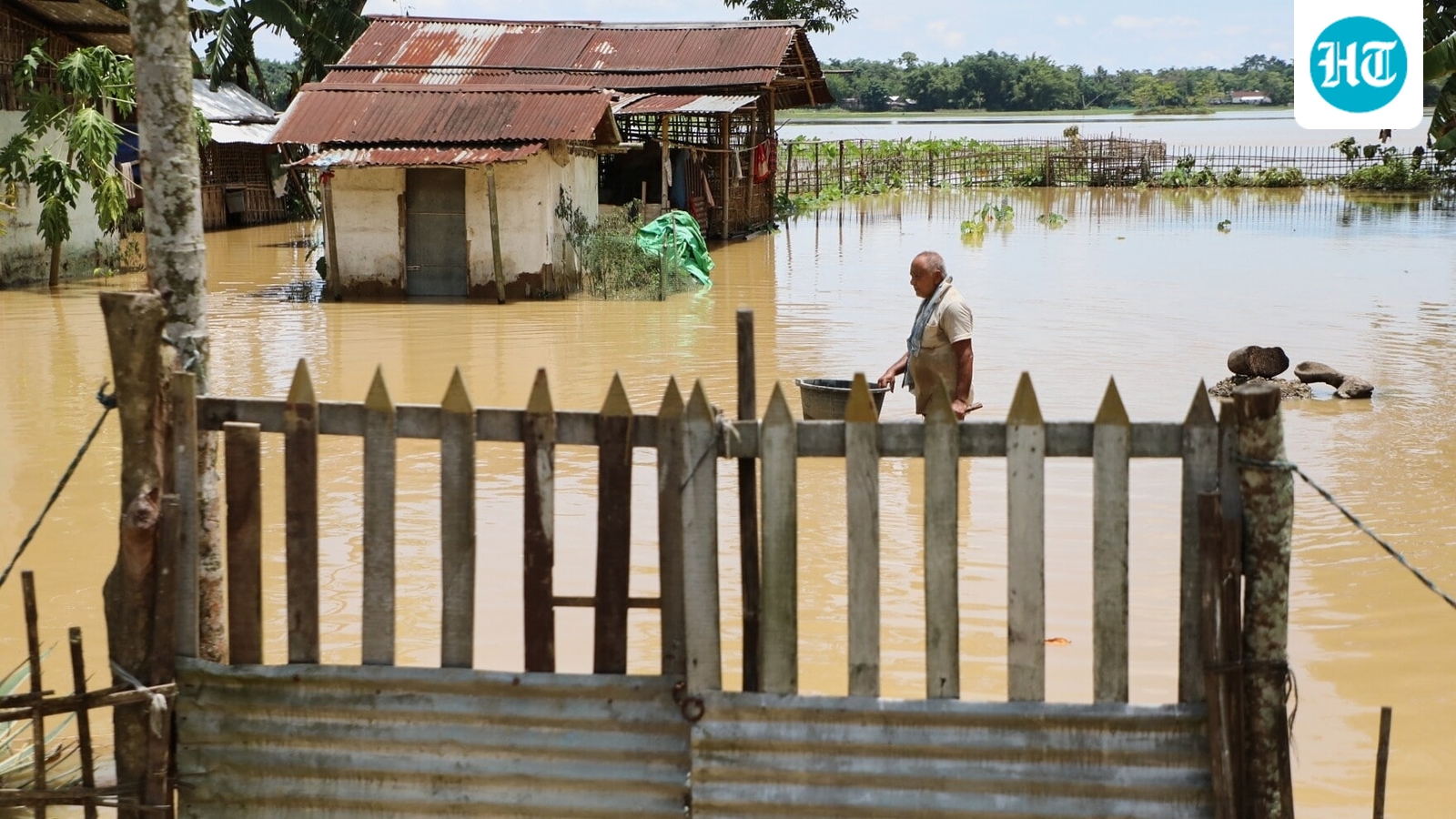
After a wet start, July has slipped into a rainfall deficit. While this month's shortfall may narrow, June's deficit remains harder to erase July is usually the rainiest month of the June-September southwest monsoon season. This makes it important to track the status of rain in this month, particularly in the ongoing monsoon season, which started off very dry. How has July rain been so far? HT’s analysis of the gridded rainfall data of the India Meteorological Department (IMD) shows that the month, which started very wet, has accumulated a deficit now. While it should not be difficult to make up July’s deficit, erasing the deficit accumulated in June is still a tall order.While this month's shortfall may narrow, June's deficit remains harder to erase. (PTI)This is the 36th driest July since 1901, but it has a deficit of only 7% India has received 137.6 mm rain this July. This is the 36th lowest rainfall for the July 1-July 17 period since 1901, the earliest year for which IMD has published gridded data. However, July rain is only around 7% less than the 1971-2020 average, which the IMD currently uses as the Long Period Average (LPA) for tracking rain performance. The reason July rain appears very dry relative to other years is that the July 1-July 17 period has had a surplus in 77 of the 126 years since 1901.The July deficit can be compensated quickly even with small daily surpluses… The 7% deficit accumulated so far in July amounts to only 9.8 mm. This should not be a difficult to make up if it rains like the July 1-July 8 period. The first eight days of July were wet enough that July rain entered deficit territory only on July 15 -- after six days of daily subnormal rain. At an average surplus like July 1-8 (3.1 mm/day), July will enter surplus territory in just over three days. Clearly, even a smaller daily surplus spread over a somewhat longer period should be enough to compensate for the dryness of the past week.…but overall surplus is far too big to be compensated with a few days of surplus A reversal of July’s recent turn into dryness – expected next week -- is important for at least one reason. It can help farmers who depend on rains for irrigation. However, July rains just closing in on the normal mark will not be enough for removing the cumulative deficit, which is important for recharge of groundwater, reservoirs, and other sources of surface water. Cumulative rain this season is currently 251.7 mm, 19.8% or 62.1 mm less than the LPA. As the maths of the previous section suggests, filling up this deficit will require almost 20 days of rain like the July 1-8 period.An even bigger problem is the geographical spread of rain To be sure, a big deficit in cumulative rainfall is not the only problem the 2026 monsoon has so far. It is also geographically skewed in a peculiar way. The 57% of the country’s area that has big deficit (of 20% or more, a threshold beyond which IMD calls rains “deficient”) in July is almost exactly the same as the 59% area that is deficient in cumulative monsoon rains. What is the reason behind this geographical relation? This is not difficult to see. The monsoon made sluggish progress through June and did not bring enough rain in places that it had reached. This means that it is July rain that is carrying the burden of the overall status of rain in most places. Therefore, places deficient in July are also deficient overall. To be sure, there are exceptions to this general trend. Parts of Tamil Nadu, Andhra Pradesh, Telangana, eastern Karnataka, and western Rajasthan in normal or excess category (surplus of 20% or more) owe their cumulative rain status to June rains rather than July.
July deficit is not hard to erase, removing overall deficit is | Number Theory
After a wet start, July has slipped into a rainfall deficit. While this month's shortfall may narrow, June's deficit remains harder to erase | India News
644 words~3 min read