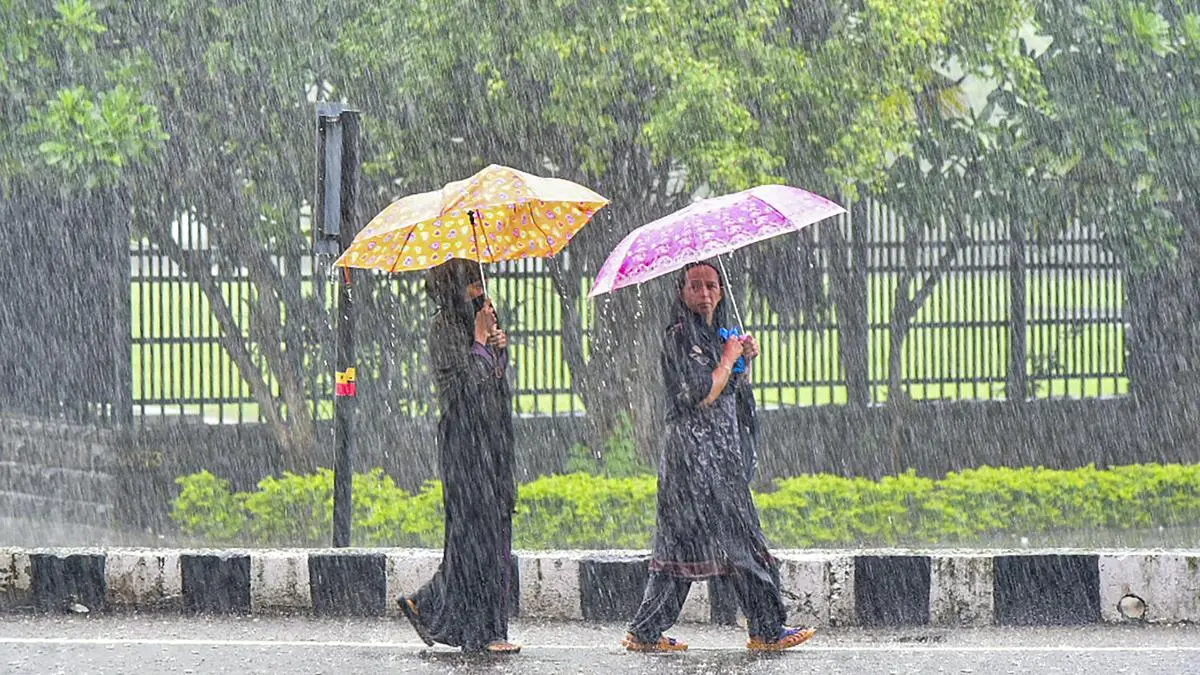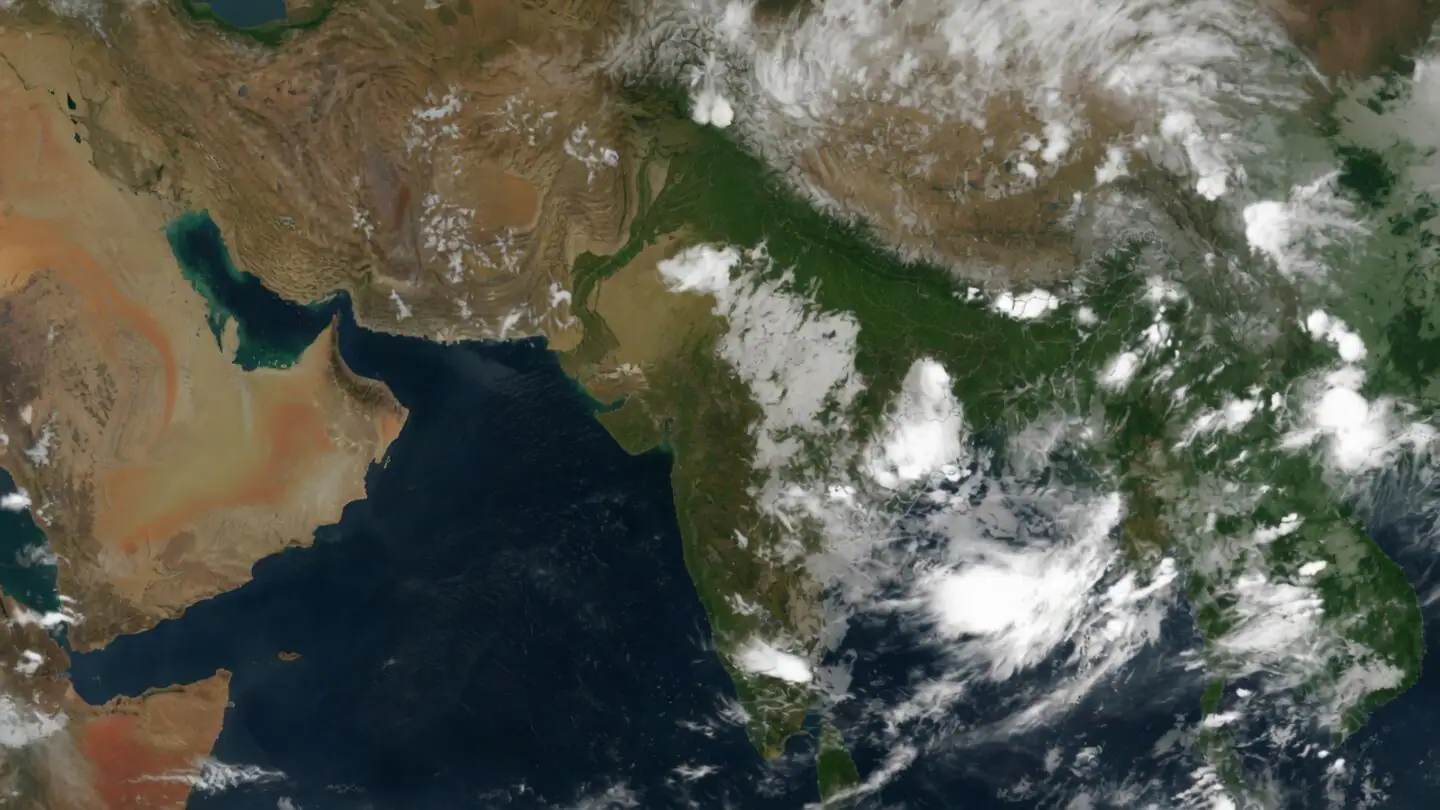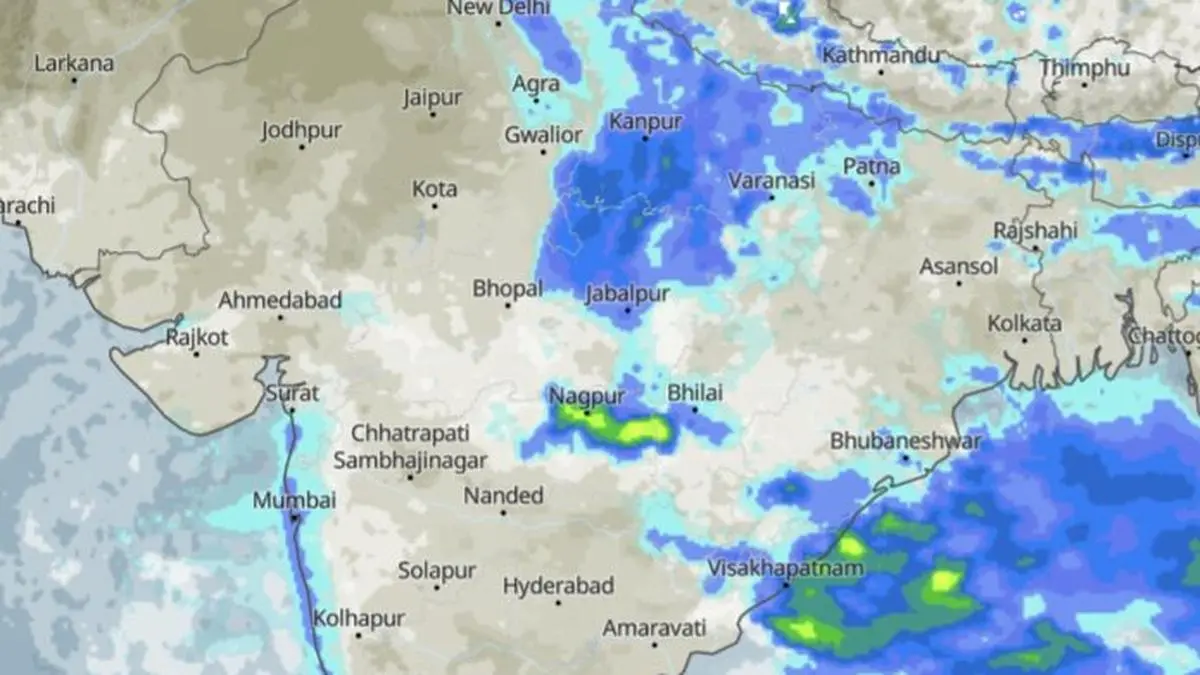
Children get drenched in the monsoon rain, in Morigaon; While a newly forming low-pressure system over the Bay of Bengal is expected to bring much-needed showers to West Bengal, Bihar, Odisha, east Uttar Pradesh, and Andhra Pradesh, the rest of the country is projected to remain dry until a full monsoon revival takes place.
| Photo Credit:
The seasonal rainfall deficit since June 1 has narrowed to 23 per cent, showing a marginal improvement from the 37 per cent deficiency recorded at the end of June. Data from the India Meteorological Department (IMD) credits this recovery to a much wetter first half of July, which saw rainfall at just 4% below normal.Since June 1, India’s cumulative seasonal rainfall has reached 227 mm, falling short of the Long Period Average (LPA) of 294.2 mm. This deficit is widespread, with 21 subdivisions, representing 56 per cent of the country’s total area, currently classified as “deficient,” meaning they have received at least 20 per cent less than their normal rainfall.A lull in the monsoon since July 10 has sent pan-India rainfall plummeting to a staggering 67 percent below normal between July 11 and 15, leaving 28 States and Union Territories gripped by either “deficient” or “large deficient” conditions. The dry spell heavily impacted the first fortnight of the month, with 17 meteorological subdivisions—accounting for 42 percent of the country’s total geographical area—reporting a rainfall deficit.While a newly forming low-pressure system over the Bay of Bengal is expected to bring much-needed showers to West Bengal, Bihar, Odisha, east Uttar Pradesh, and Andhra Pradesh, the rest of the country is projected to remain dry until a full monsoon revival takes place.According to the latest IMD data, India managed to record 123.3 mm of rain during the first half of July against the historical normal of 128.9 mm, resulting in a minor overall deficit of 4 percent, largely supported by two out of the four main meteorological subdivisions.Regional performances, however, paint a highly fractured picture. North-West India trailed slightly behind with 84.1 mm, marking a 7 percent deficit, while Central India—which covers the country’s primary rainfed agricultural belt across Odisha, Chhattisgarh, Madhya Pradesh, Maharashtra, and Gujarat—experienced a robust 30 percent surplus, locking in 188.6 mm against a normal of 144.7 mm.In sharp contrast, the rest of the country faced severe shortages. The southern peninsular region, including Kerala, Tamil Nadu, Karnataka, Telangana, Andhra Pradesh, and Puducherry, received just 61.1 mm of rainfall, falling 35 percent short of its Long Period Average (LPA) of 94.3 mm. Similarly, the east and north-east subdivision, encompassing West Bengal, Bihar, Jharkhand, Assam, and neighboring northeastern states, mirrored this 35 percent deficit, registering only 137.6 mm against an expected LPA of 211.8 mm.Published on July 15, 2026