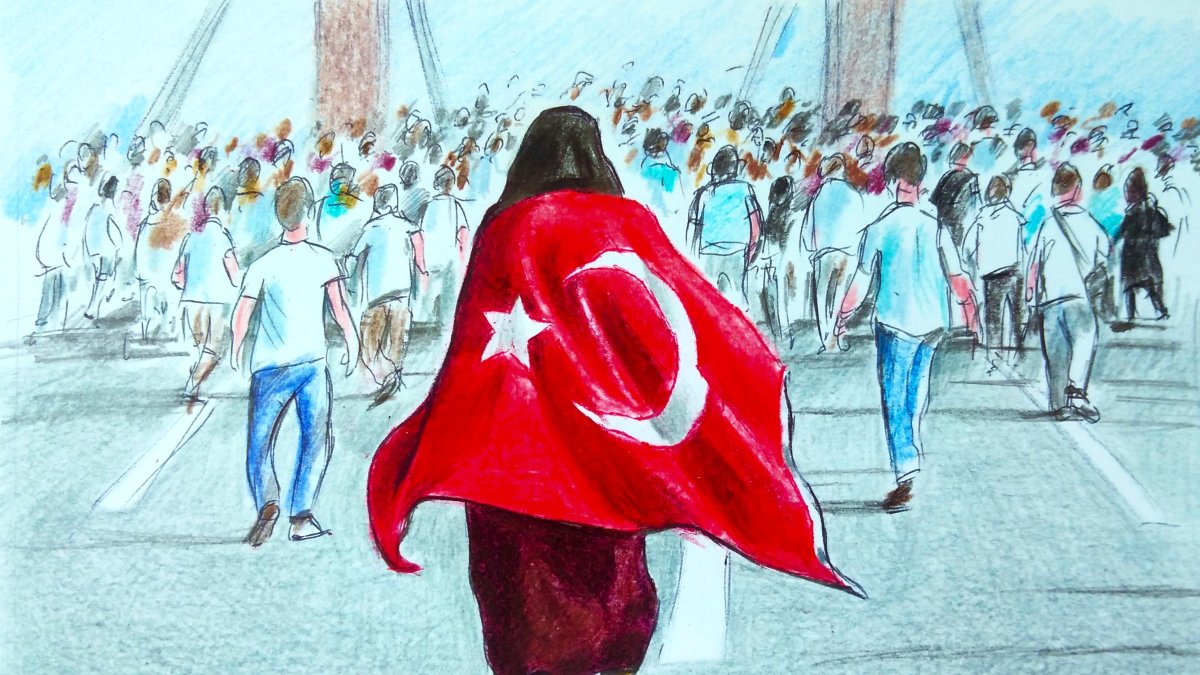
Although Türkiye’s transformation over the past two decades has often been explained primarily through economic indicators, foreign policy initiatives or infrastructure investments, it in fact represents a far deeper paradigm shift. At the heart of this transformation lies the construction of a new language, a new mode of thinking, and a new form of institutional organization. Having long been shaped by the center-periphery divide that persisted for nearly two centuries, by one-directional Western-centered modernization projects, and by top-down efforts to reshape society, Türkiye has, for the first time in the 21st century, begun to move forward with a renewed sense of social dynamism grounded in the rediscovery of its own capabilities, aspirations and self-confidence. This new language is not merely a political preference; it is the defining feature of a foundational transformation that has enabled the restructuring of state-society relations, the expansion of economic capacity, and the emergence of Türkiye as an autonomous actor in international affairs.
For many decades, Türkiye’s modernization was shaped by a narrow bureaucratic and intellectual elite positioned at the center. The periphery, in contrast, represented a broad segment of society assigned the role of adapting to this center while frequently remaining excluded from decision-making processes and unable to integrate into the cultural framework defined by the center. Conducted within Western-centered epistemic frameworks, this process sought to transform both society and state institutions through a one-way project of indoctrination, grounding the legitimacy of the state less in the will of society than in external systems of reference. As a result, Türkiye was compelled to regard its own historical legacy, cultural continuity and social dynamism not as sources of strength but as obstacles to modernization.