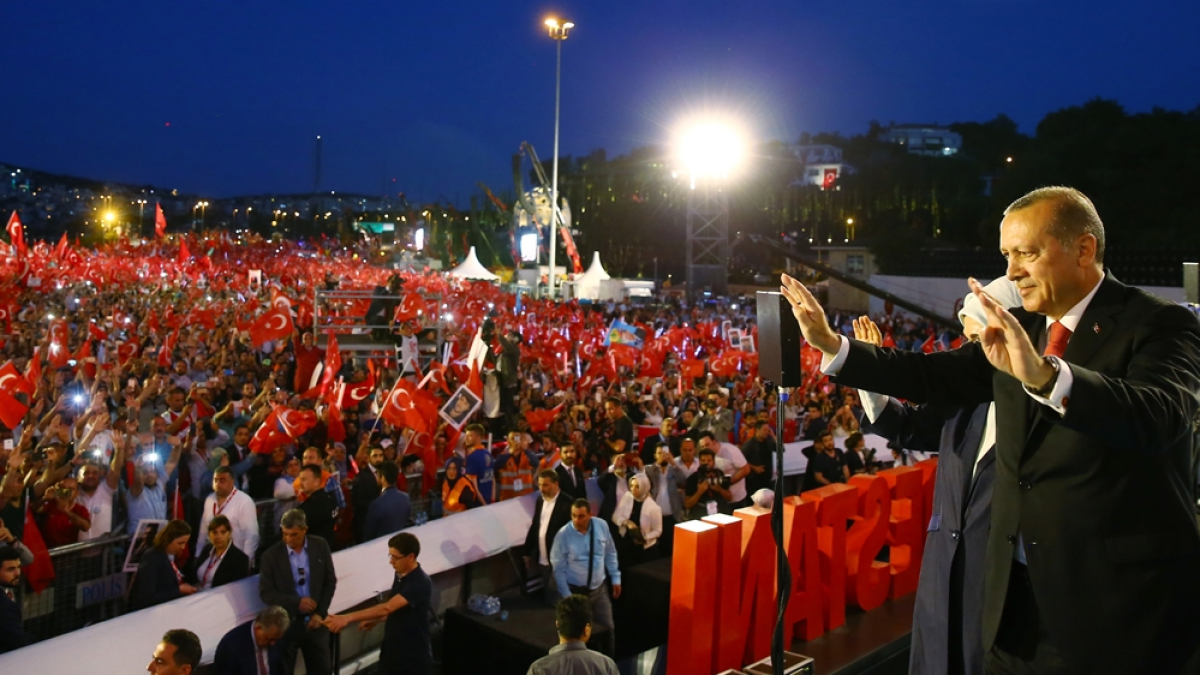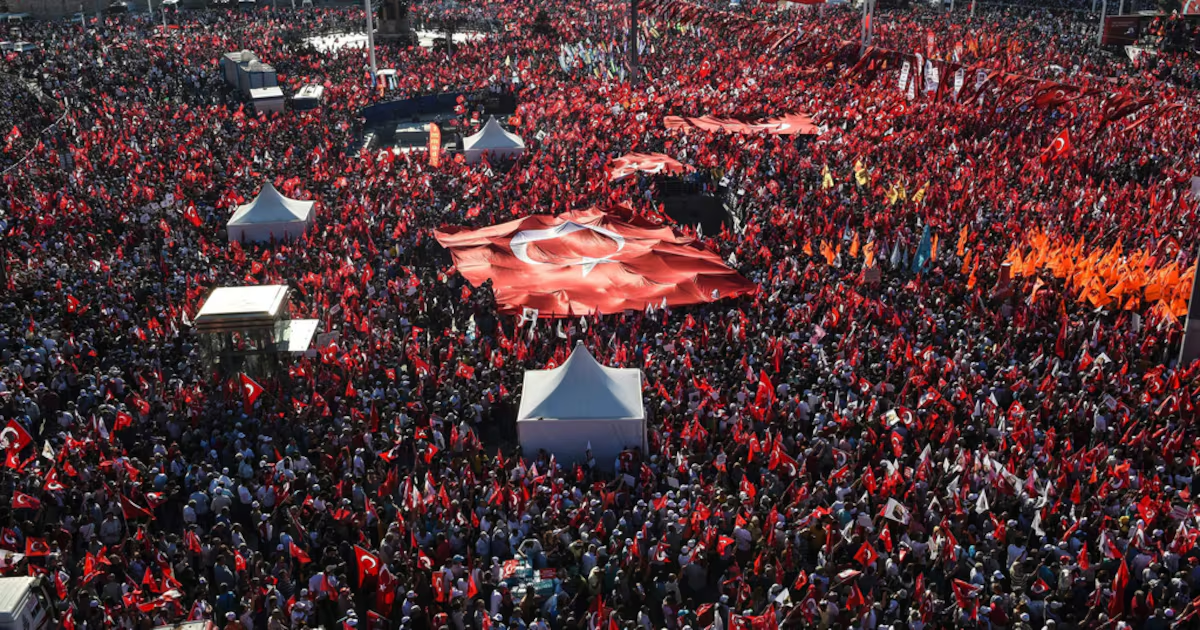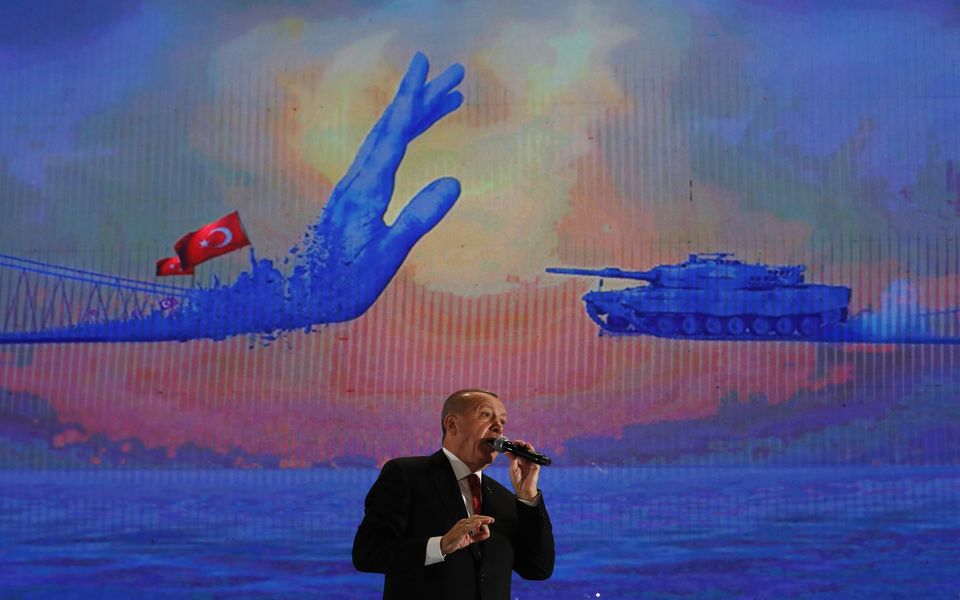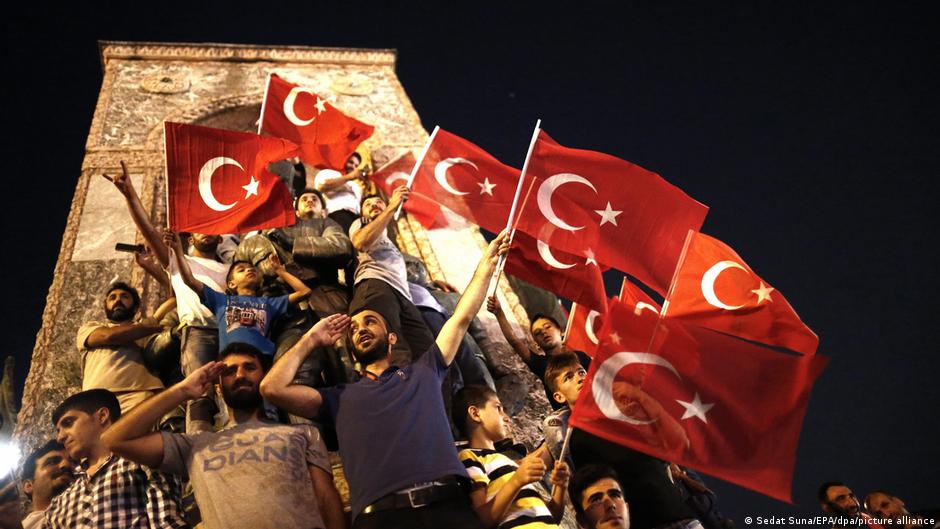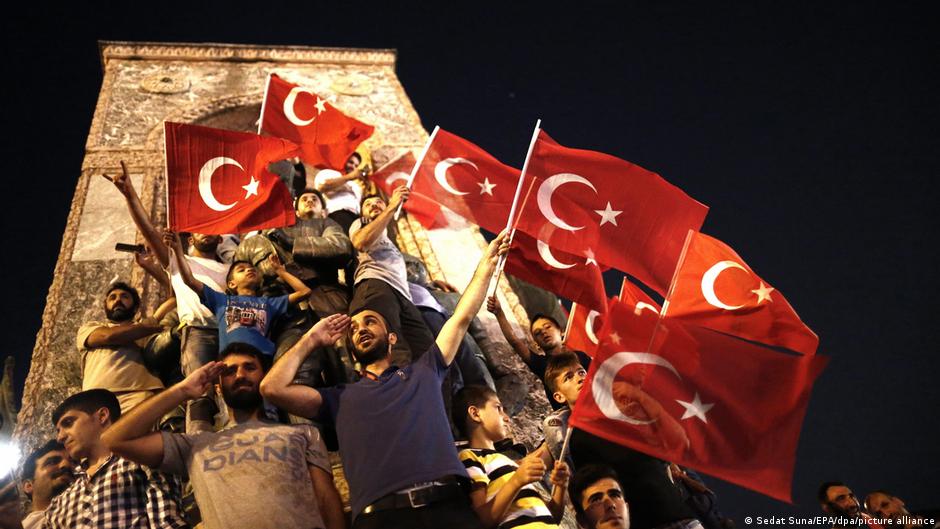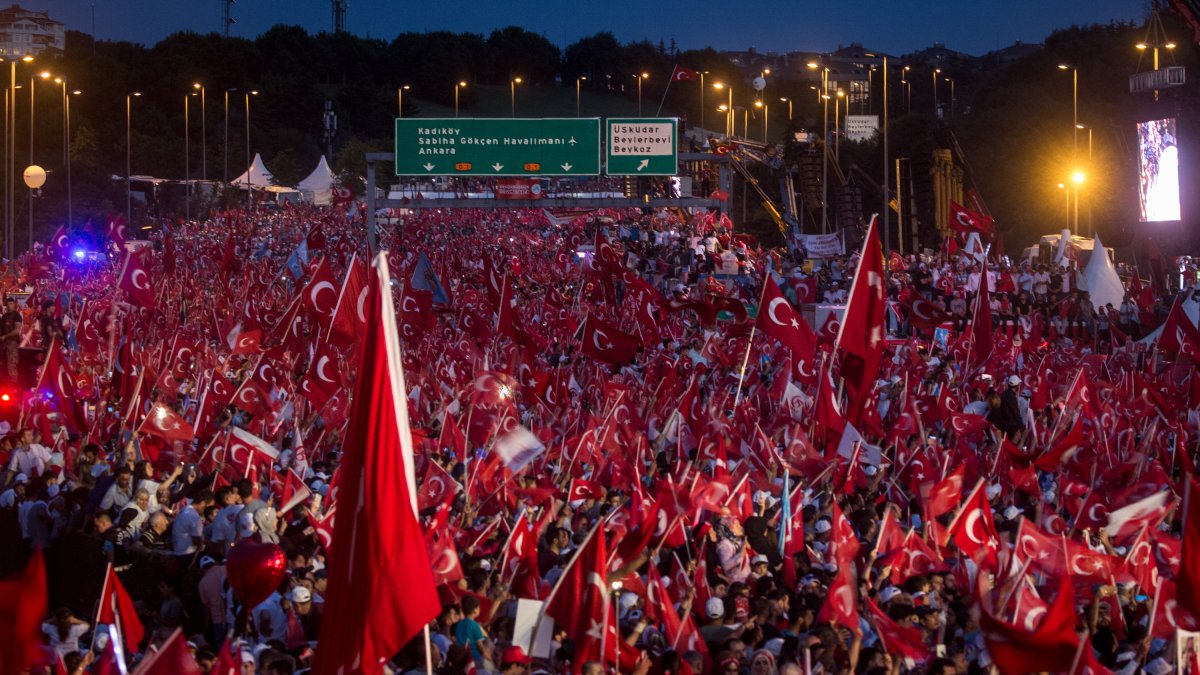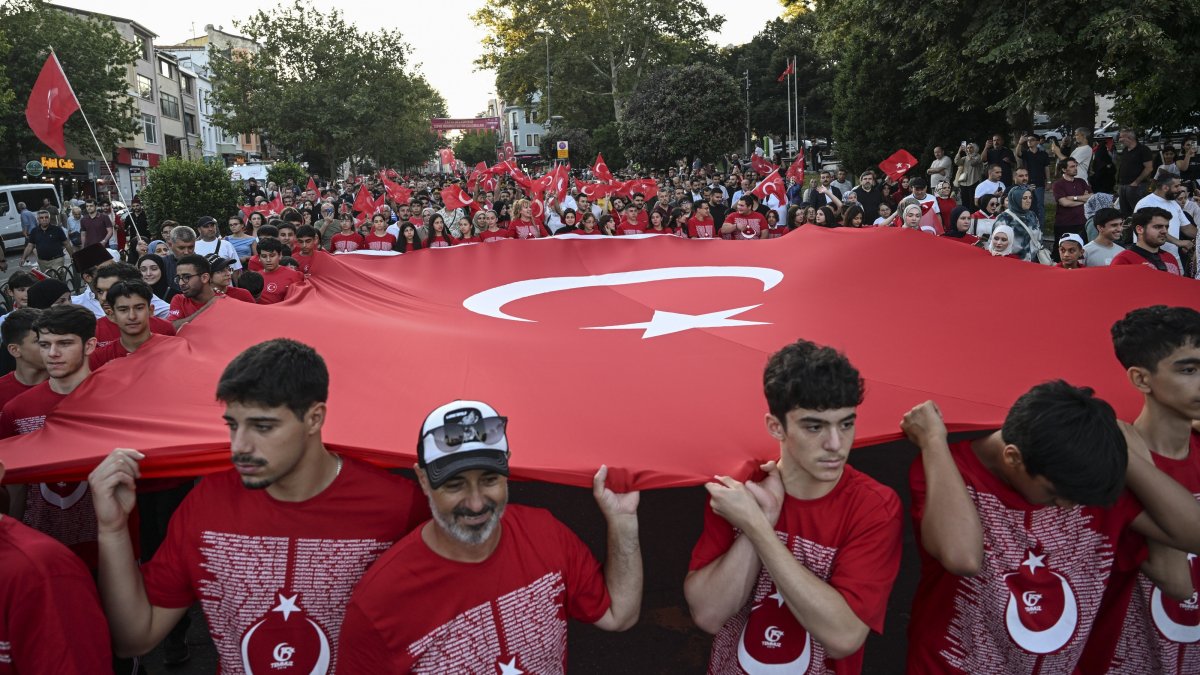
As Türkiye marked the anniversary of the July 15 coup attempt with thousands of commemorative events across the country – from the July 15 Martyrs' Bridge in Istanbul to the streets of Ankara – it was once again reminded that few, if any, nations have ever confronted a threat of such an extraordinary nature.
On the night of July 15, 2016, Türkiye came face to face with an organization that had spent nearly six decades patiently infiltrating the state's most critical institutions. Working in close coordination with international intelligence networks, it had embedded itself within the military, the police, the judiciary and the bureaucracy, building a hidden structure capable of attempting to take control of the entire state.
Following World War I, a global order emerged under the leadership of Britain and France. At that time, few independent states remained outside Western dominance. Much of the Middle East, Latin America, the Far East and the former Ottoman territories fell under direct occupation or colonial administration.
After World War II, that hegemonic order largely shifted to the U.S. Although classical colonialism gradually gave way to new forms of influence, many countries remained under external domination – either through overwhelming geopolitical power or through cultural influence and political instruments.