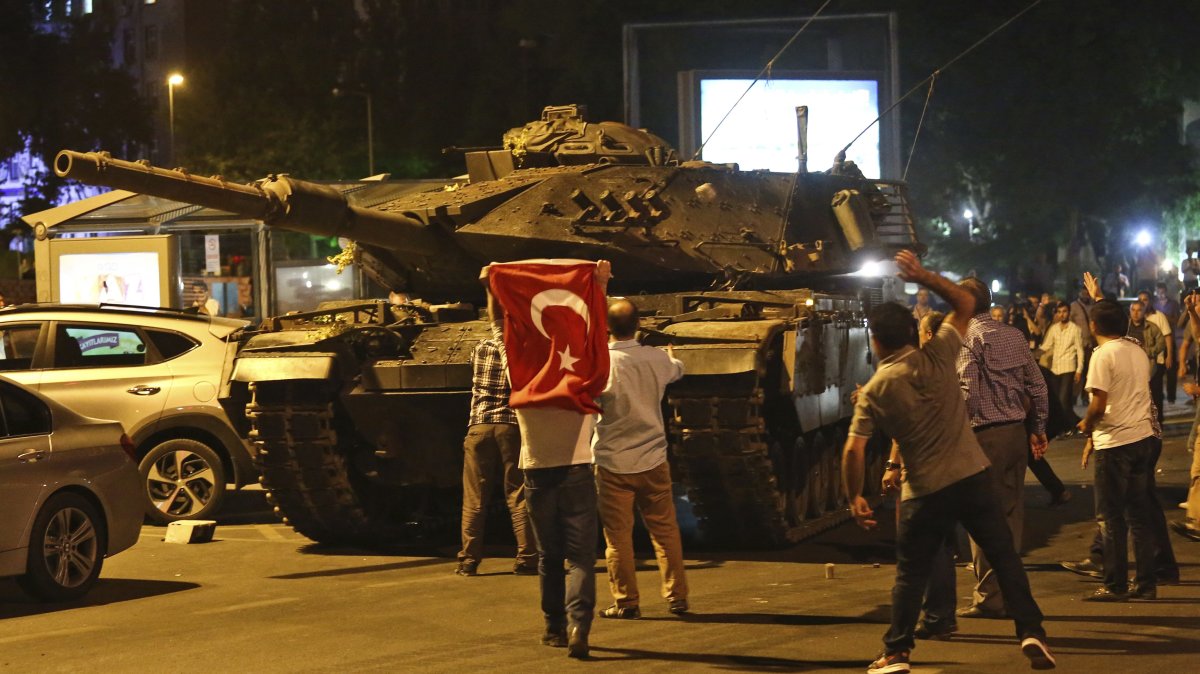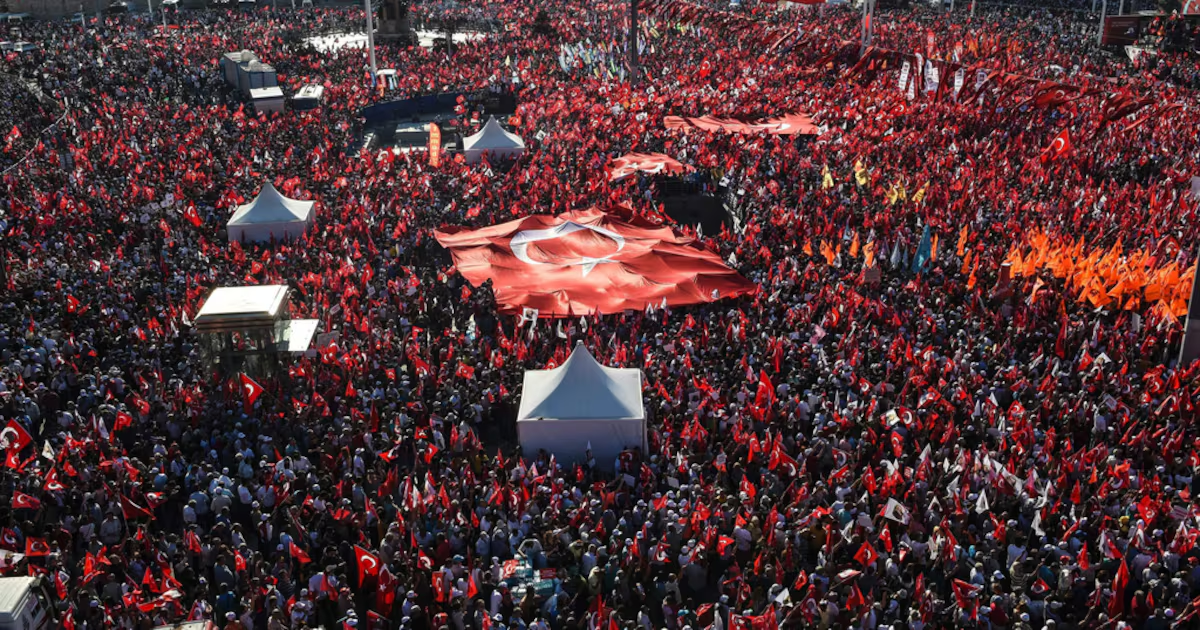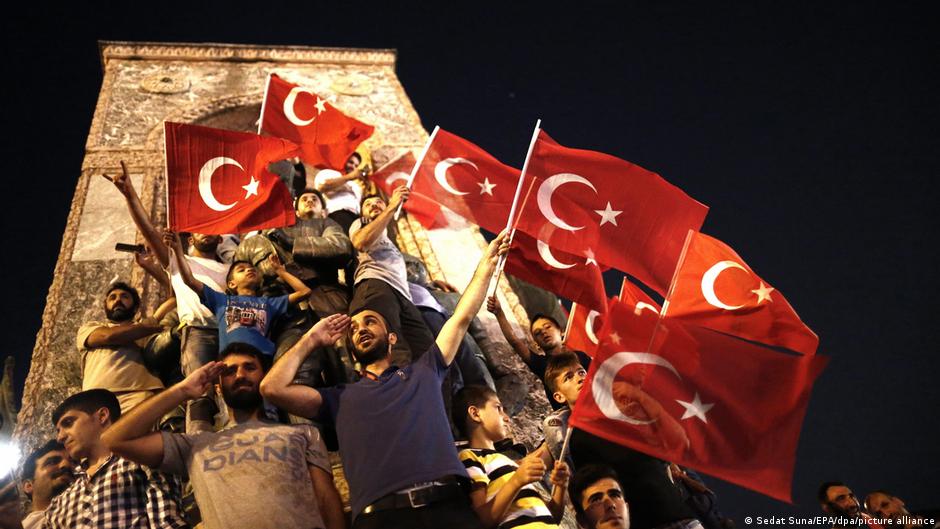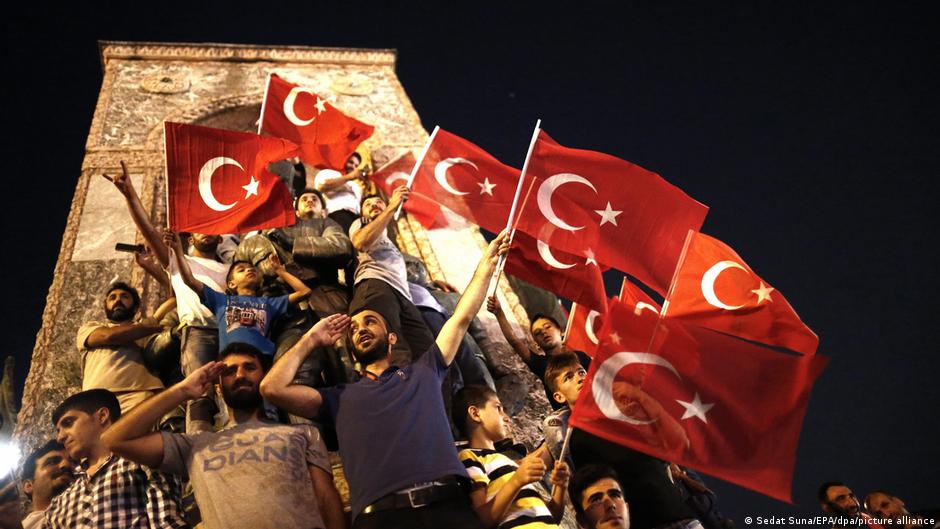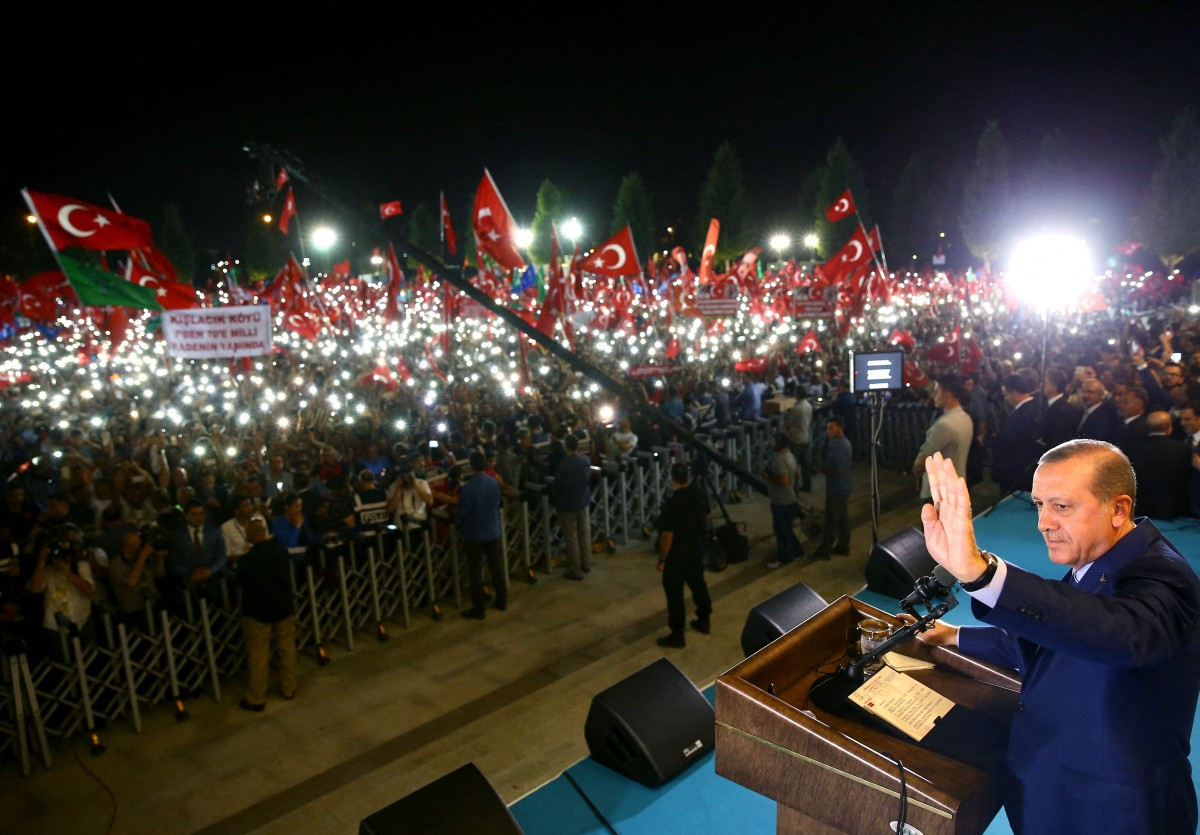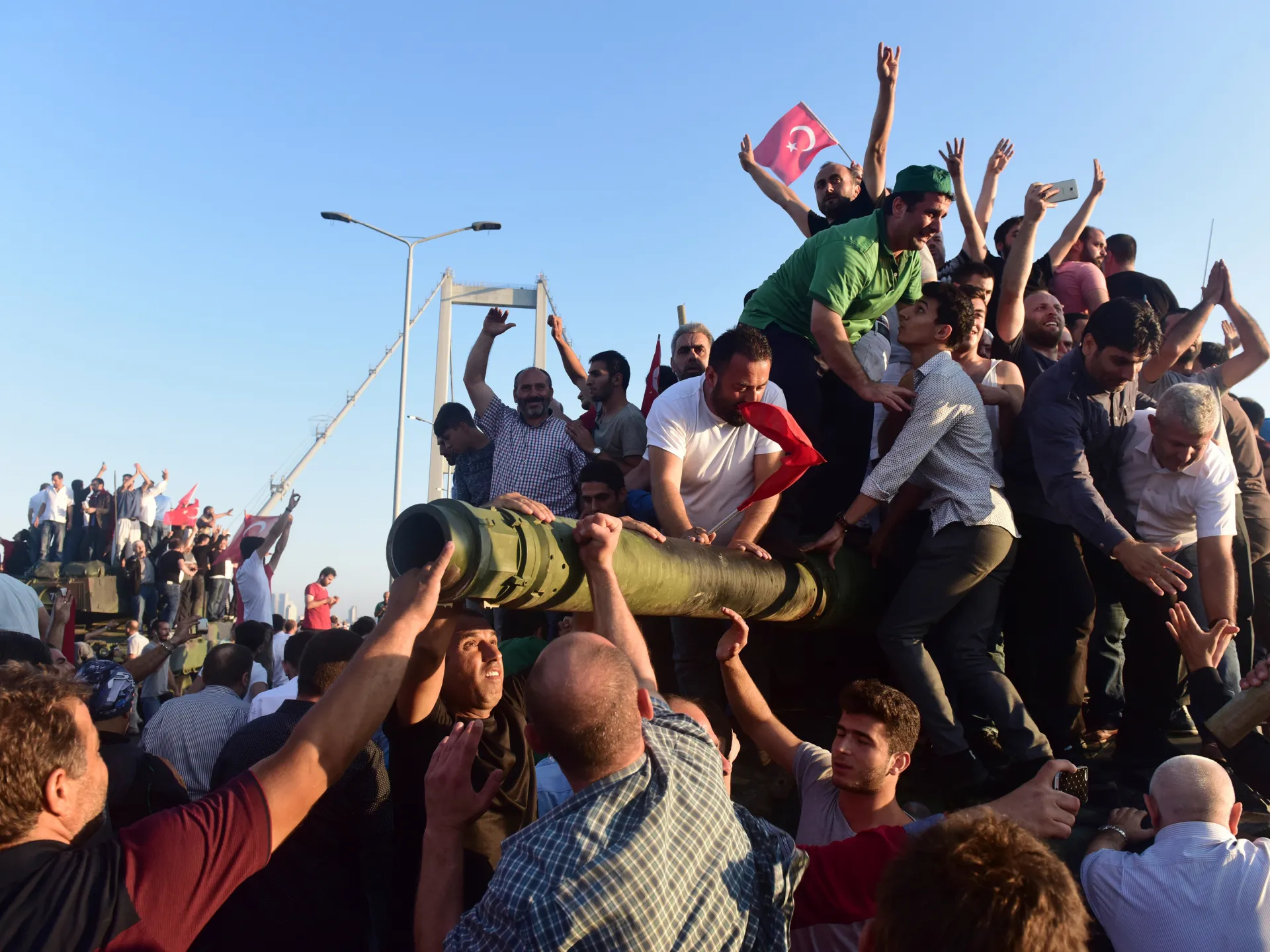
The July 15 coup attempt is a turning point in Turkish domestic and foreign policy. It was not an ordinary event but a crucial turning point affecting not only Turkish domestic politics but also Turkish foreign policy. Considering its impact on foreign policy, July 15 can be examined in two different contexts: regional and global. Below, I will first briefly explain the impact of Turkish domestic politics. Then I will analyze its impact on Turkish foreign policy, focusing on regional and global scales.
Restructuring of domestic politics
The post-coup-attempt period presented a historic opportunity for the restructuring of the state, and this opportunity was seized, leading to the restructuring of both state institutions and the country’s domestic and foreign policies. The failed coup attempt made a significant contribution to the restructuring of Türkiye’s domestic politics. The effectiveness of state institutions, especially security institutions, has increased significantly.
After the coup attempt, state institutions and the administrative structure were largely restructured. The administrative system was changed, transitioning to a presidential system. The political system in Türkiye was fundamentally altered; a presidential system was introduced. Accordingly, almost all state institutions were restructured; civilian politics was strengthened. With the strengthening of civilian politics, the tutelage regime was ended. Elected politicians consolidated their power against the appointed bureaucrats. The likelihood of a coup in Türkiye will be much lower once state institutions begin to perform their primary duties.