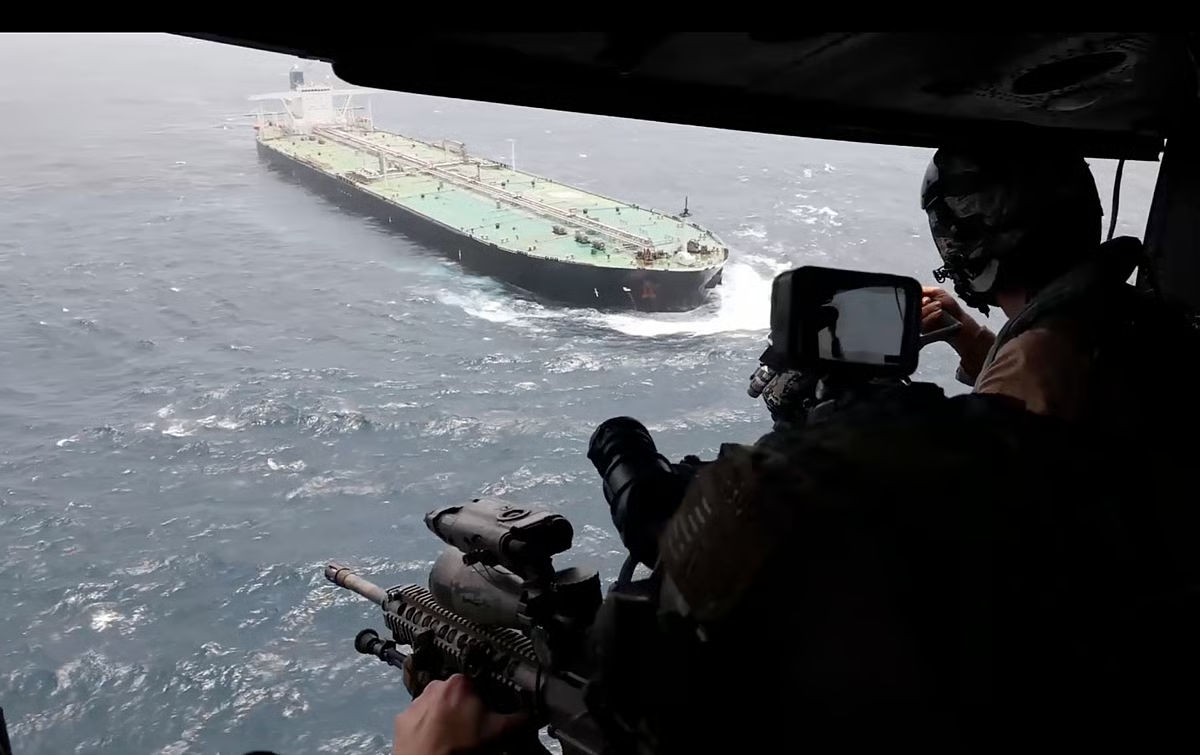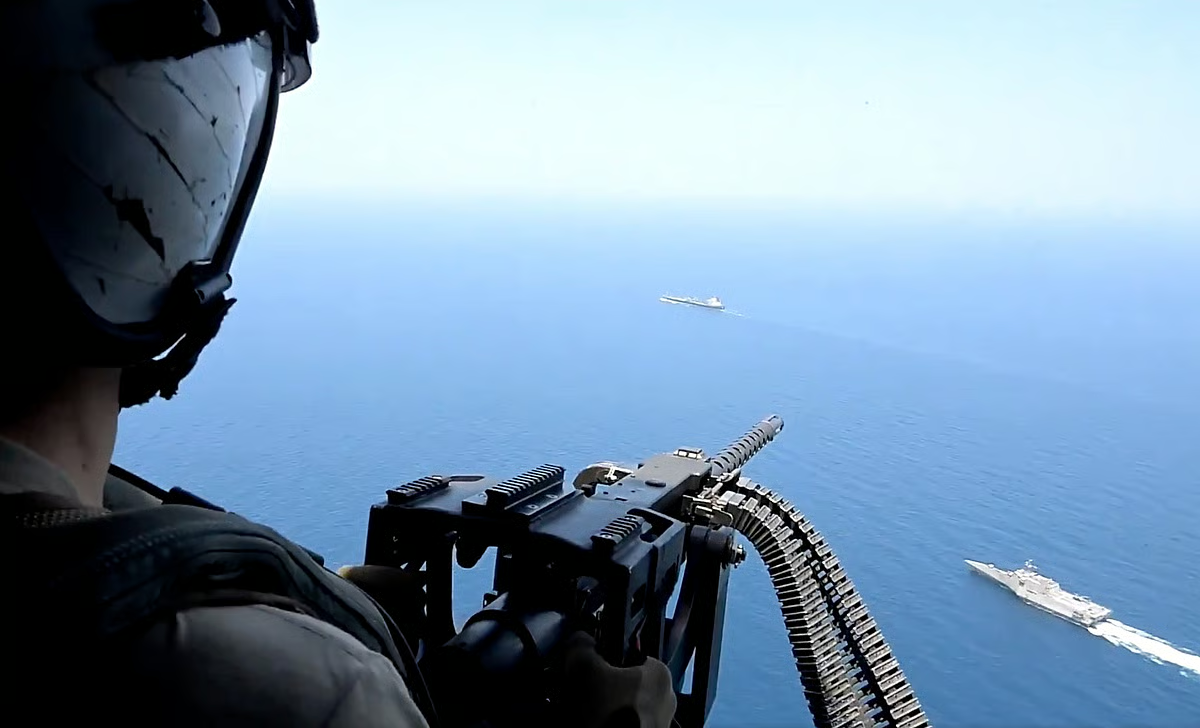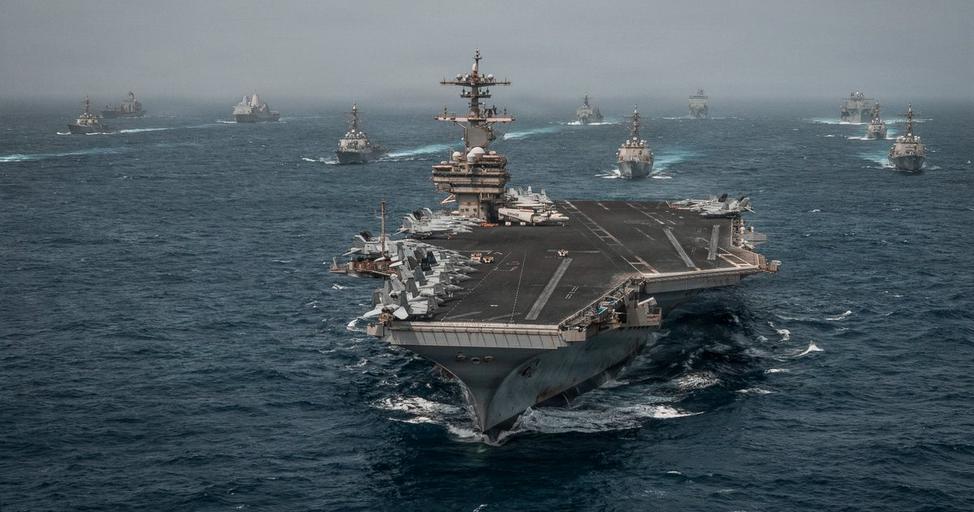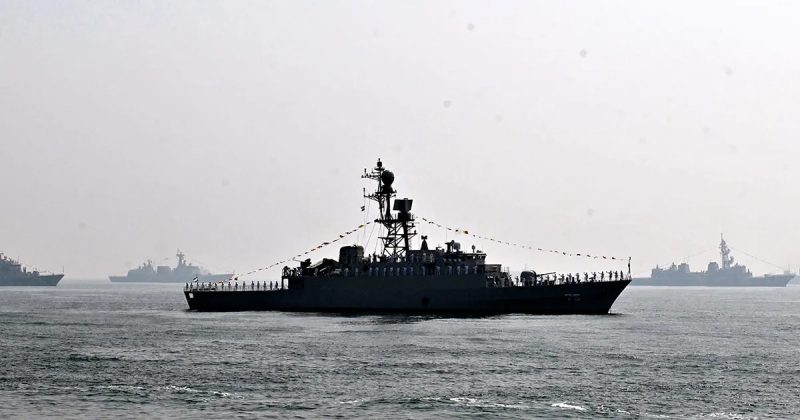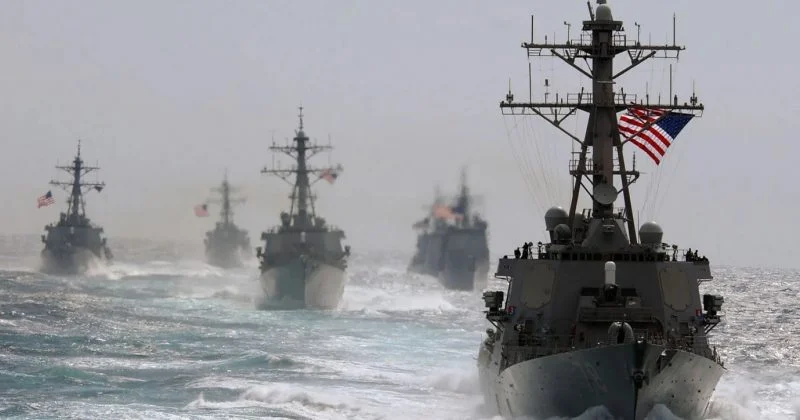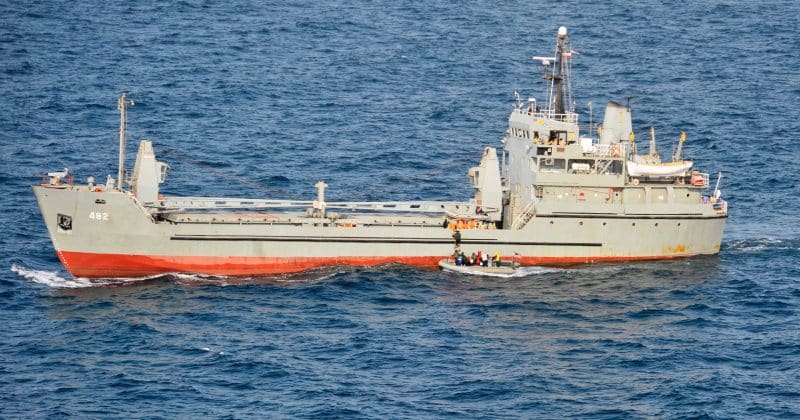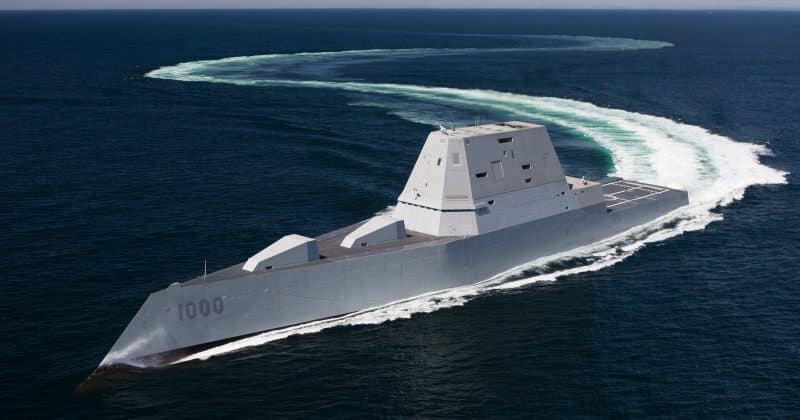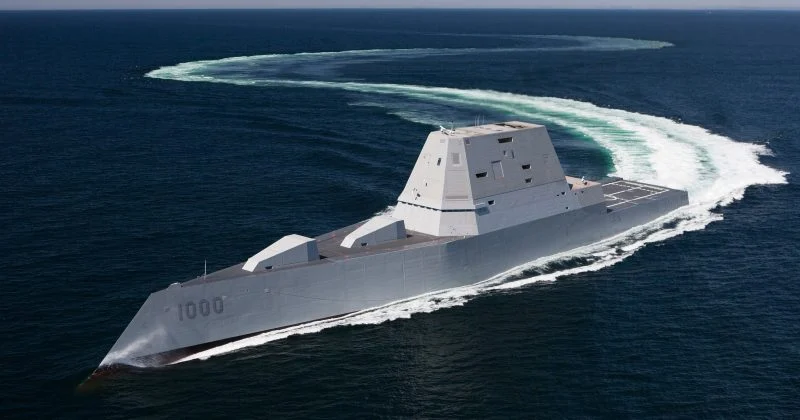
The US military is back to playing traffic cop in one of the world’s most important shipping lanes. US Central Command reimposed a naval blockade on Iranian ports on July 14, 2026, at 4 p.m. ET, and within 17 hours had already redirected two commercial vessels and boarded a third, the M/T Wen Yao, in the Gulf of Oman.
For crypto markets, which have grown increasingly sensitive to geopolitical tremors near the Strait of Hormuz, the timing couldn’t be more charged. Bitcoin dipped below $71,000 shortly after the blockade announcement.
What happened and why it matters
This isn’t the first round. The initial blockade ran from April 13 to June 18, 2026. During that roughly two-month window, the US military redirected over 140 vessels and disabled nine ships that refused to comply.
The boarding of the M/T Wen Yao in the Gulf of Oman signals that CENTCOM isn’t just waving ships away from a distance. Compliance verification means boots on decks, inspections of cargo manifests, and the kind of direct military engagement that tends to escalate tensions rather than calm them.