The US naval blockade of Iranian ports has produced an unexpected side effect: a wave of crypto fraud targeting the very ships stuck in its crosshairs.
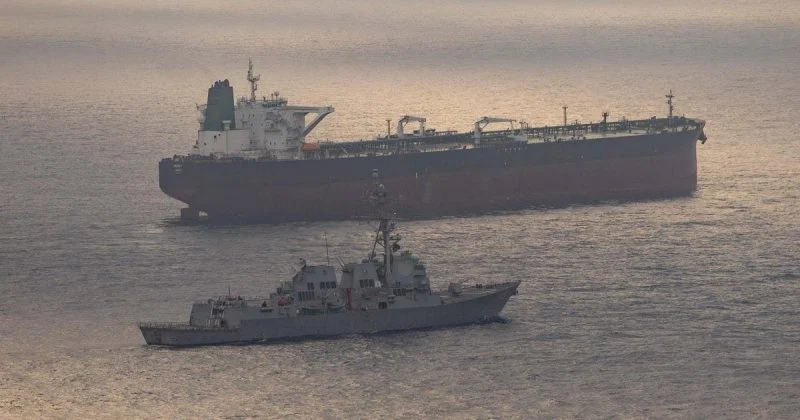
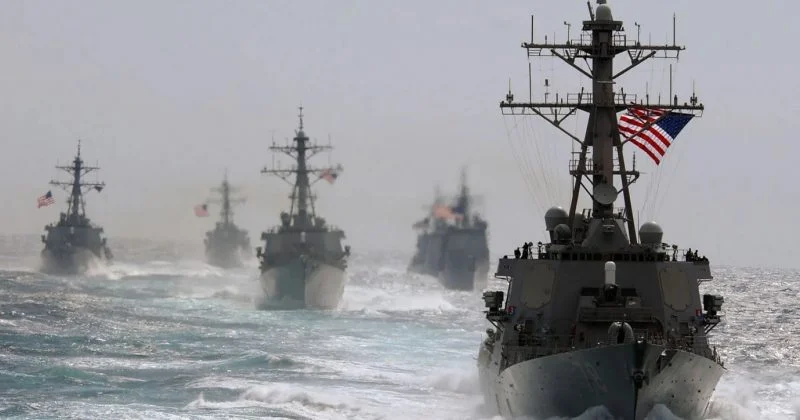
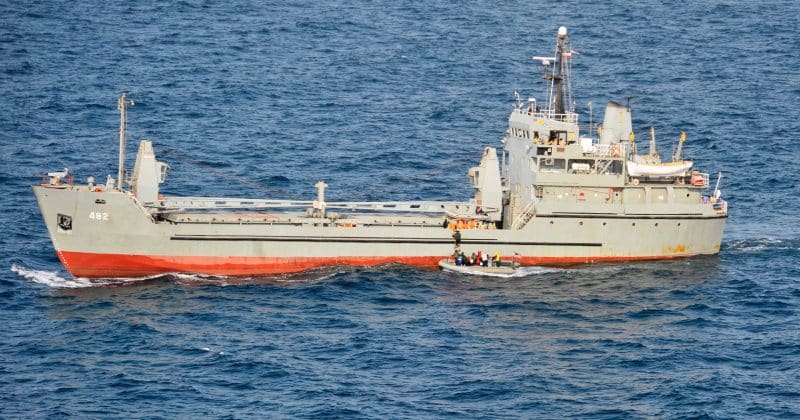
Since CENTCOM initiated the blockade on April 13 at 10 a.m. ET, US forces have redirected approximately 141 commercial vessels, disabled nine ships that refused to comply, and permitted 42 humanitarian aid vessels to pass through. But running parallel to it is a growing scam economy, with fraudulent actors impersonating authorities and demanding Bitcoin and USDT payments from stranded vessels in exchange for safe passage.
The US Treasury has moved to freeze approximately $344 million in digital assets linked to these blockade-related scams.
The blockade by the numbers
The operation covers Iranian ports across the Arabian Gulf and Gulf of Oman. Non-Iranian vessels transiting the strategically critical Strait of Hormuz are still being allowed through, a deliberate choice designed to pressure Tehran without choking off global shipping lanes entirely.