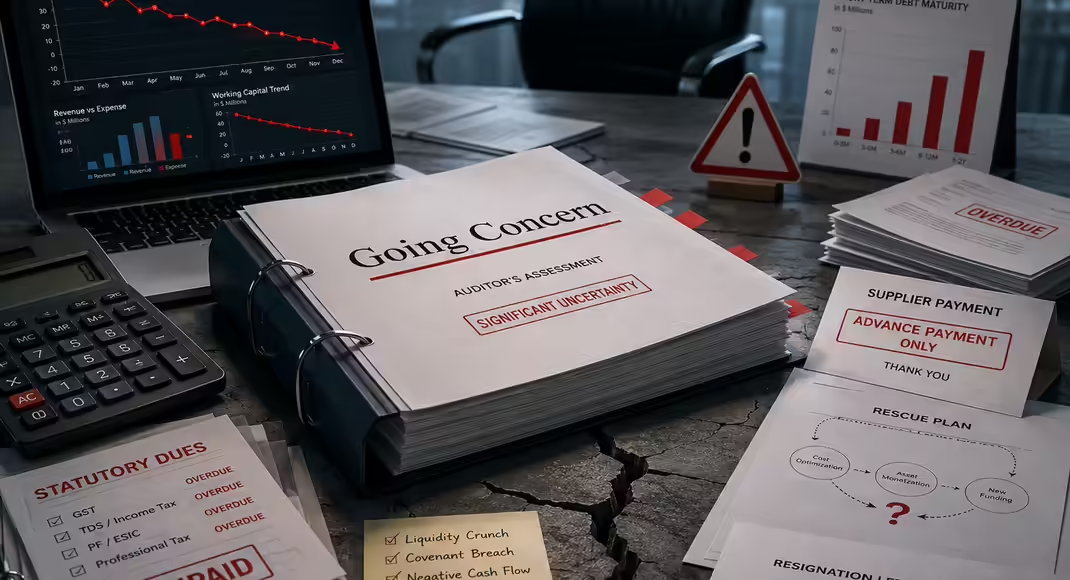
Search+Intelligent InvestingSynopsisBy the time a “going-concern” paragraph appears in an audit report, the trouble is usually several quarters old. The earlier signals are elsewhere: Profits reported alongside negative operating cash flow, short-term borrowings funding long-term assets, suppliers switching from credit to advance payment, statutory dues slipping, an auditor resigning mid-term. This piece assembles those signals into a practical checklist, explains how a rescue plan should be tested rather than trusted, and shows why a proposal that stays "under discussion" for several quarters should be read as a hope, not a solution.There is a myth that the auditor tells you when a company is in trouble. He doesn't. He tells you when the trouble has become impossible to leave out of a document. By then it is old news. The cash is already draining. Suppliers have already stopped giving credit and started asking for money upfront. Short-term loans are already being rolled over to pay for things that should never have been funded by short-term loans. Salaries or dues are ETMarkets.com 32 mins readJul 17, 2026, 11:32:00 PM ISTGift this Story to your friendsFONT SIZEAbcSmallAbcMediumAbcLargeSAVEPRINTCOMMENTContinue reading with one of these options:Limited AccessFreeLogin to get access to some exclusive stories & personalised newslettersLogin NowUnlimited AccessStarting @ Rs120/monthGet access to exclusive stories, expert opinions & in-depth stock reportsSubscribe NowETUh-oh! This is an exclusive story available for selected readers only.Worry not. You’re just a step away.What’s Included withETPrime Membership
Accounting fraud: Every time, the same queue. The company, the auditor, and shareholders at the end
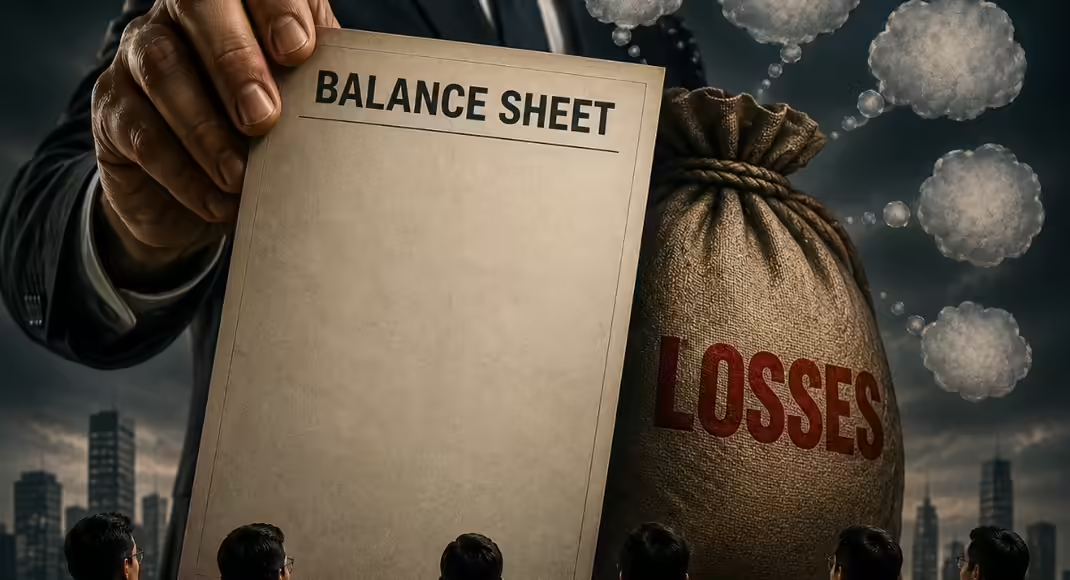
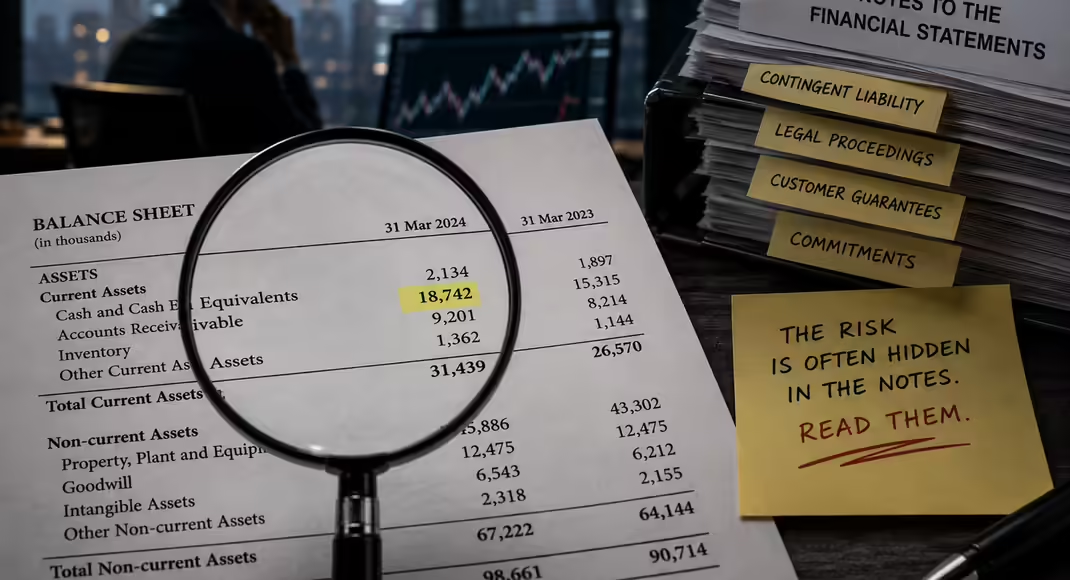
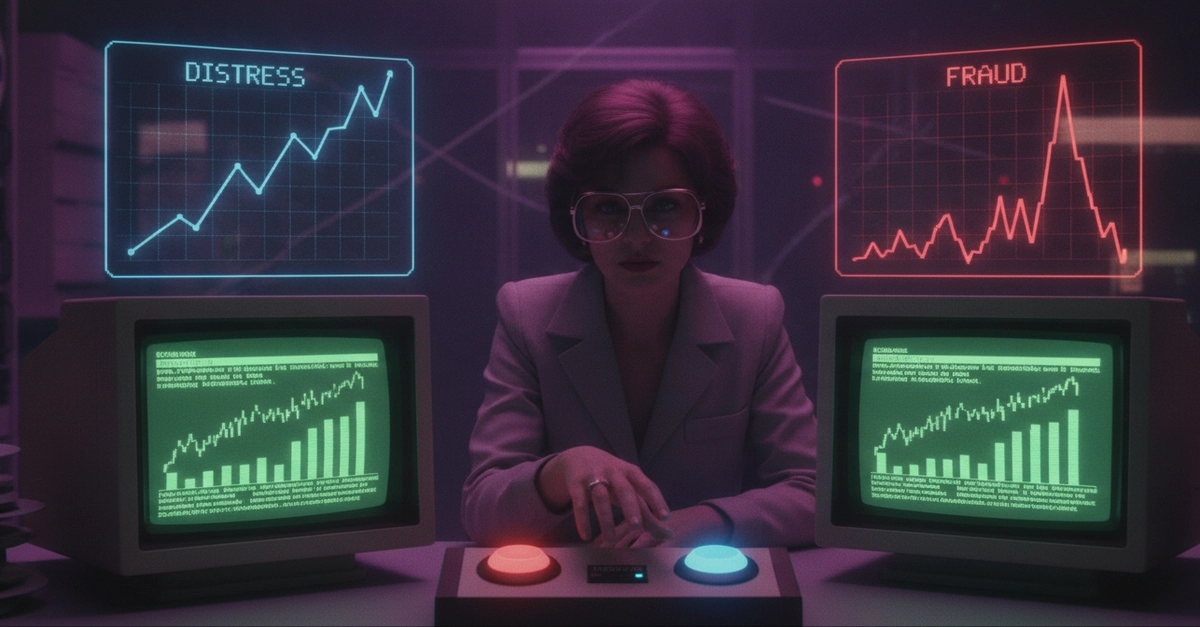
By the time a “going-concern” paragraph appears in an audit report, the trouble is usually several quarters old. The earlier signals are elsewhere: Profits reported alongside negative operating cash flow, short-term borrowings funding long-term assets, suppliers switching from credit to advance payment, statutory dues slipping, an auditor resigning mid-term. This piece assembles those signals into a practical checklist, explains how a rescue plan should be tested rather than trusted, and shows why a proposal that stays "under discussion" for several quarters should be read as a hope, not a solution.
586 words~3 min read