Home
Storia in 1 fonti
Accounting fraud: Every time, the same queue. The company, the auditor, and shareholders at the end
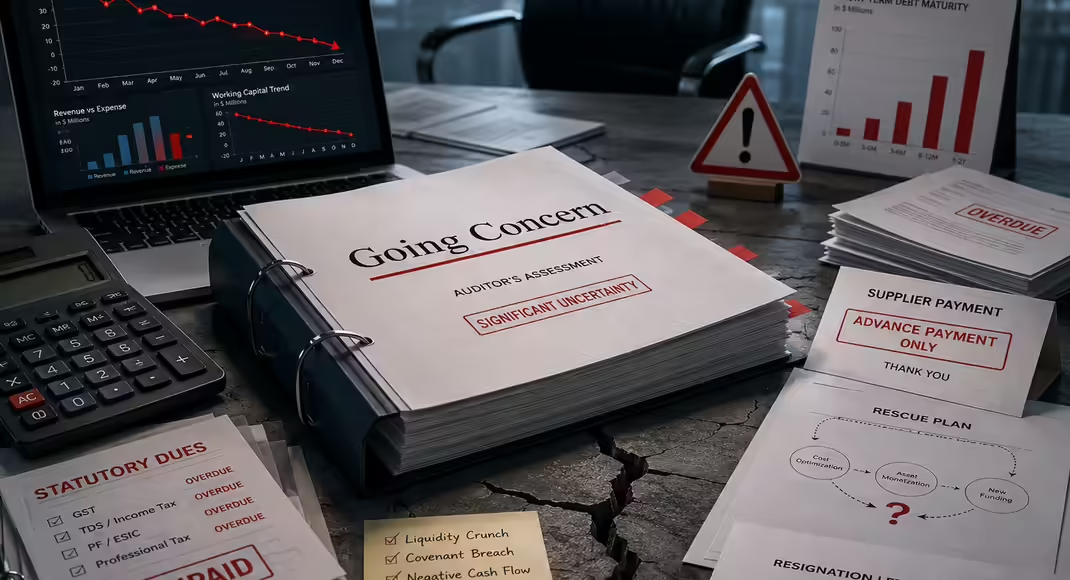
By the time a “going-concern” paragraph appears in an audit report, the trouble is usually several quarters old. The earlier signals are elsewhere: Profits reported alongside negative operating cash flow, short-term borrowings funding long-term assets, suppliers switching from credit to advance payment, statutory dues slipping, an auditor resigning mid-term. This piece assembles those signals into a practical checklist, explains how a rescue plan should be tested rather than trusted, and shows why a proposal that stays "under discussion" for several quarters should be read as a hope, not a solution.
Raccontata da economictimes.indiatimes.com