view more
Lithium metal has long been considered the ideal material for next-generation rechargeable batteries because it can store far more energy than the graphite anodes used in today's batteries. However, bringing lithium metal batteries into widespread use has proven difficult because lithium tends to grow into needle-like structures called dendrites during charging, reducing battery life and creating potential safety hazards.
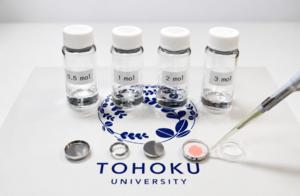
Now, researchers from Tohoku University's Institute for Materials Research (IMR) have identified a key factor that could help overcome this challenge. Rather than simply increasing the amount of lithium salt in the electrolyte, the team discovered that there is an optimal concentration that allows lithium to deposit evenly while forming a stronger protective layer on the battery's surface.
Details of their discovery was published in ACS Electrochemistry on June 29, 2026.
Electrolytes carry lithium ions between a battery's electrodes during charging and discharging. Scientists have often focused on highly concentrated electrolytes because they can suppress dendrite formation. However, why some electrolytes perform better than others has remained unclear.