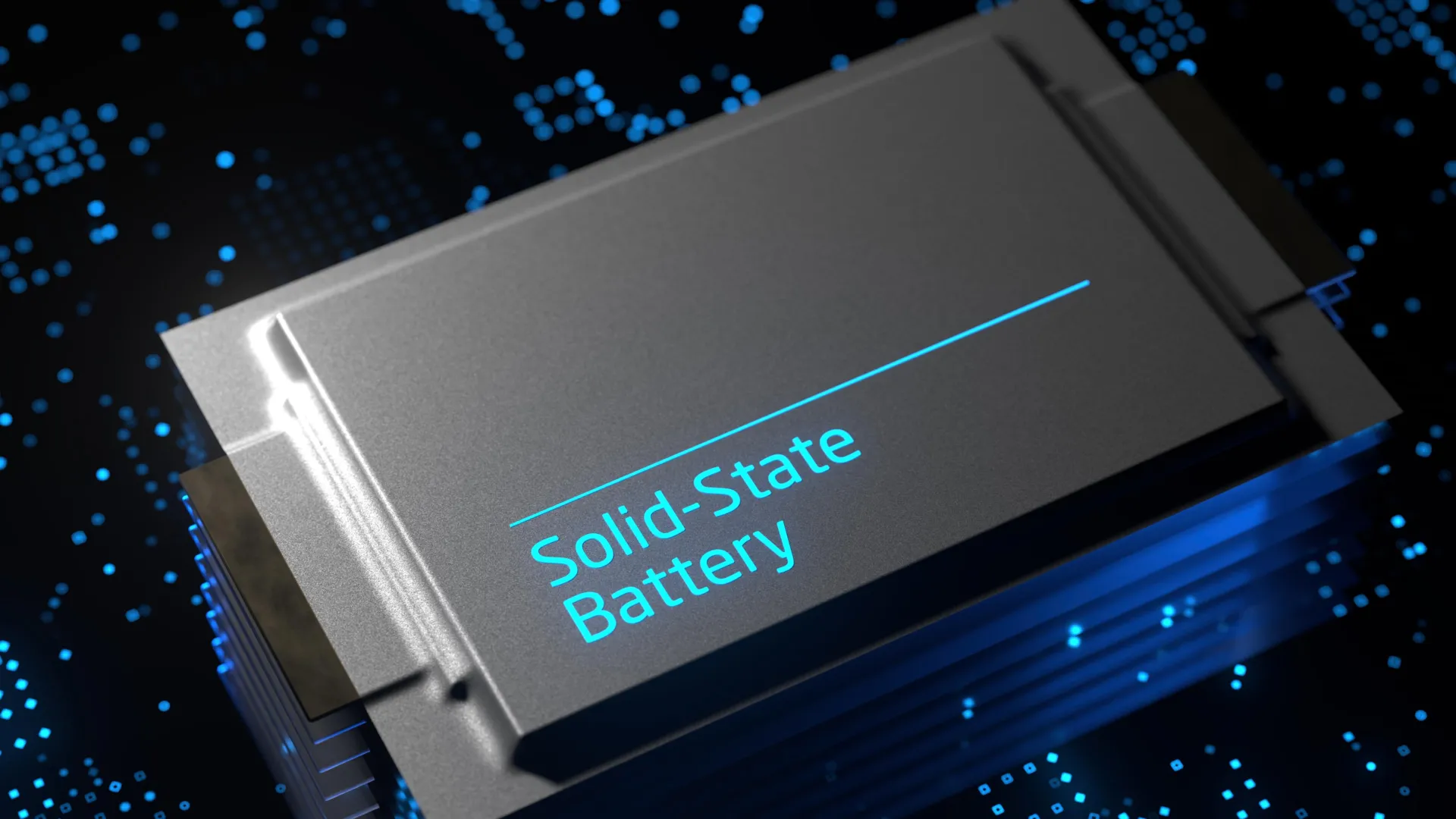
Smartphones, electric vehicles, and countless portable electronics all depend on batteries. As demand for better energy storage grows, improvements in battery capacity, lifespan, and safety will play a major role in the future of electrification. One of the most promising technologies is the solid-state battery, which could allow smartphones to operate for several days on a single charge and give electric vehicles driving ranges up to three times greater than many current models.
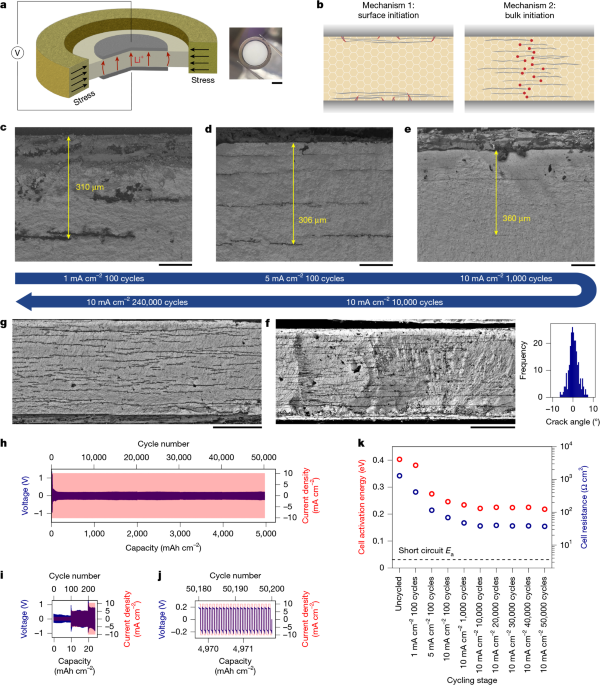
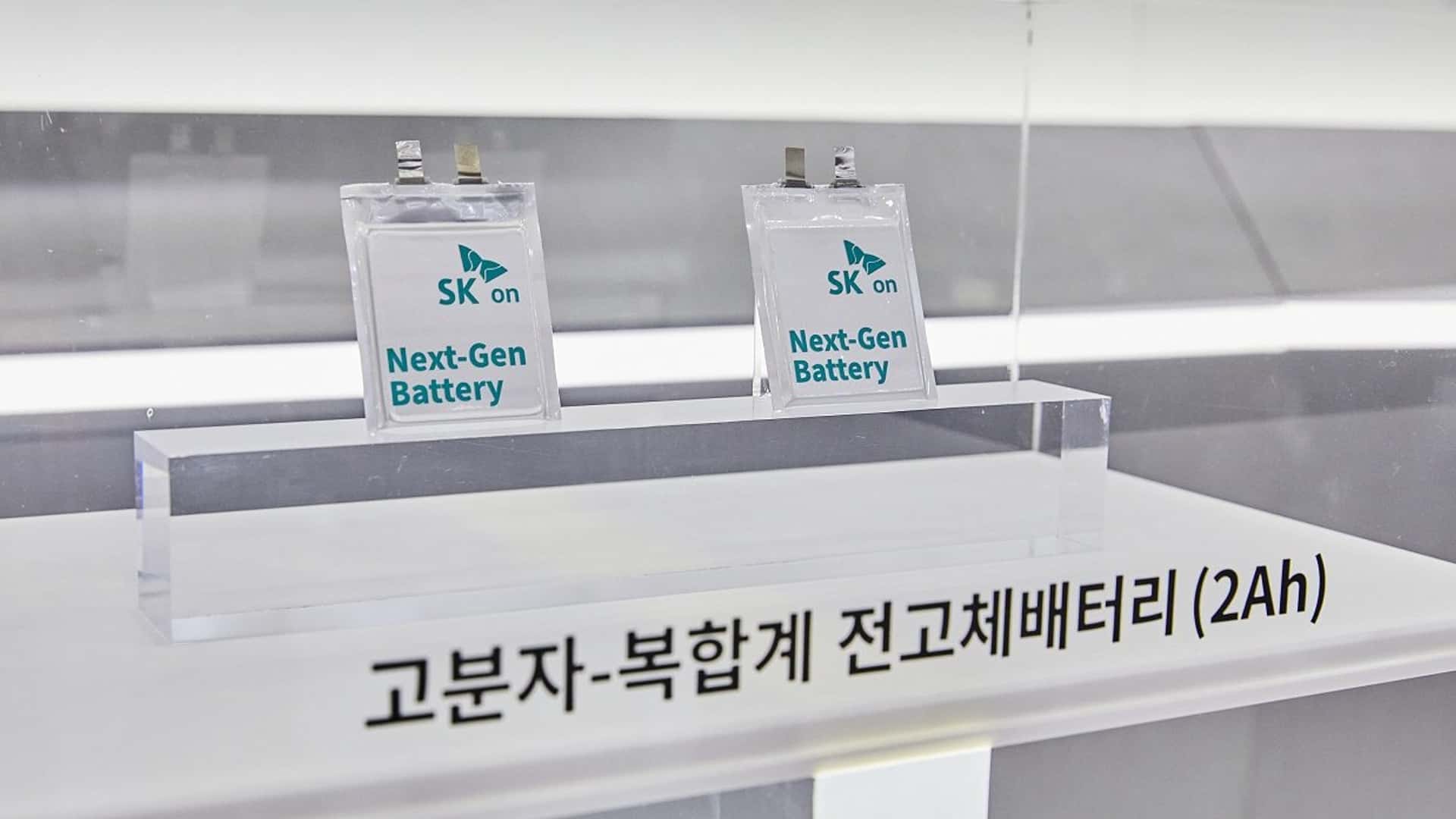
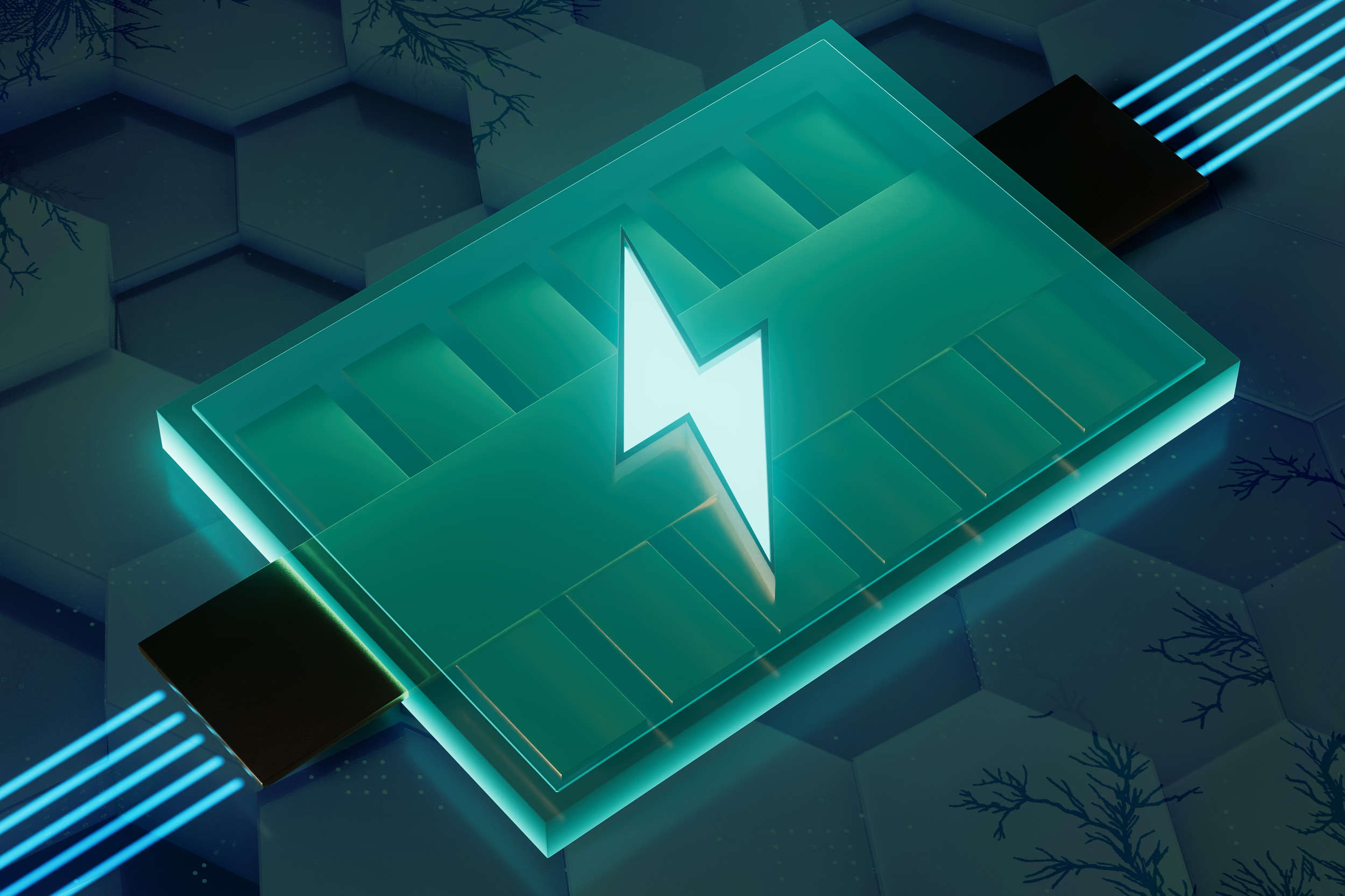
Unlike conventional lithium-ion batteries, which use a liquid electrolyte between two solid electrodes, solid-state batteries replace the liquid with a solid electrolyte. This design offers several potential advantages, including higher energy density, improved safety, and longer battery life. But one stubborn problem has slowed commercial adoption. During charging, tiny tree-like structures called dendrites can grow from the lithium anode, pierce the solid electrolyte, and create internal short circuits.
Now, an interdisciplinary team at the Max Planck Institute for Sustainable Materials (MPI-SusMat) has identified exactly how these dendrites trigger fractures that ultimately lead to battery failure. Their findings were published in the journal Nature.