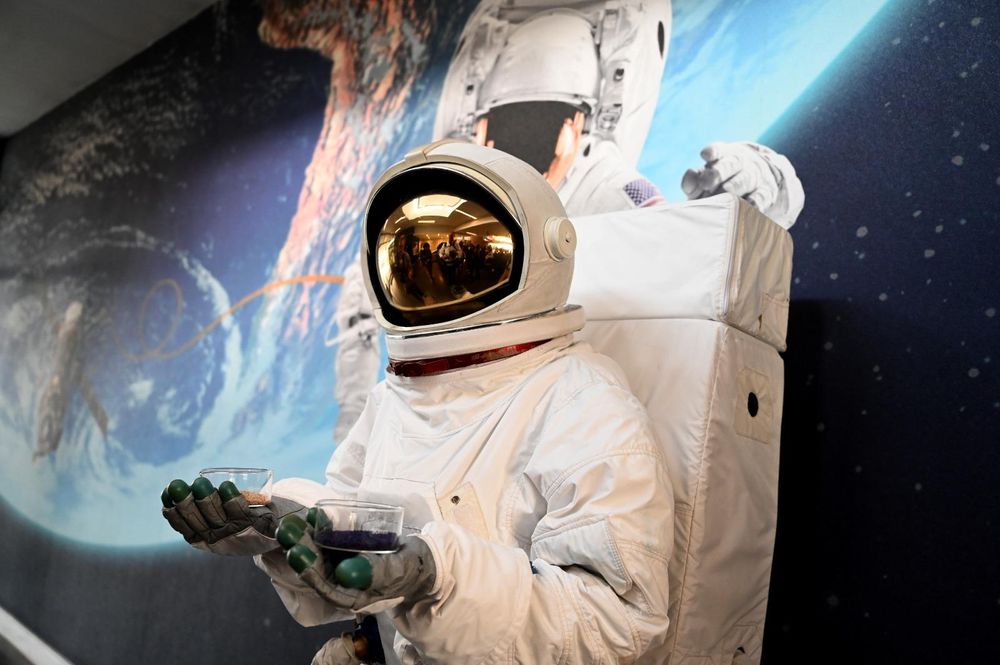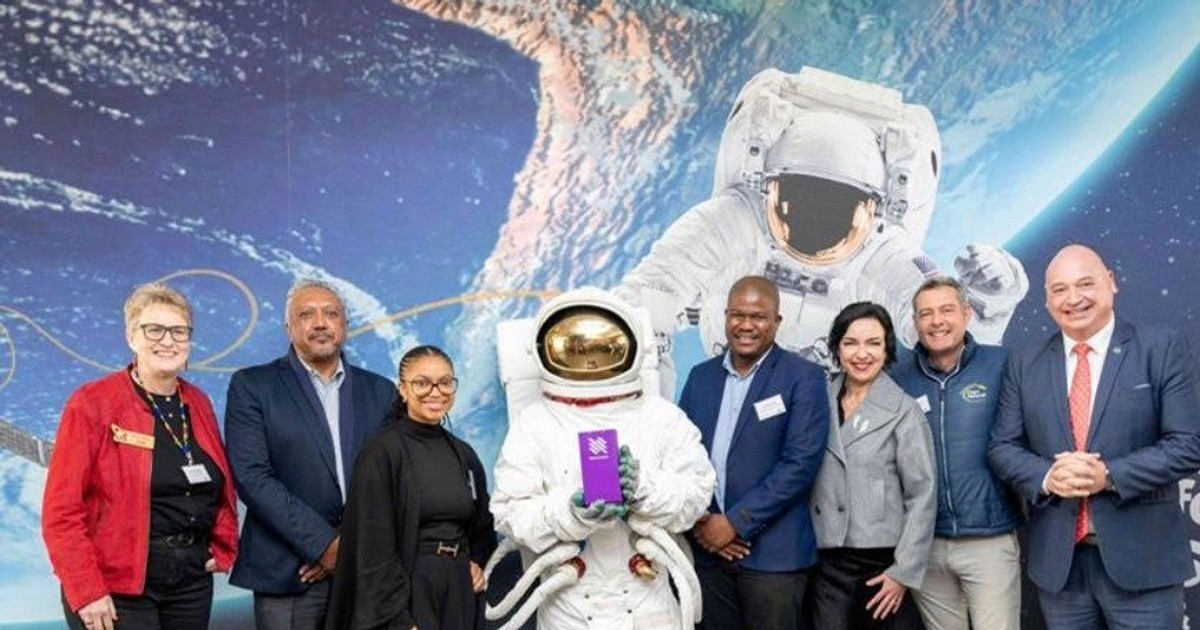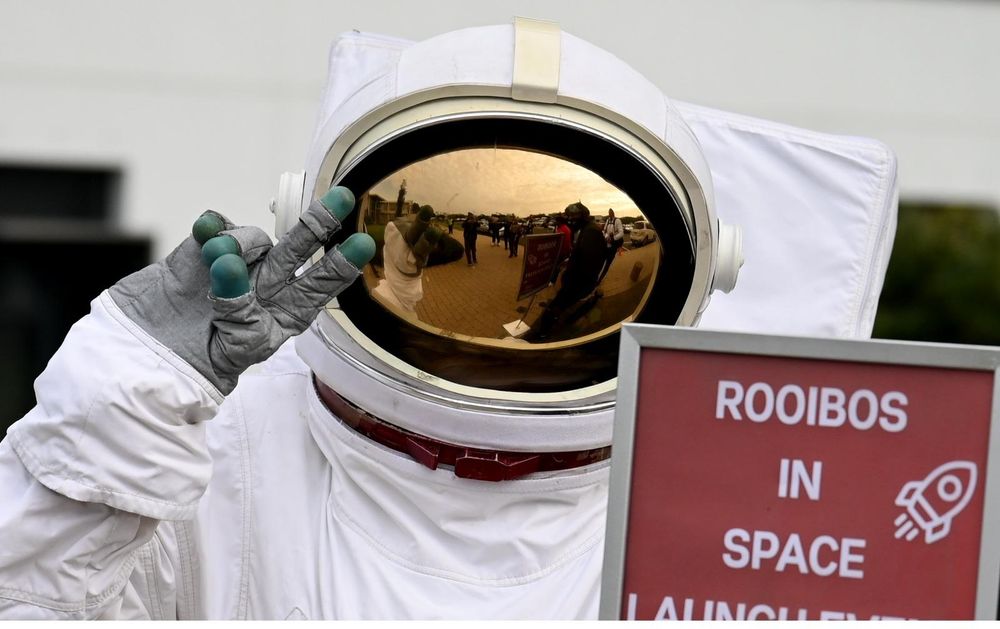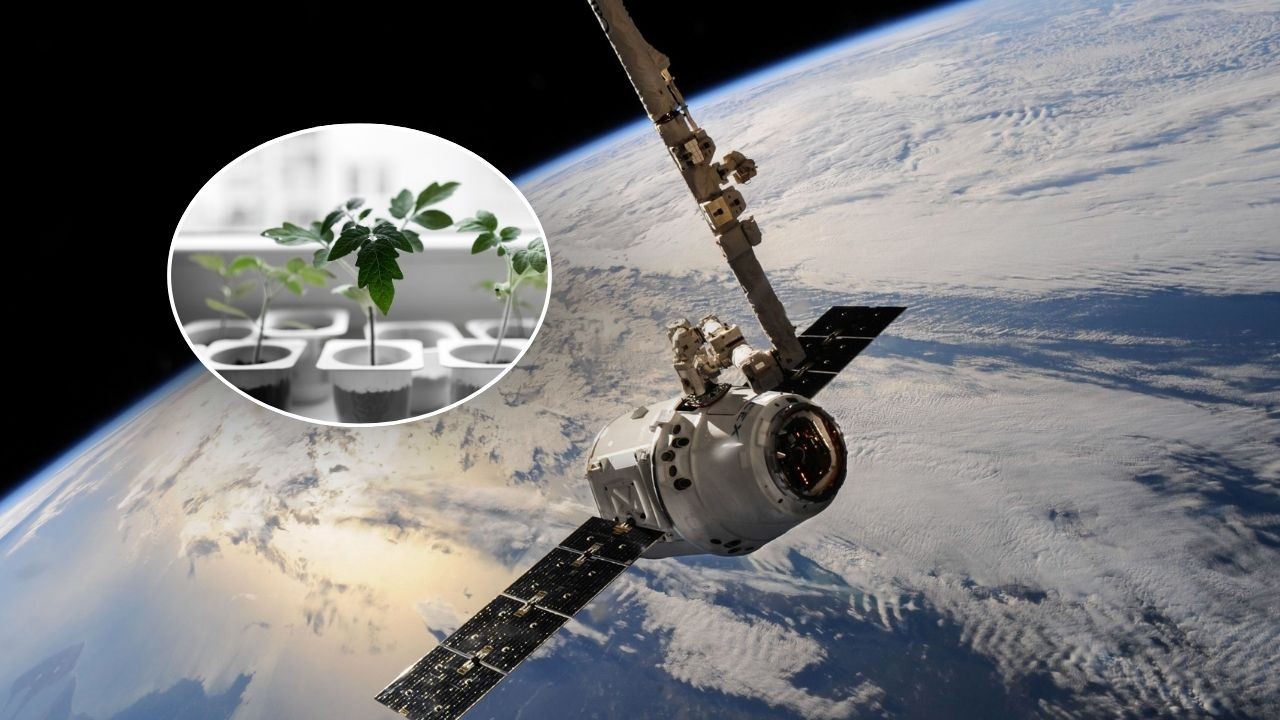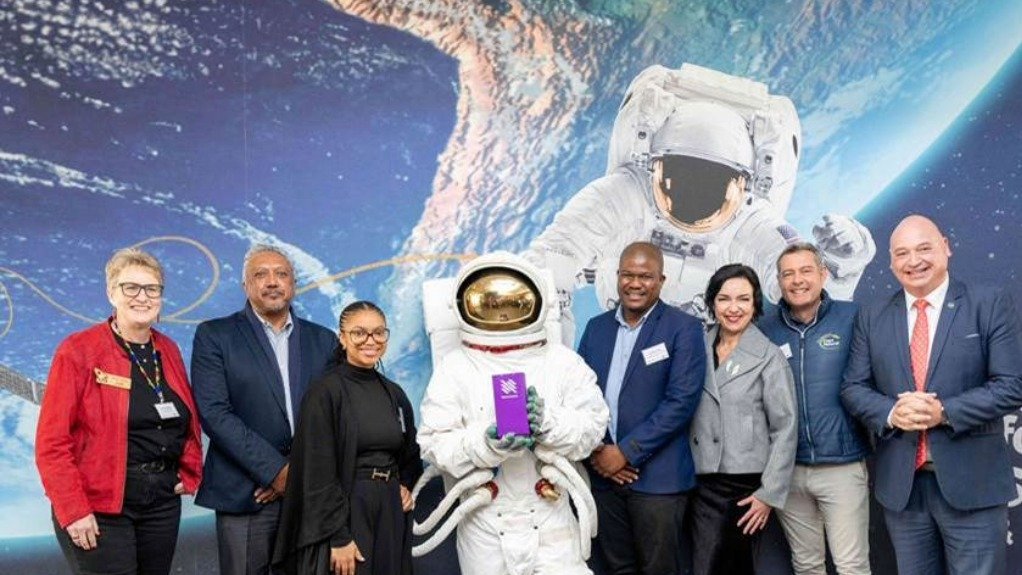
In an initiative developed by the South African Rooibos Council (SARC), which is the representative and promotion body for rooibos processors, packers and brand owners, seeds from the rooibos plant will be sent into space, to the International Space Station (ISS), in October. The seeds will be housed in a “nanolab” during the mission, which will last several weeks, before they return to Earth. The initiative has been dubbed Rooibos in Space.
The intent is to stimulate science, technology, engineering and maths (STEM) education in the Cederberg region – the rooibos heartland – of the Western Cape province. The initiative is being delivered in collaboration with South African space STEM education company MaxIQ Space, and is supported by the South African National Space Agency (SANSA).
“Rooibos has long been part of South Africa’s agricultural heritage,” highlighted SARC director Dawie de Villiers. “This project places it within a broader scientific context, where plant biology, space research and education intersect. It also reflects the importance of investing in scientific literacy and skills development for the next generation of researchers and innovators.”
This initiative fitted within an international trend of research into plant biology in space, and, indeed, on the development of sustainable agricultural systems off Earth. In addition to sending seeds into space, to develop under microgravity and space radiation, there will be a parallel, Earth-bound control batch of seeds. When the space seeds return to South Africa, they will be planted alongside these control seeds and the two batches will be subject to a comparative study, focusing on germination, growth, yield and resilience.