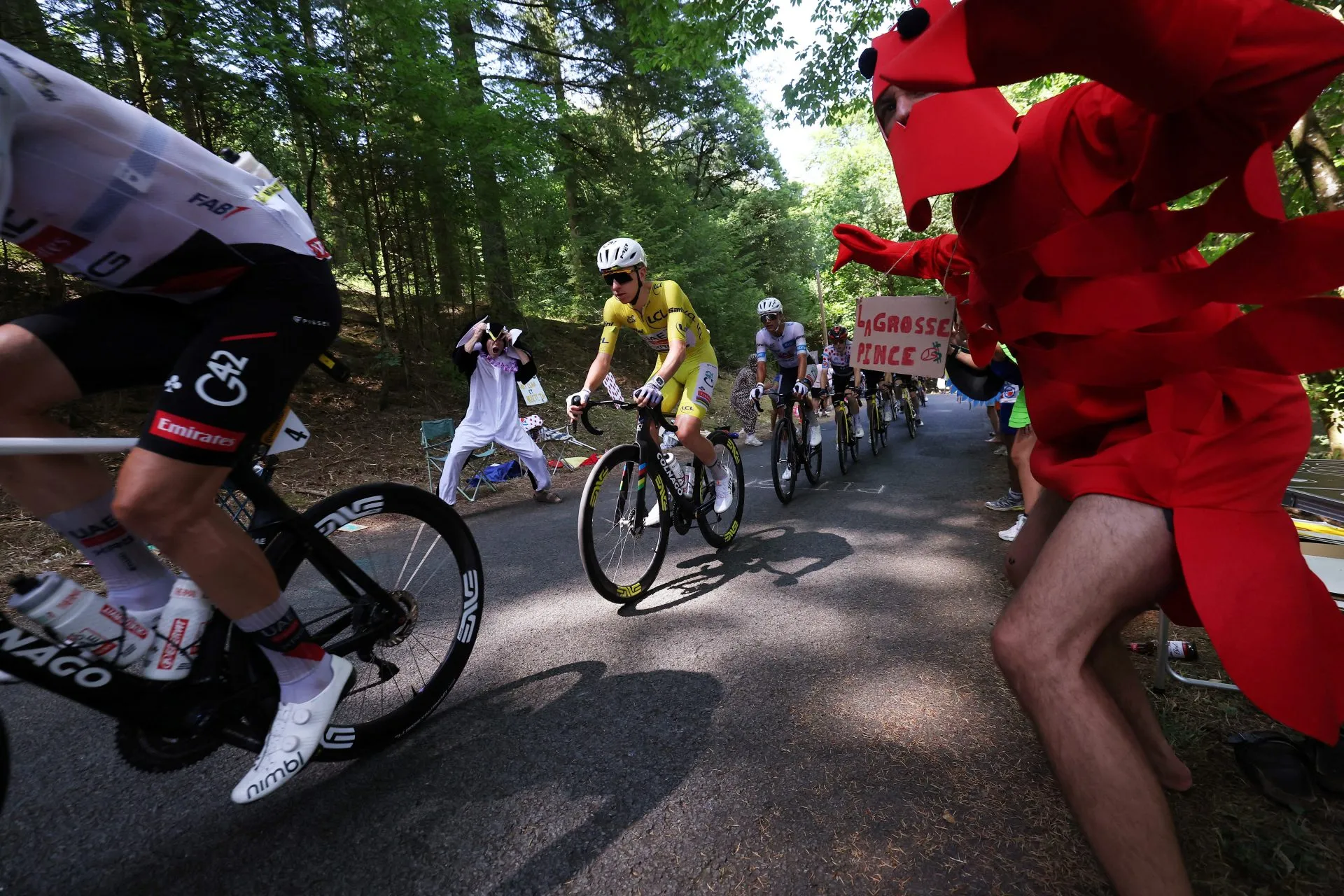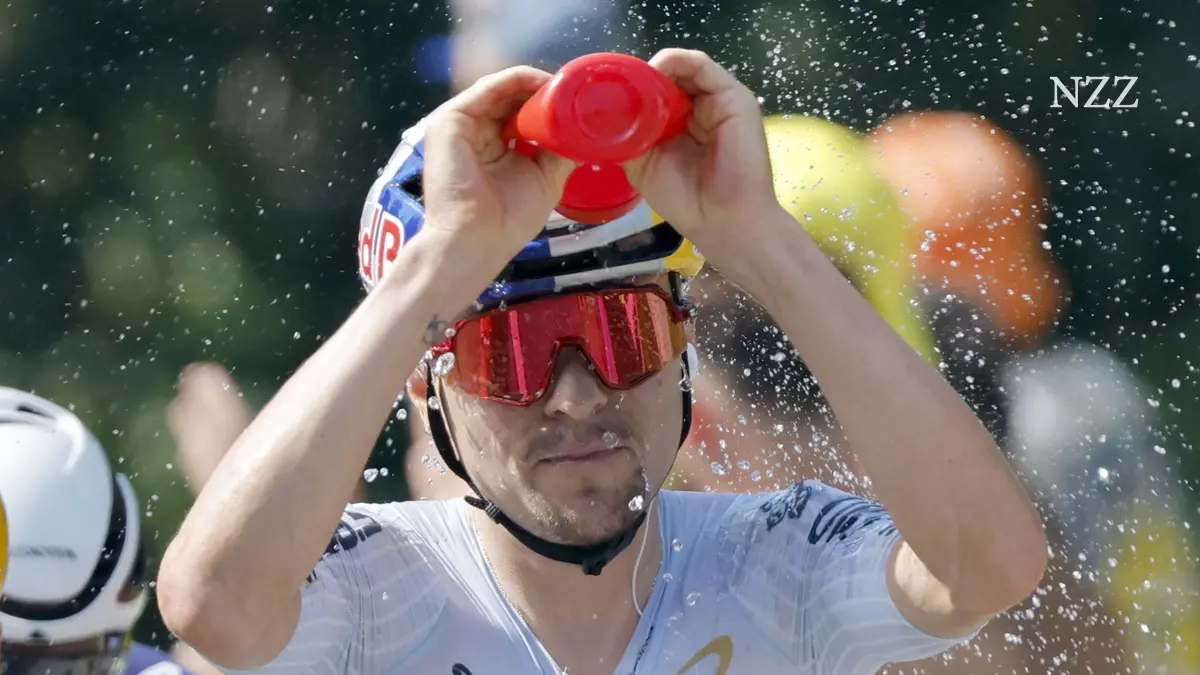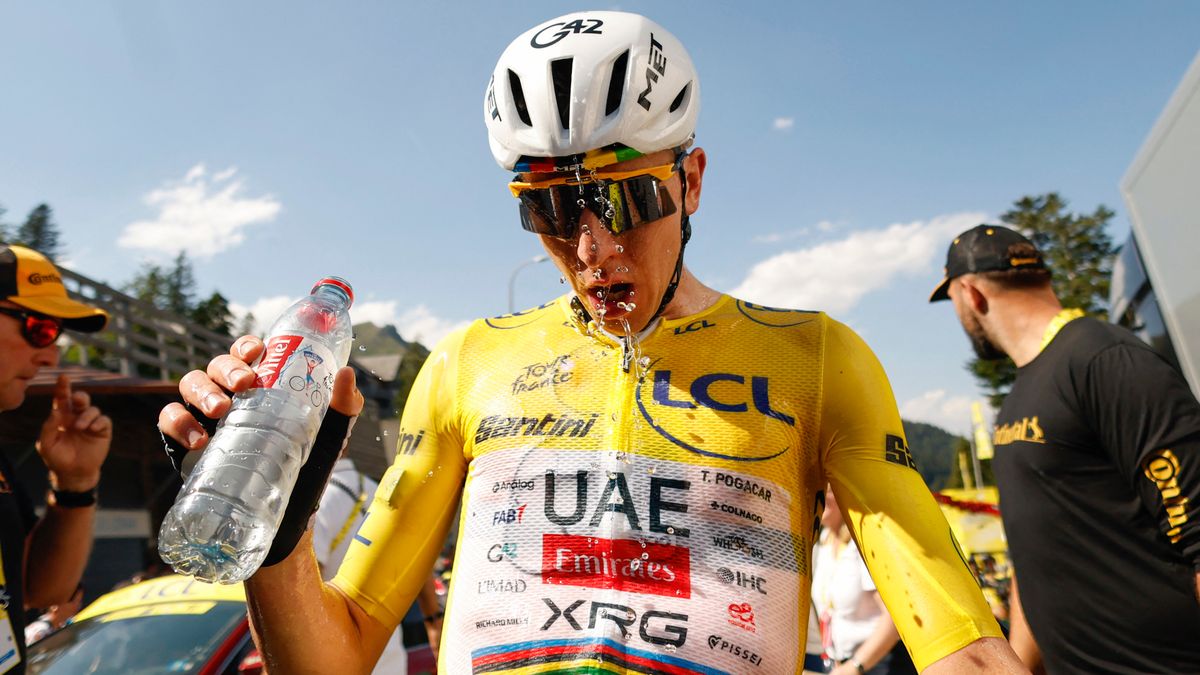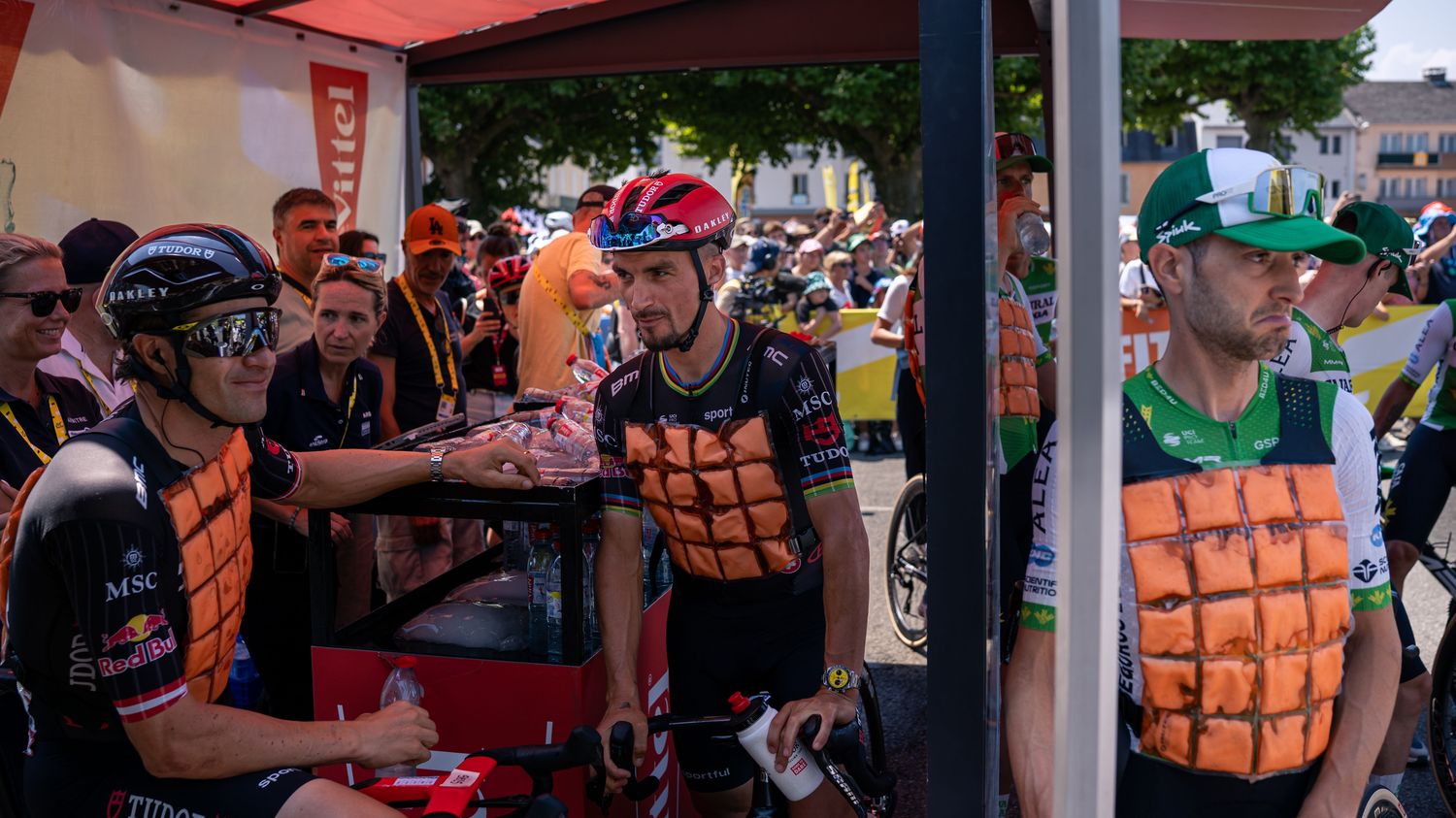
Extreme heat now challenges endurance athletes during major competitions like the Tour de France. Image Credit: Tour de FranceExtreme heat in Europe is not only a challenge for spectators anymore. It affects how top-level endurance athletes get ready to perform at their best. The 2026 Tour de France has been one of the hottest editions in recent years, with riders facing temperatures close to 40°C and organisers shortening a stage because of extreme heat. Due to temperatures reaching up to 40°C in some areas of France, cyclists were dousing themselves with water, filling their jerseys and helmets with ice, and fighting against the humidity. On July 12, the Tour de France reduced the distance of one of its stages due to soaring heat. As the temperature rose to 40°C, the cyclists were putting ice in their jerseys in an effort to cool down, according to New Scientist.Despite how much the heat challenged cyclists during the competition, one team managed to do really well. The Norwegian-Danish team Uno-X Mobility performed well despite being based in a generally cold region of Europe.How heat has emerged as one of the key problems in the world of sportsScientists have warned for years about climate change increasing the frequency and severity of extreme heat. According to the World Meteorological Organization (WMO), Europe is the fastest-warming continent, with the impacts of climate change becoming increasingly evident.For endurance athletes, heat is far more than an inconvenience. According to a review published in The Journal of Physiology, exercising in the heat places additional strain on the cardiovascular system because the body must increase skin blood flow to dissipate heat while continuing to deliver oxygen-rich blood to working muscles. This issue is increasingly visible in top-level competitions such as the Tour de France.Scientists warn climate change increases heat event frequency and severity across Europe. Norwegian coaches employ controlled heat exposure to help athletes adapt their bodies. Image Credit: Tour de France Heat training is gaining traction among Norway’s endurance coachesSpeaking to New Scientist, Uno-X Mobility coach Olav Aleksander Bu said heat adaptation has become a central part of training for endurance athletes. Bu is among the pioneers of the Norwegian method, which relies on close monitoring of athletes' physiological responses during training. In the past, coaches tracked this by frequently measuring blood lactate with finger-prick tests.Recently, Bu added CORE sensors to measure athletes' core body temperature during heat exposure. Instead of avoiding heat, the athletes are exposed to short, controlled doses that may help the body adapt. This approach may improve performance in hot competition conditions.How the body adapts to extreme heatSports science suggests that heat adaptations can be measured. Research suggests that one to two weeks of repeated heat exposure can trigger physiological changes such as earlier sweating, a higher sweat rate, increased blood plasma volume, a lower heart rate during exercise, and better thermal regulation.These adaptations may allow athletes to perform high-intensity exercise with less cardiovascular strain. Heat acclimatisation may help reduce the risk of heat disorders and support performance in hot weather.Cooling is not always the main goalA notable element of Bu’s method is the limited cooling between training sessions. As New Scientist reported, athletes are advised to avoid air conditioning and cold beverages right after heat workouts so the adaptation process can continue.That does not mean heat safety is overlooked in sports. On race day, athletes depend largely on cooling techniques such as wearing an ice vest prior to the start of the race, using cold towels, wetting the body with water, and drinking plenty of fluids. The difference is that athletes expose themselves to heat during training so they are better prepared on race day. Sports scientists refer to this as achieving a careful balance between adaptation and safety.Climate change adaptation could hold the key to endurance sportsIt’s not the only sport that will face issues due to climate change. Given warnings from the IOC, organisers of international sporting competitions will likely need to account for rising temperatures when planning events, and athletes will need extra time to prepare for the heat.With the rise in average temperatures across the globe due to climate change, techniques that were previously applicable only to desert ultramarathons or tropical sporting events are becoming relevant even in Europe. As a result, the 2026 Tour de France could be influenced by heat preparation as much as by racing itself.Instead of treating heat as a rare and unpredictable factor, coaches are beginning to treat it as part of training. Heat tolerance is becoming as important as endurance or muscle development for teams preparing for hotter races.
The hottest Tour de France in 123 years is changing how elite athletes train for extreme heat, and Norway’s endurance coaches are leading the adjustment
Extreme heat in Europe is not only a challenge for spectators anymore. It affects how top-level endurance athletes get ready to perform at their best.
765 words~3 min read