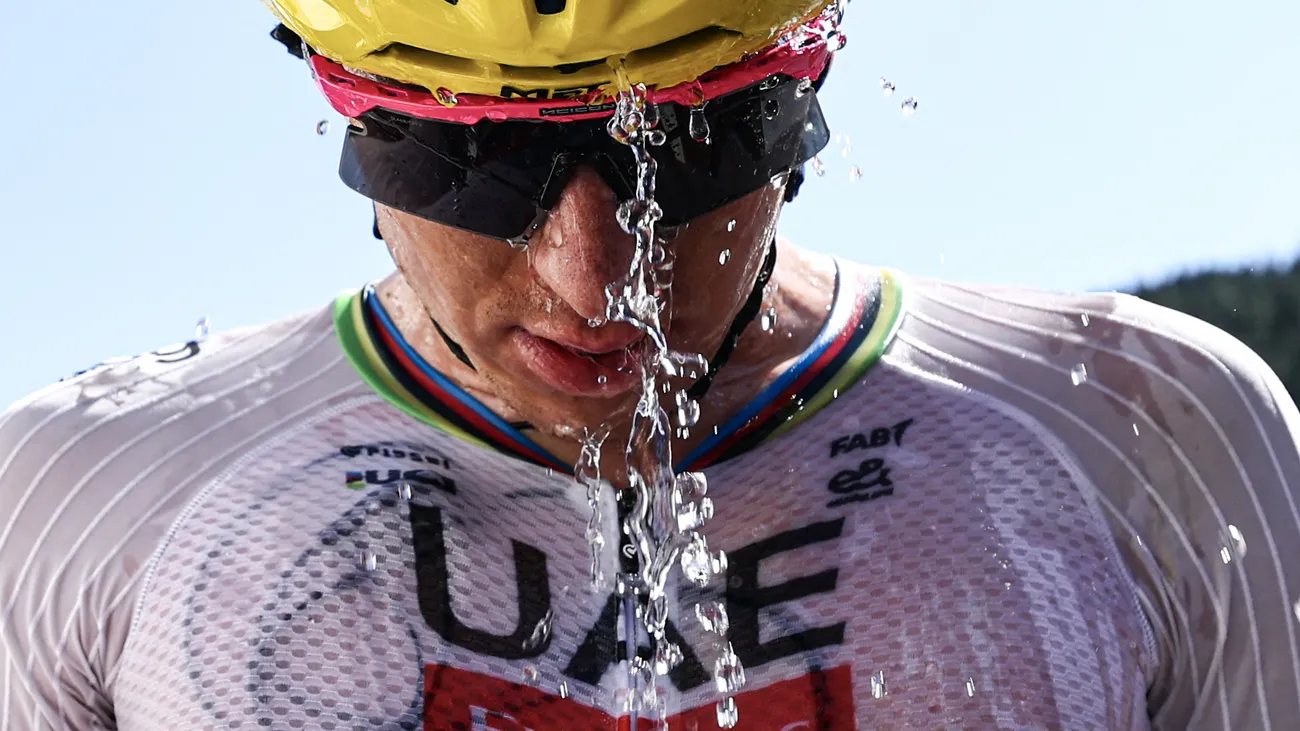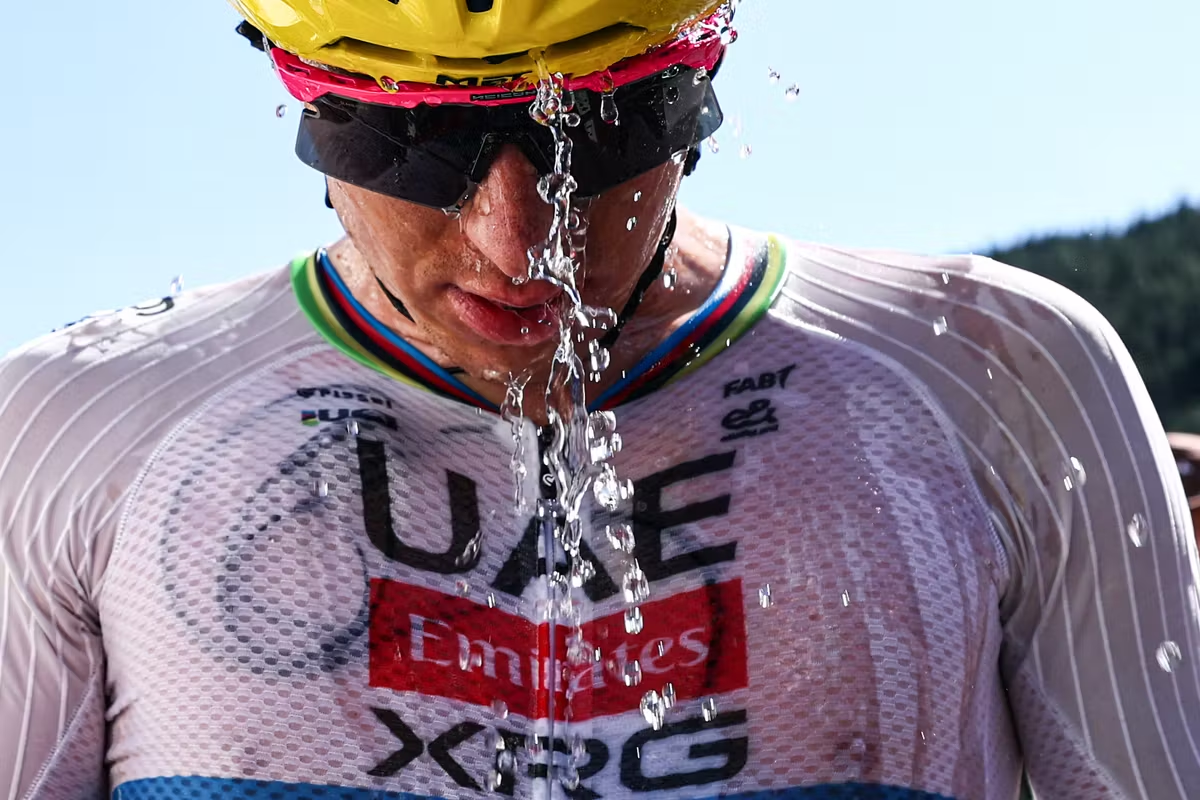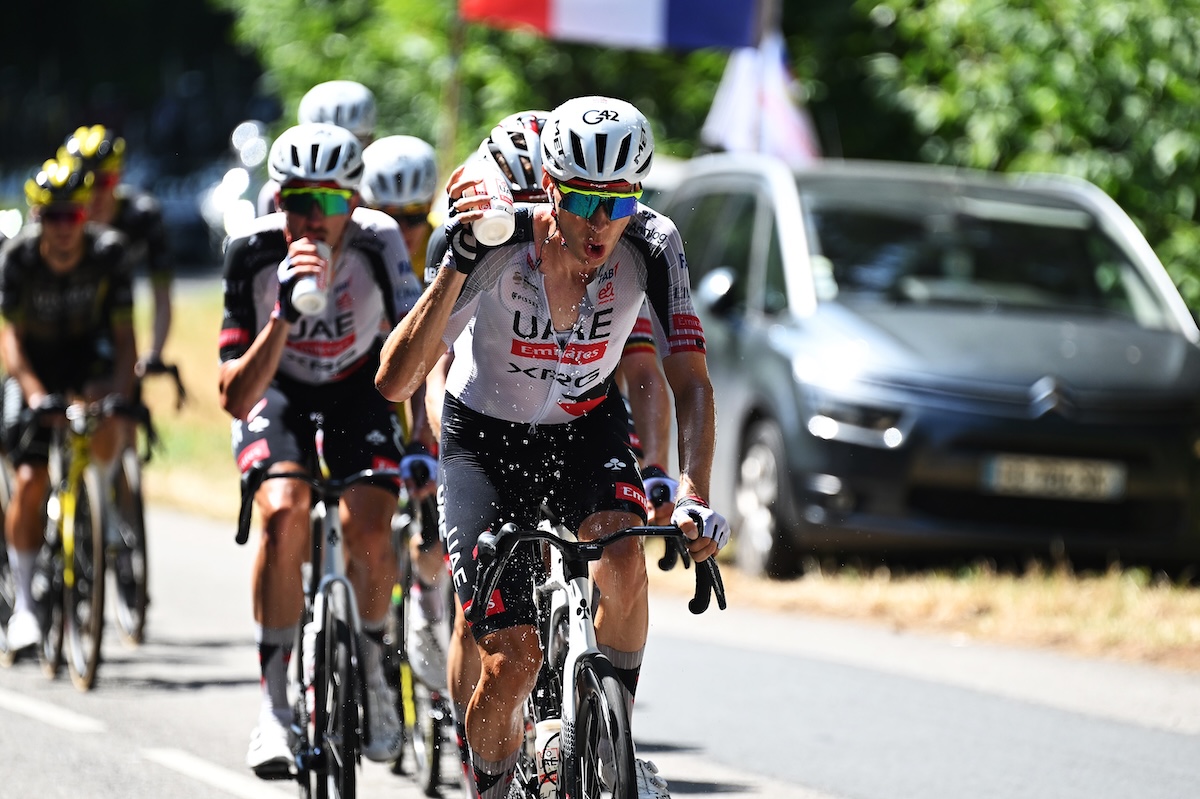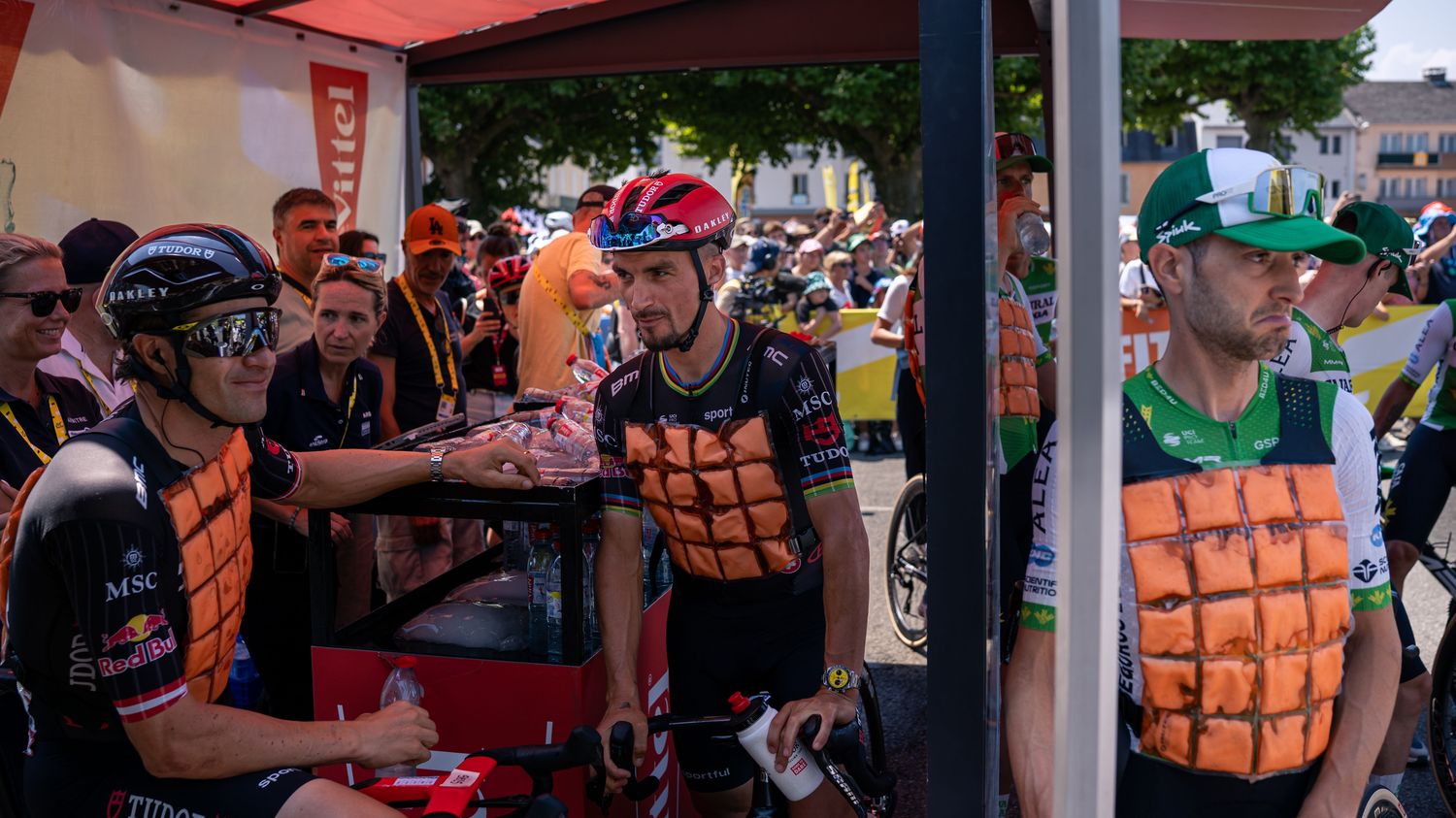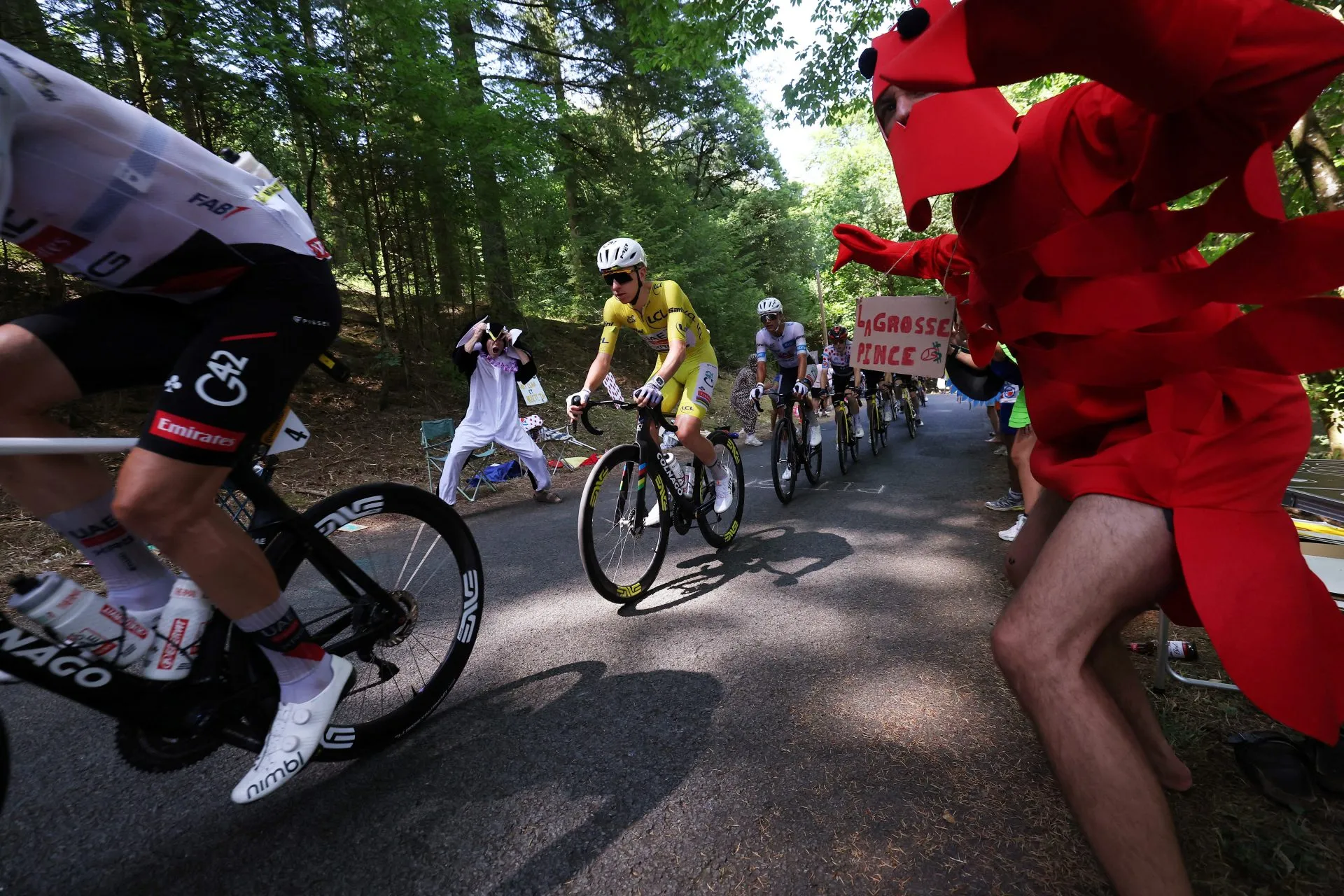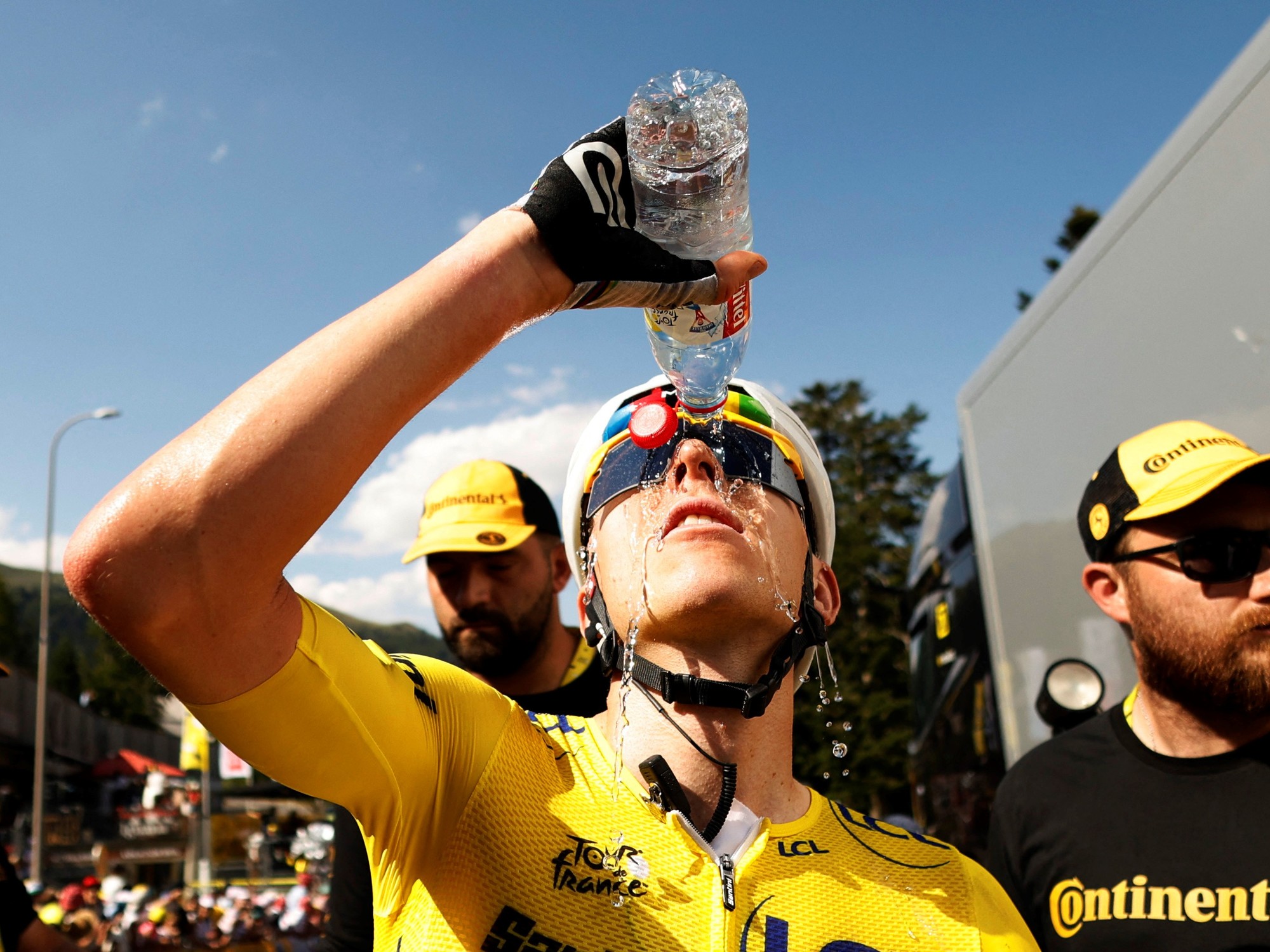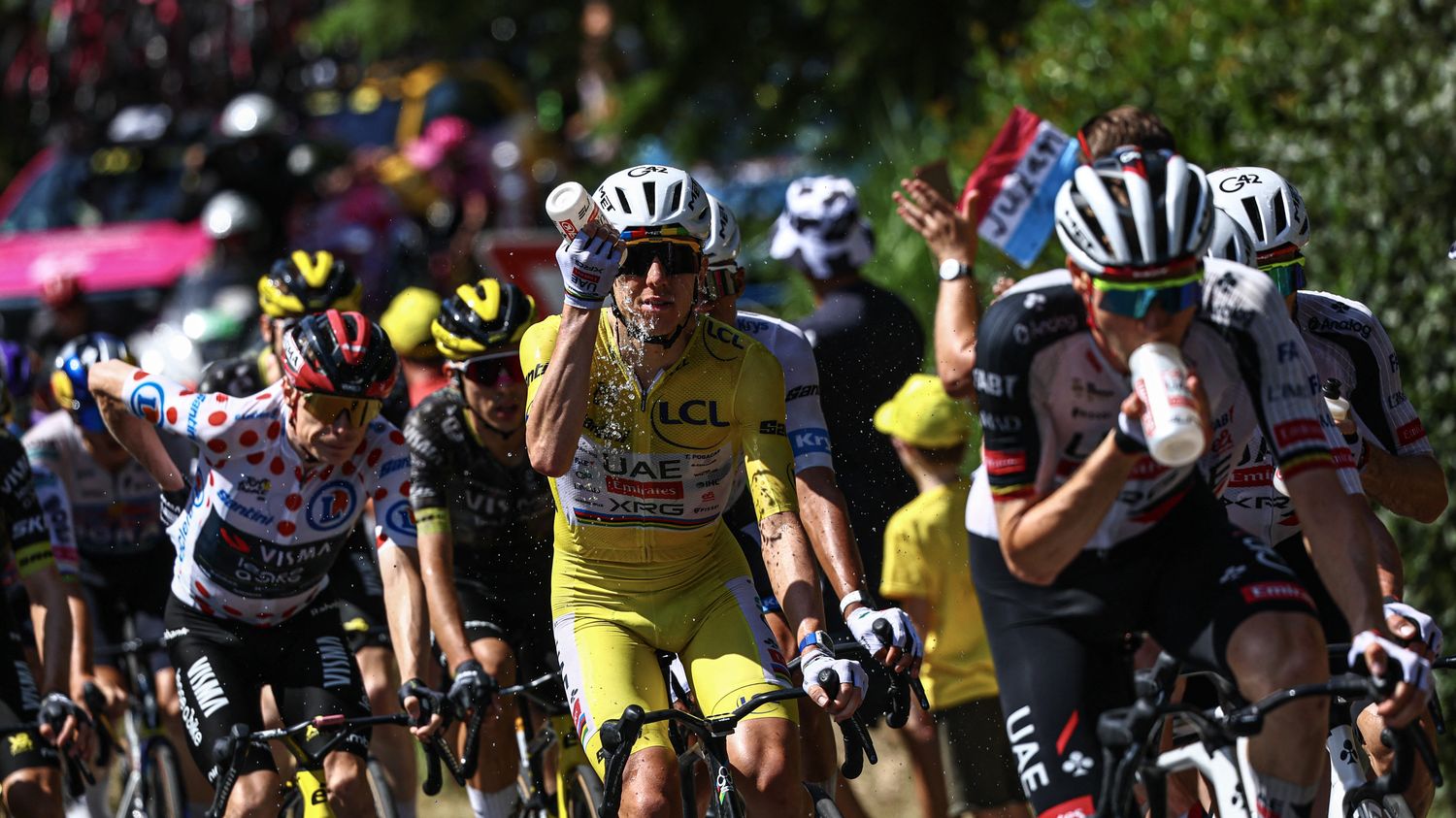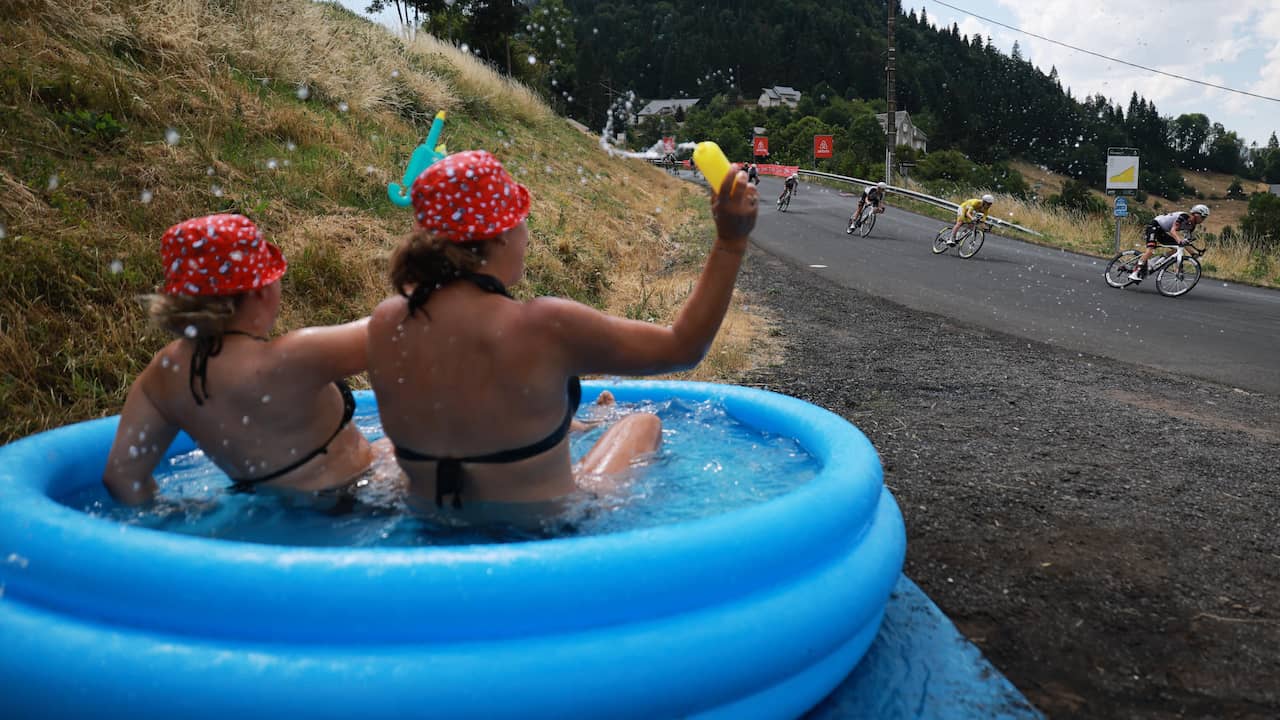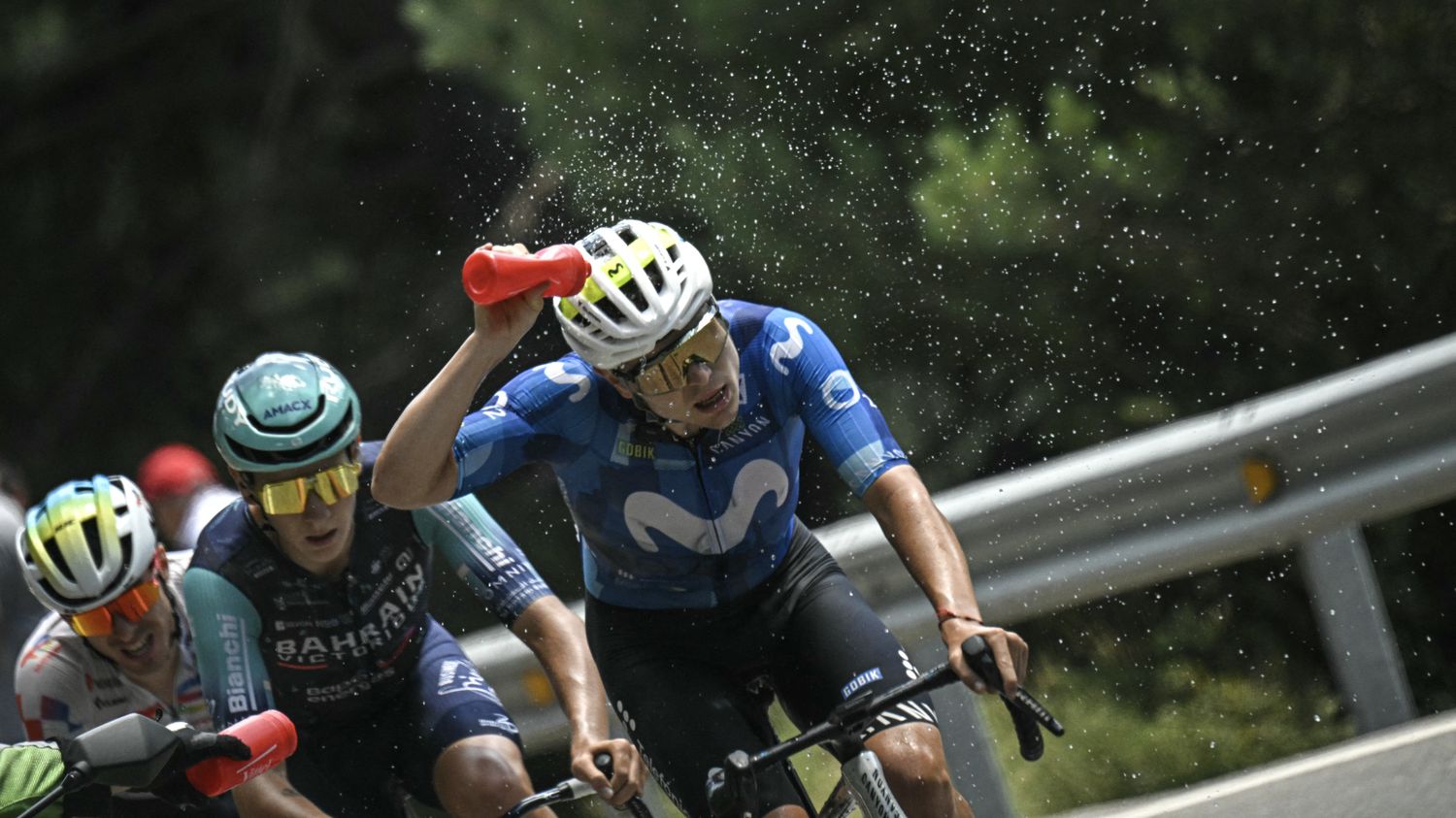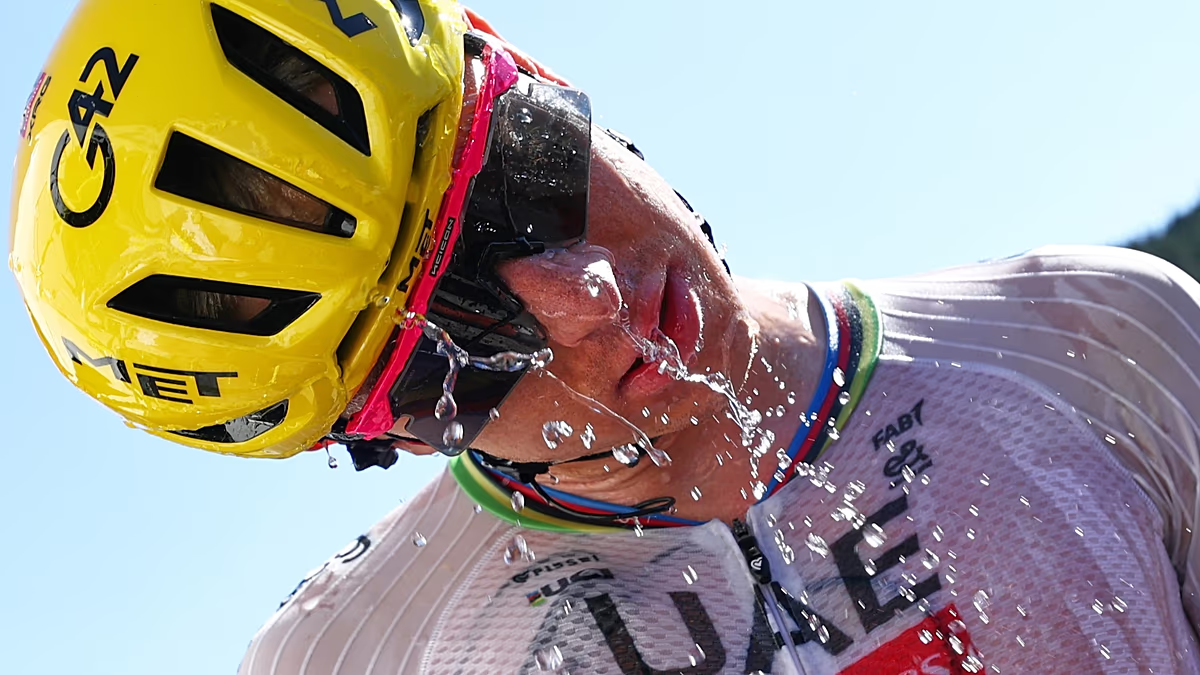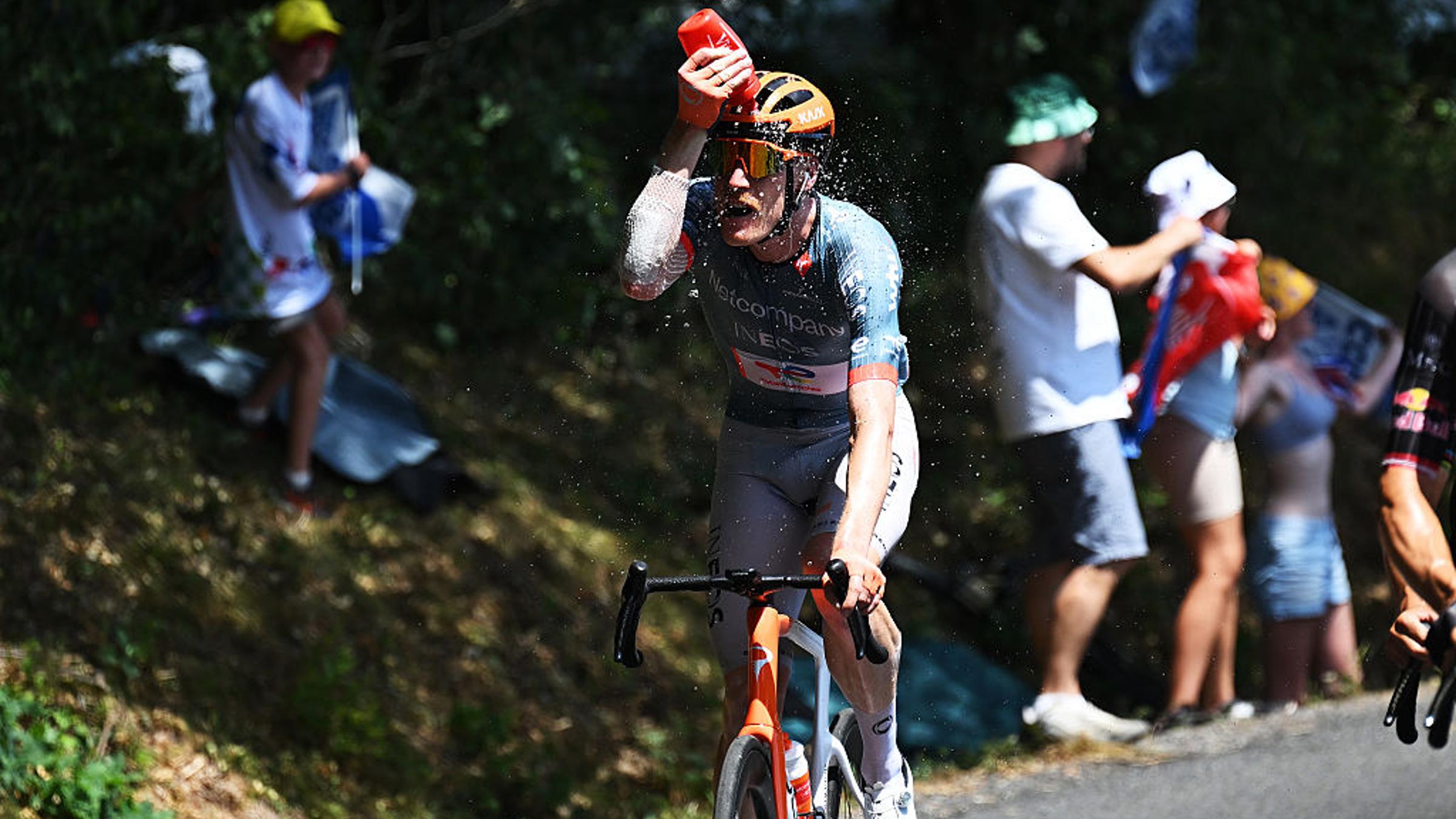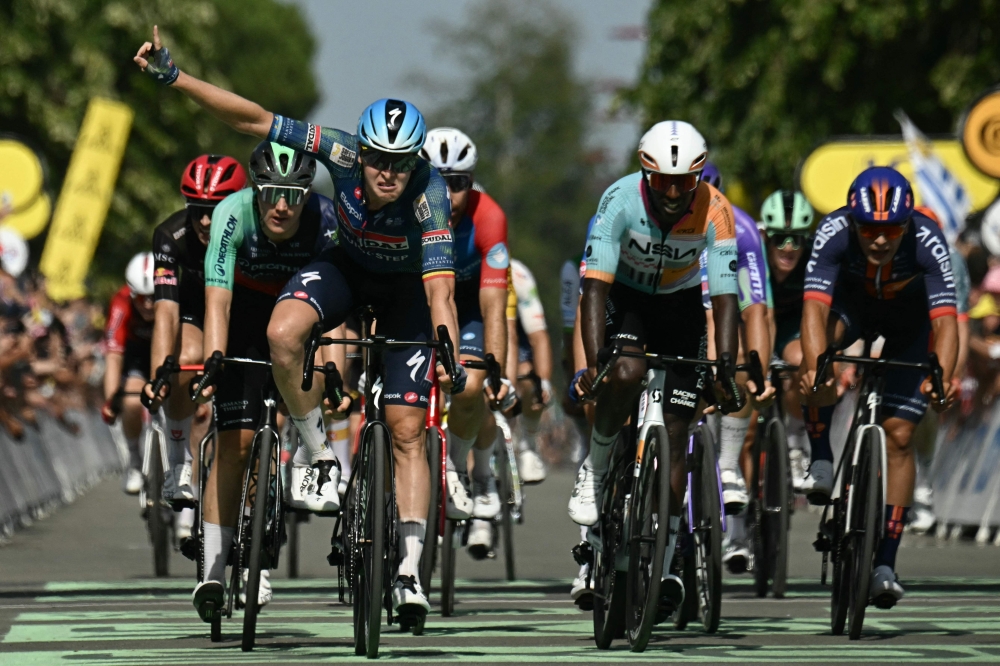
In the midst of a heatwave the job of keeping riders cool and hydrated has become the main issue facing every team—far more so than race tactics.— AFP pic First Published: Tuesday, 14 Jul 2026 9:00 PM MYT AURILLAC, July 14 — Since the Tour de France began in Barcelona 10 days ago, there has almost been more talk about the extreme heat than the race itself.Despite the mercury never having dipped below 30C—and often having gone over 40C—since the start of the race, the riders themselves have been coping admirably.A variety of cooling and hydration methods have been in evidence such as ice vests, ice socks and even cooling mattresses—but more often than not, it involves a rider just emptying a bottle of water over their head.In the midst of a heatwave the job of keeping riders cool and hydrated has become the main issue facing every team—far more so than race tactics.“They say: the good generals talk about strategy and the great ones talk about logistics, right?” EF Education-Easy Post head sports director Charly Wegelius told AFP.“It’s a massive logistical challenge to try to keep the riders cool with all of the constraints there are, to get them ice, to get the ice, to get it through to them, to try and keep them cool.“But every team, and even the organisers, everyone’s trying to do what they can.”So far, what has been remarkable, is that there have been practically no complaints from riders themselves.“It’s the same for everyone, all riders were prepared for this, we do a lot of training in heat,” French debutant Nicolas Breuillard, who finished eighth in Sunday’s ninth stage, told AFP.Teams have been focused on cooling strategies for a long time.“Heat in itself isn’t a new thing at the Tour, and we’ve been working on it for years to take steps to manage it for them,” added Wegelius.“They have cooled mattresses that they sleep on, cooling techniques after the stage, all kinds of stuff going on.”EF Education have been using special mattresses to help keep their riders cool at night, which has the added benefit of meaning that they can sleep in their hotel rooms without the air-conditioning turned on.The mattress temperature is controlled by passing cool water through thin internal tubes.“This mattress follows the rider’s body temperature, and looks for the optimum, and then warms it up to wake them up in the morning,” said Wegelius.“It helps with sleep quality, even in less extreme circumstances.“And obviously when that’s cooled like that, they don’t have to breathe the dry, air-conditioned air afterwards.”Such a demanding effortThe scale of the whole Tour operation is quite staggering.Tour director Christian Prudhomme revealed last week that organisers ASO give out 450kg of ice per day to the teams.They have also extended the feeding window to include the whole stage apart from the first and last 10km.French team Cofidis revealed that they prepare 150 water bottles, more than half of which were ice-filled, for a single stage.They also prepare 60kg of ice, most of which is used in the so-called ice socks that riders stuff down the back of their jerseys to keep cool while riding.Cofidis said that they had used 1,700 water bottles over the first nine stages for their eight-man team.According to Australian rider Luke Durbridge, there are some riders in the peloton whose main job is simply to go back and forth to their team cars to fetch water bottles for their team-mates.“Purely because it’s such a demanding effort, you’ll never see them do anything during the race rather than just do that,” the 35-year-old Jayco AlUla rider told AFP.“But that’s actually the difference between the GC (general classification) guy or the guy winning the stage.“If they don’t have a cold bottle over their head, then they’re overcooked and they’re out of the race.”And all this while “the race is still kicking on”.The whole Tour operation does not just concern itself with the riders, either.Prudhomme said that ASO hands out 2.5 million bob hats and caps to fans along the roads during the three-week race, as well as 550,000 drink cans and 400,000 litres of water. — AFP
Inside the Tour de France's battle against the heat
AURILLAC, July 14 — Since the Tour de France began in Barcelona 10 days ago, there has almost been more talk about the extreme heat than the race itself.Despite the mercury...
691 words~3 min read