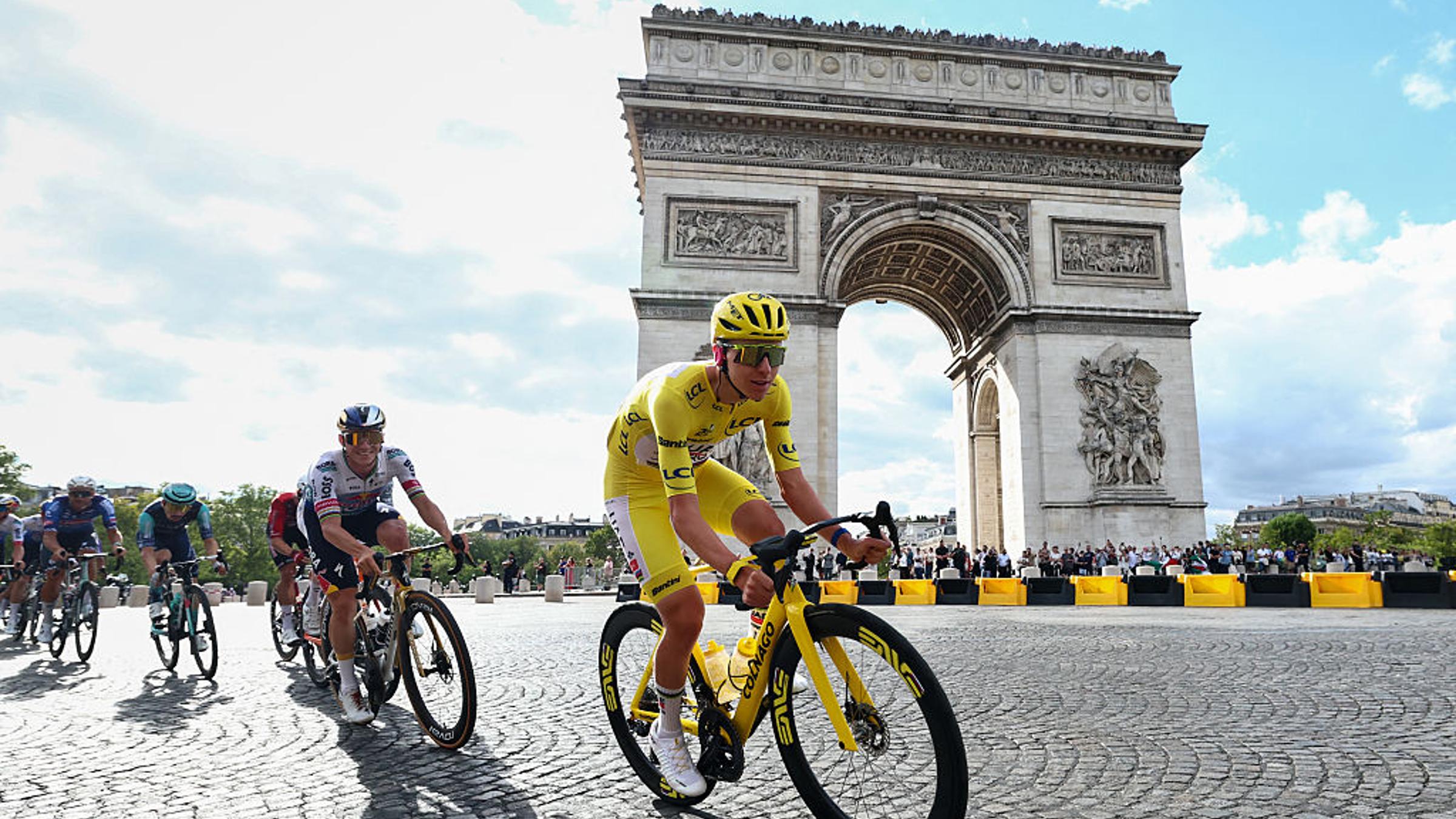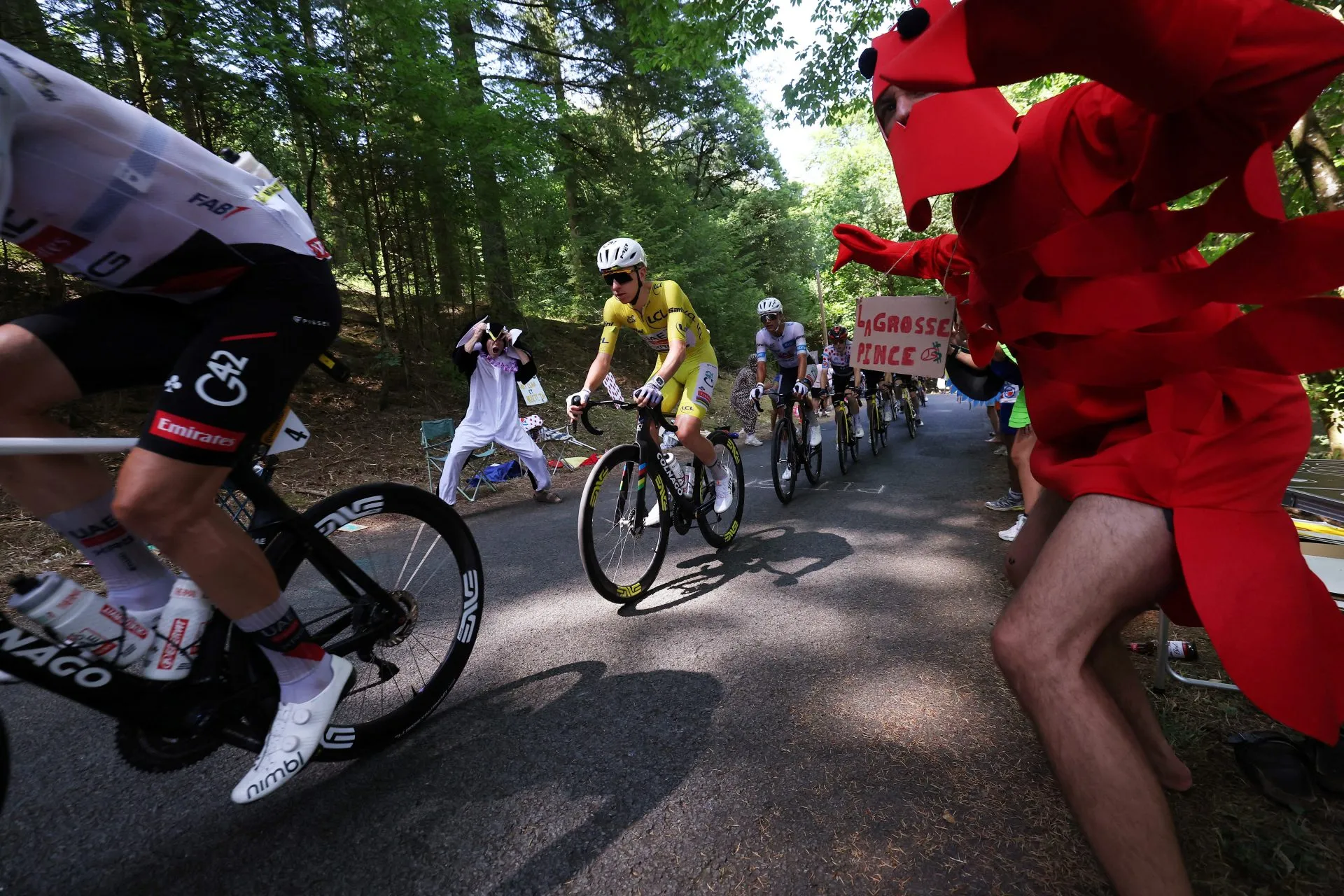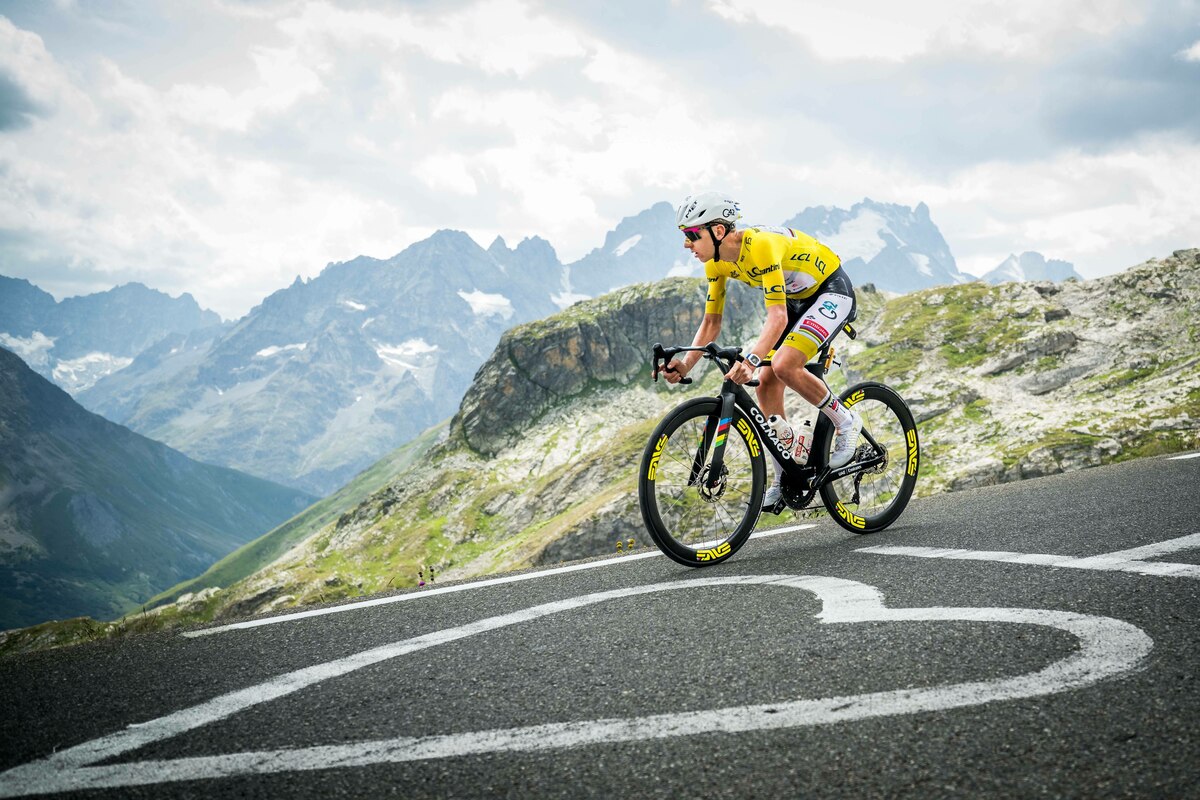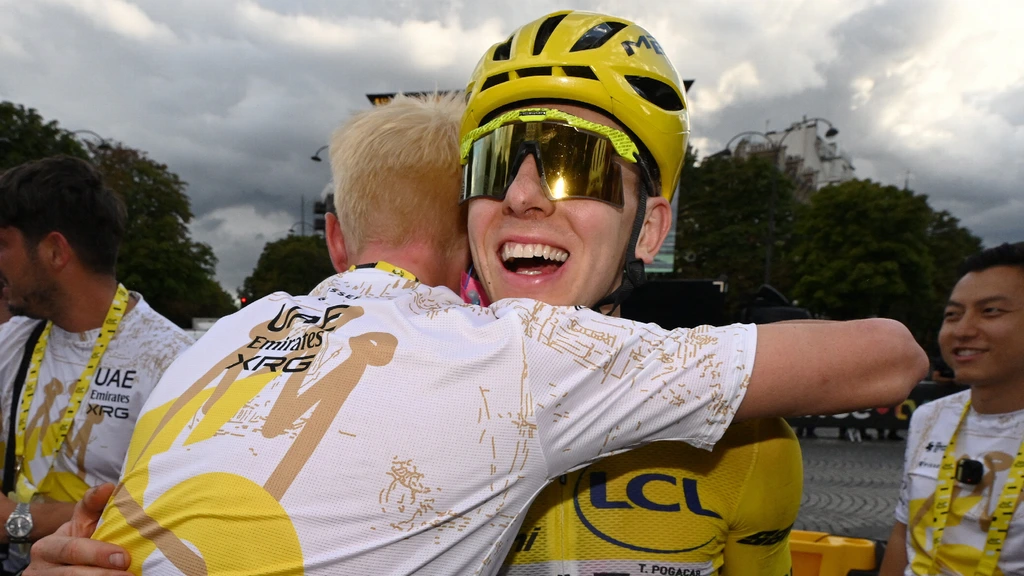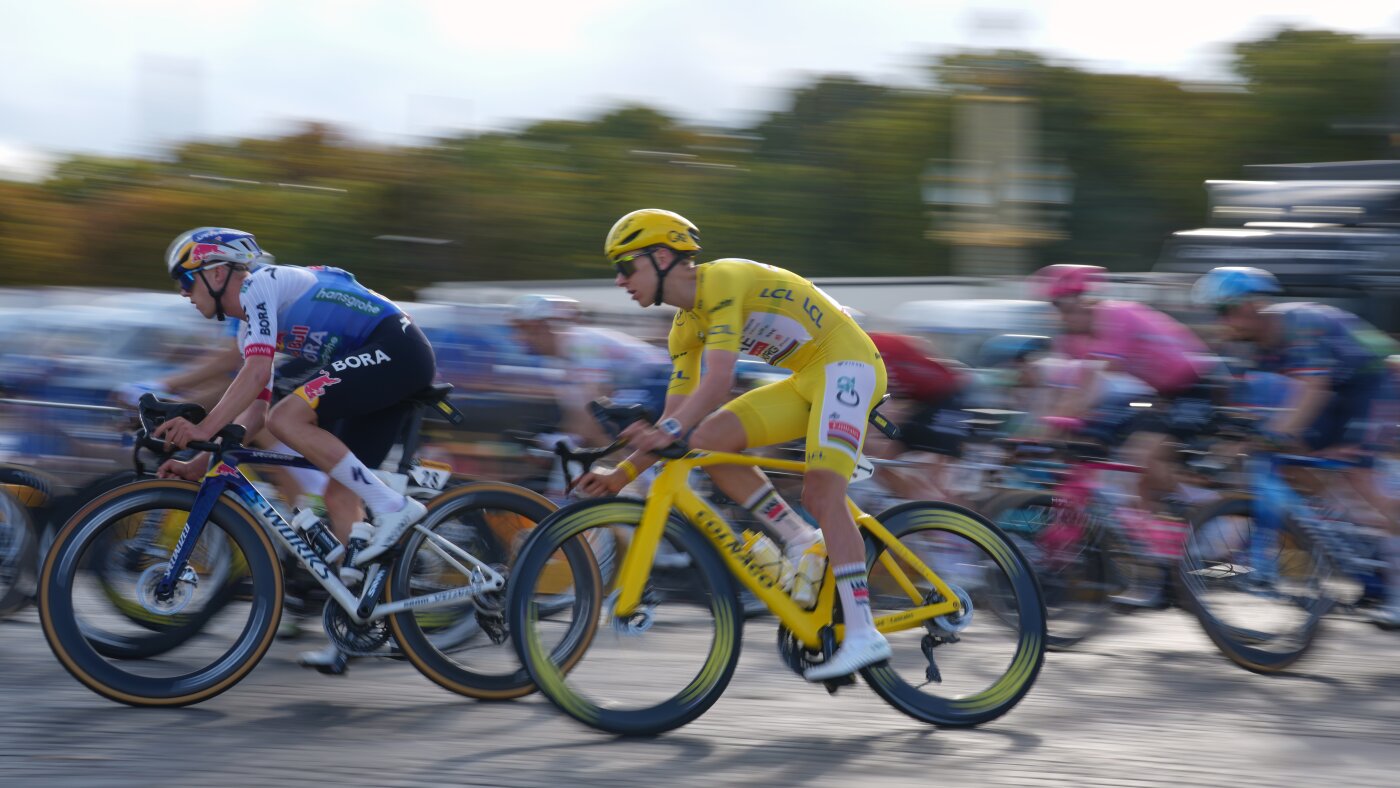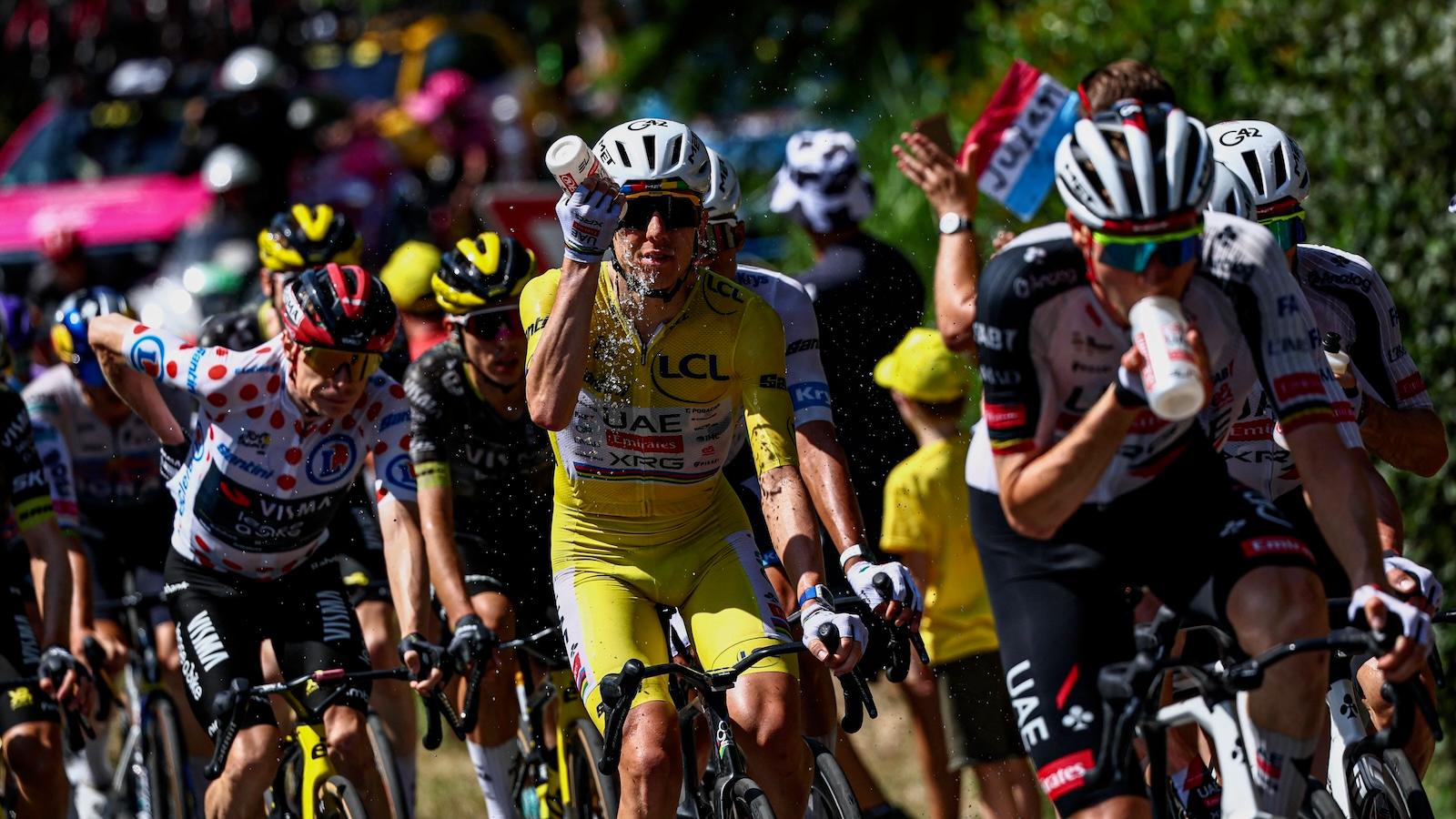
Tadej Pogačar is expected to ride to victory on the Champs-Élysées in Paris when the Tour de France ends Sunday. While his commanding performance has left little doubt about the outcome, the journey to the finale has been remarkable for another reason: climate change.
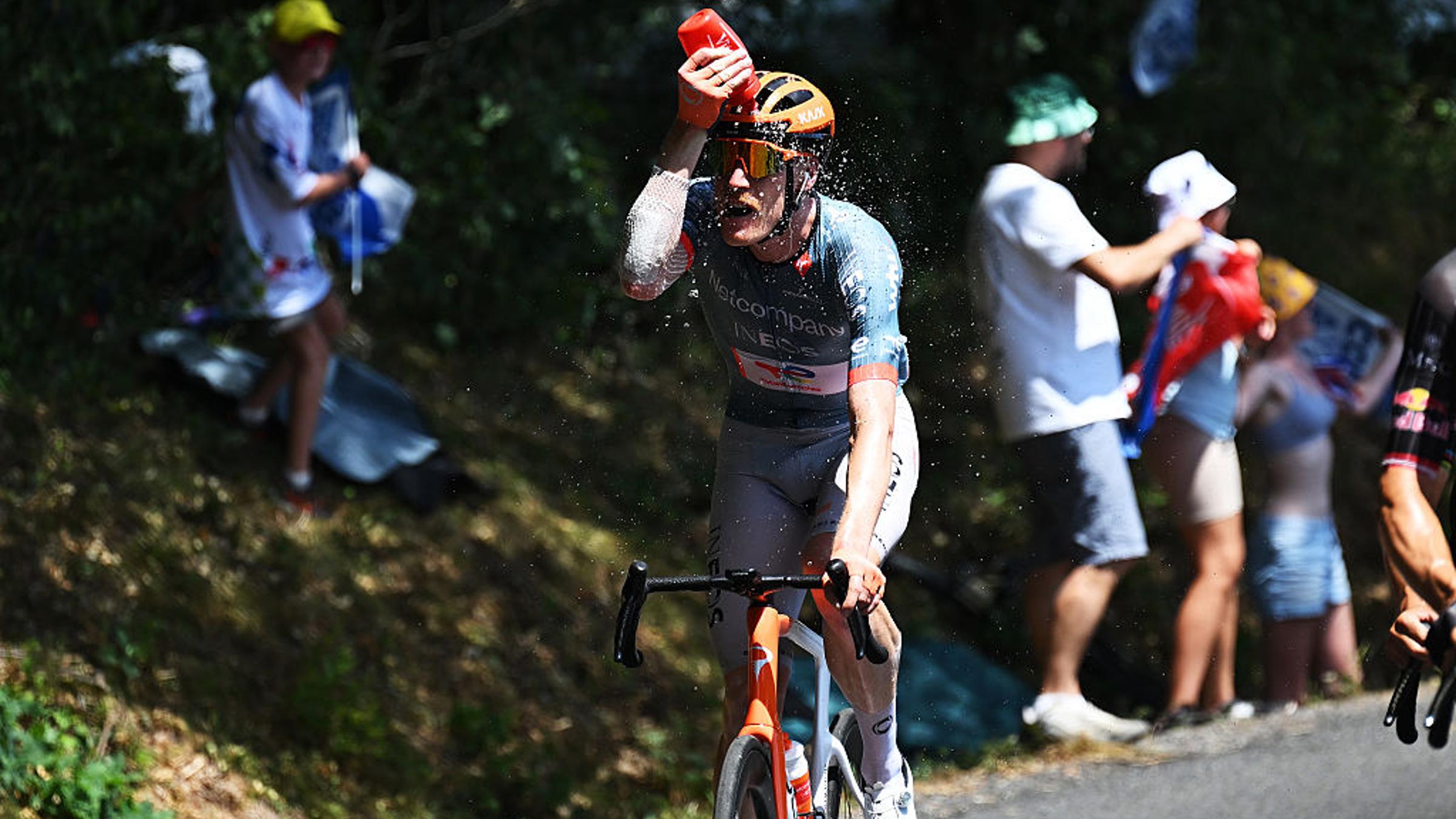
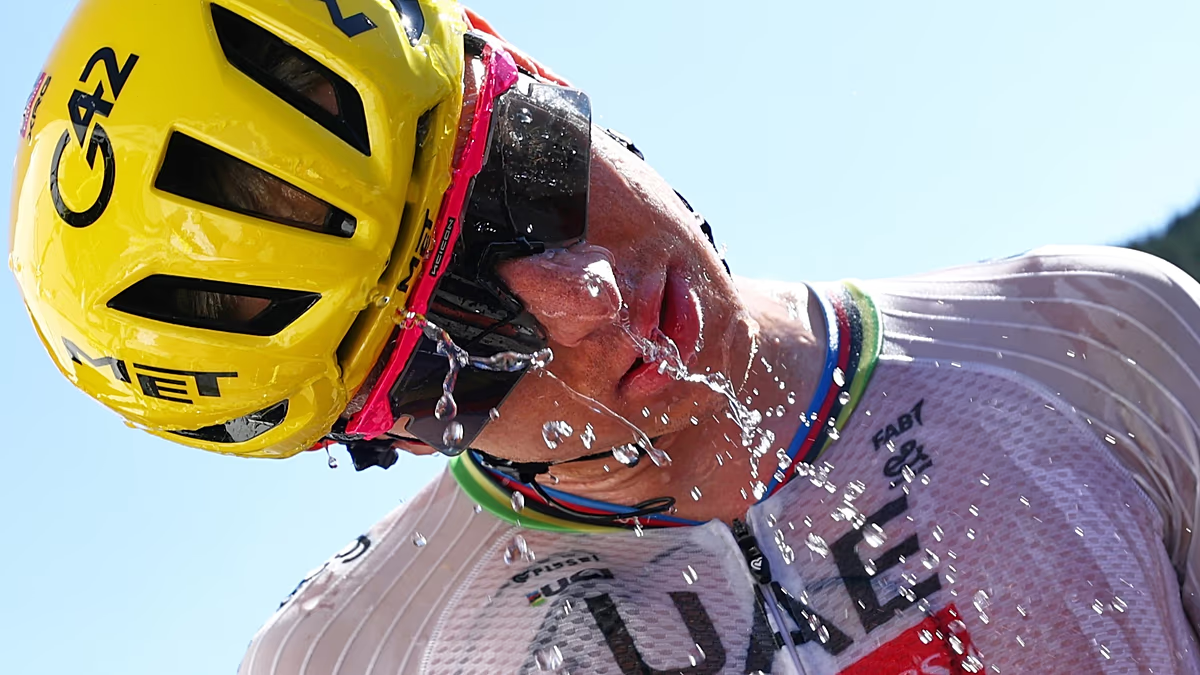
The grueling 23-day trek through France has seen a barrage of emissions-driven extremes, from wildfires to blistering heat. It was so dry at one point that organizers banned TV crews from a French pastime, smoking. Pogačar even suggested that the race, which has almost always spanned late June and early July, no longer occur during the summer.
“If I had the power,” he said, “I would change all the calendar and not race in July and August in hot places.”
The trouble started earlier this month when wildfires threatened the Pyrénées-Orientales region during the third stage, as each day’s race is called. Organizers considered cancelling it, but decided it would continue. Still, they limited the caravan that typically follows it to essential vehicles. They also asked fans, a fixture along every route, to stay away from the last 27 miles of the day’s 121-mile race.
“We invite the public not to come to the edge of the race or to the finish site,” race director Christian Prudhomme told France TV. “With exceptional fires, exceptional measures on the Tour, the first thing is the protection of the people.”