Step back three decades to 'a period when software teams were willing to color outside the lines'
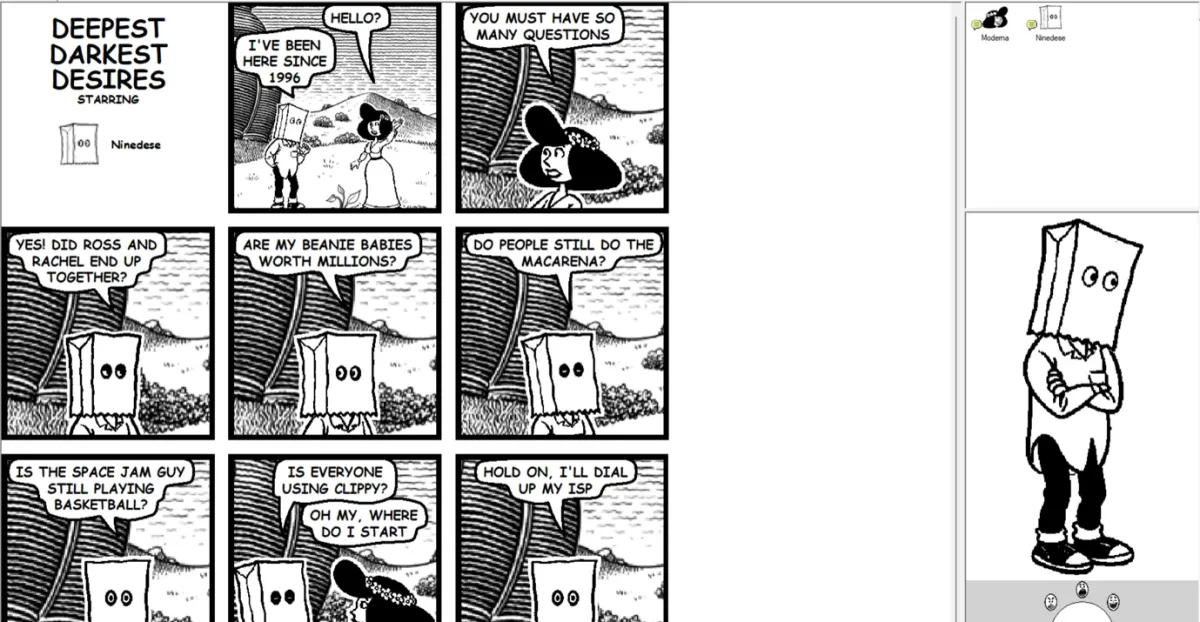
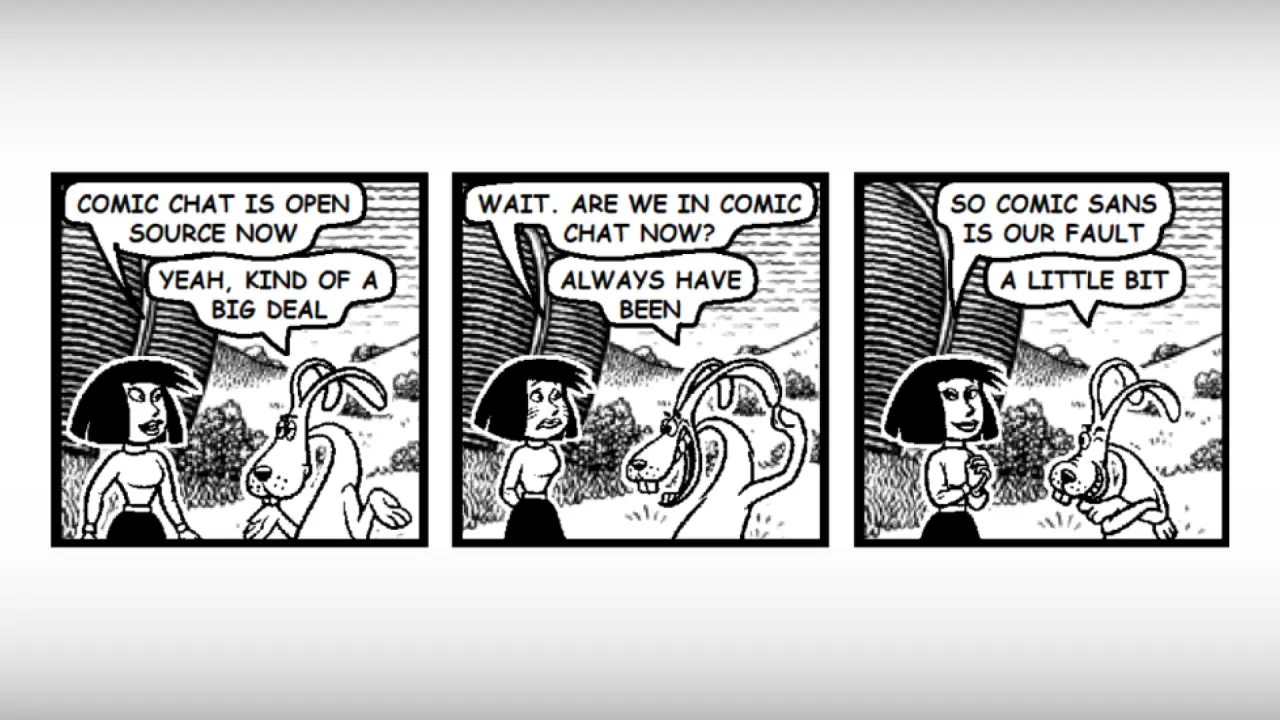
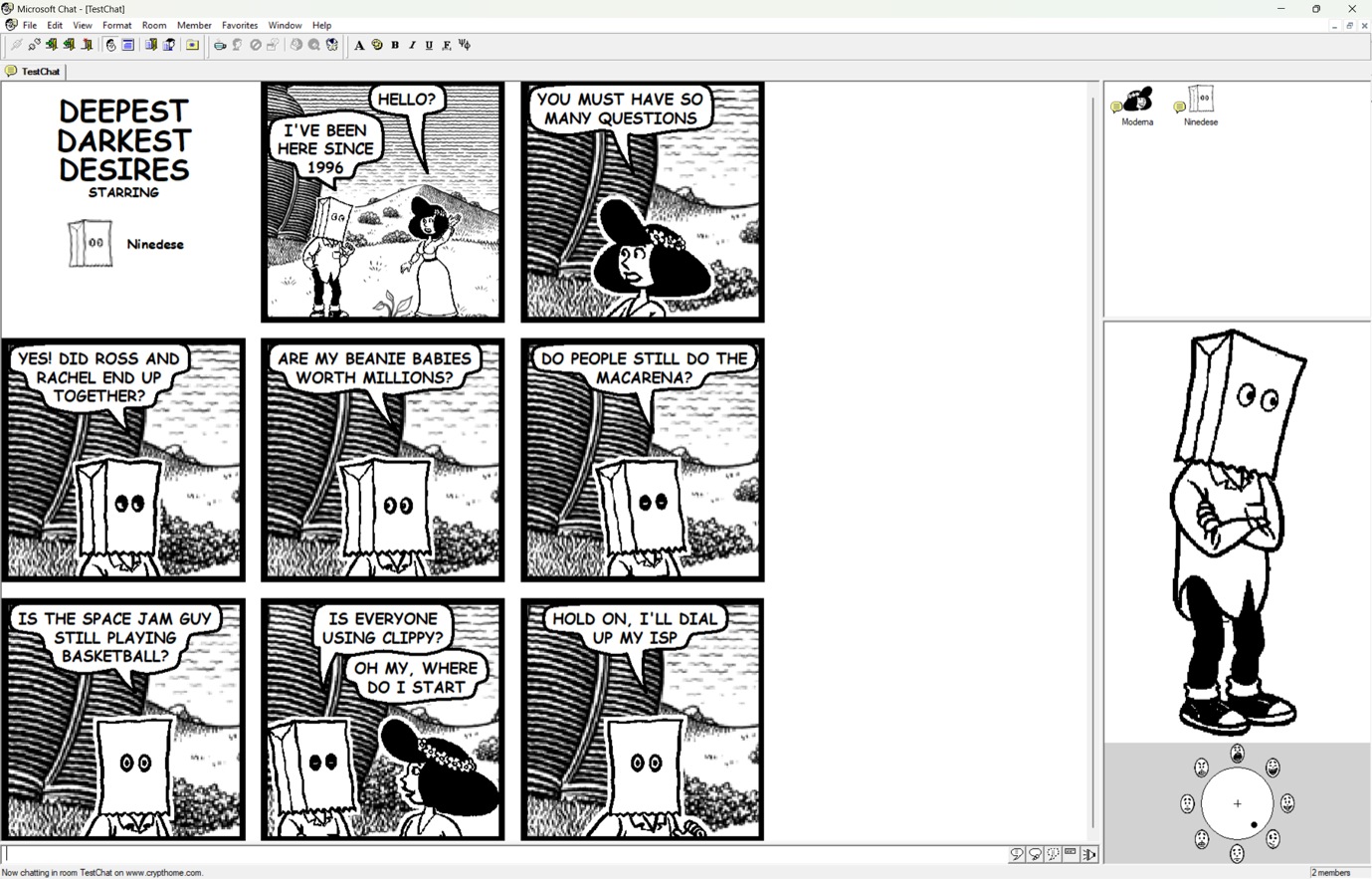
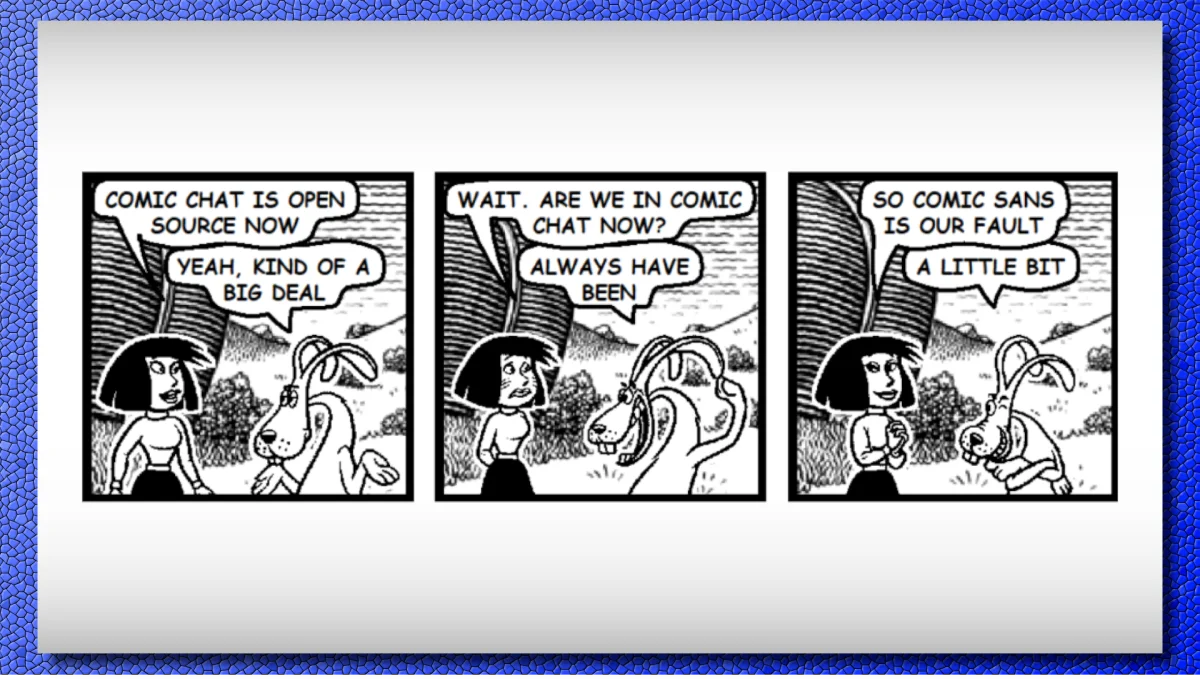
Microsoft has open-sourced Comic Chat, its short-lived 1990s experiment in turning Internet Relay Chat (IRC) conversations into comic strips – and, for many users, their first encounter with Comic Sans.Microsoft Comic Chat was released in 1996 with Internet Explorer 3. It was conceived by David "DJ" Kurlander of the Microsoft Research Virtual Worlds Group as a new visual representation of conversation histories.Rather than displaying the scrolling sequence of text messages still familiar today, a chat was depicted across several cartoon panels, replete with characters, backgrounds, and speech bubbles.
According to Microsoft, "the visual world of Comic Chat was the work of Jim Woodring, a highly regarded independent comic artist whose characters gave the software its distinctive look."
This was long before generative AI, and the software generated its scenes using rules. "If someone wrote 'I like that,'" explained Microsoft, "the character might point to itself. If the text suggested anger, the character might frown or cross its arms.""Comic Chat was more than a clever skin for IRC. It was able to interpret conversational cues in the text and choose appropriate poses, facial expressions, gestures, and panel layouts. "That meant Comic Chat was not simply displaying messages but also making real-time editorial decisions about how a conversation should look and feel as a comic." It could be entertaining, even if the novelty wore off quickly for many users – something Microsoft tacitly acknowledged when it pulled the plug on the project in the early 2000s.