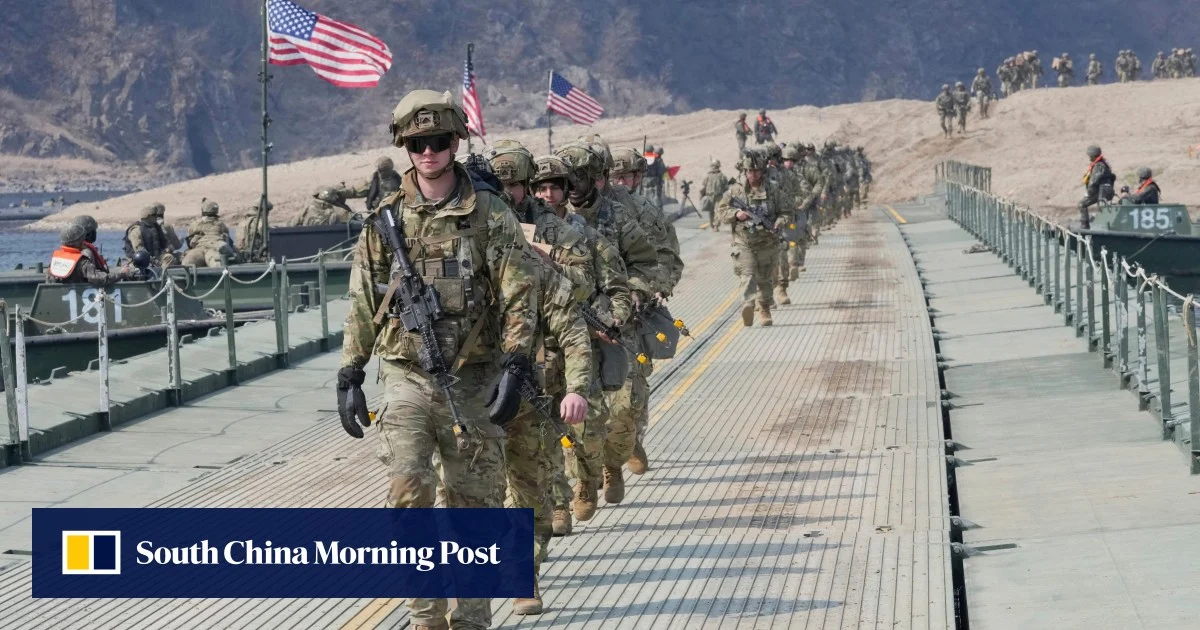
For decades, South Korean strategy rested on a stable hierarchy within the international order. The alliance with the United States provided security; Seoul then managed relations with Japan, Europe, China, and regional institutions around that anchor. The alliance remains indispensable, but Seoul can no longer assume that this foundation will stay stable.
The evidence is visible in the way Washington now deals with allies. In 2025, the United States initially announced sharply differentiated “reciprocal” tariffs on South Korea, Japan, and the European Union. Negotiations later produced a 15 percent baseline framework for all three, but the process mattered as much as the final rate. Trade access, industrial investment, defense procurement, and alliance politics were increasingly handled as one bargaining package. Allies were not exempt from economic pressure because they were allies.
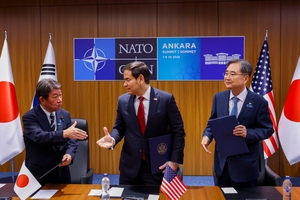
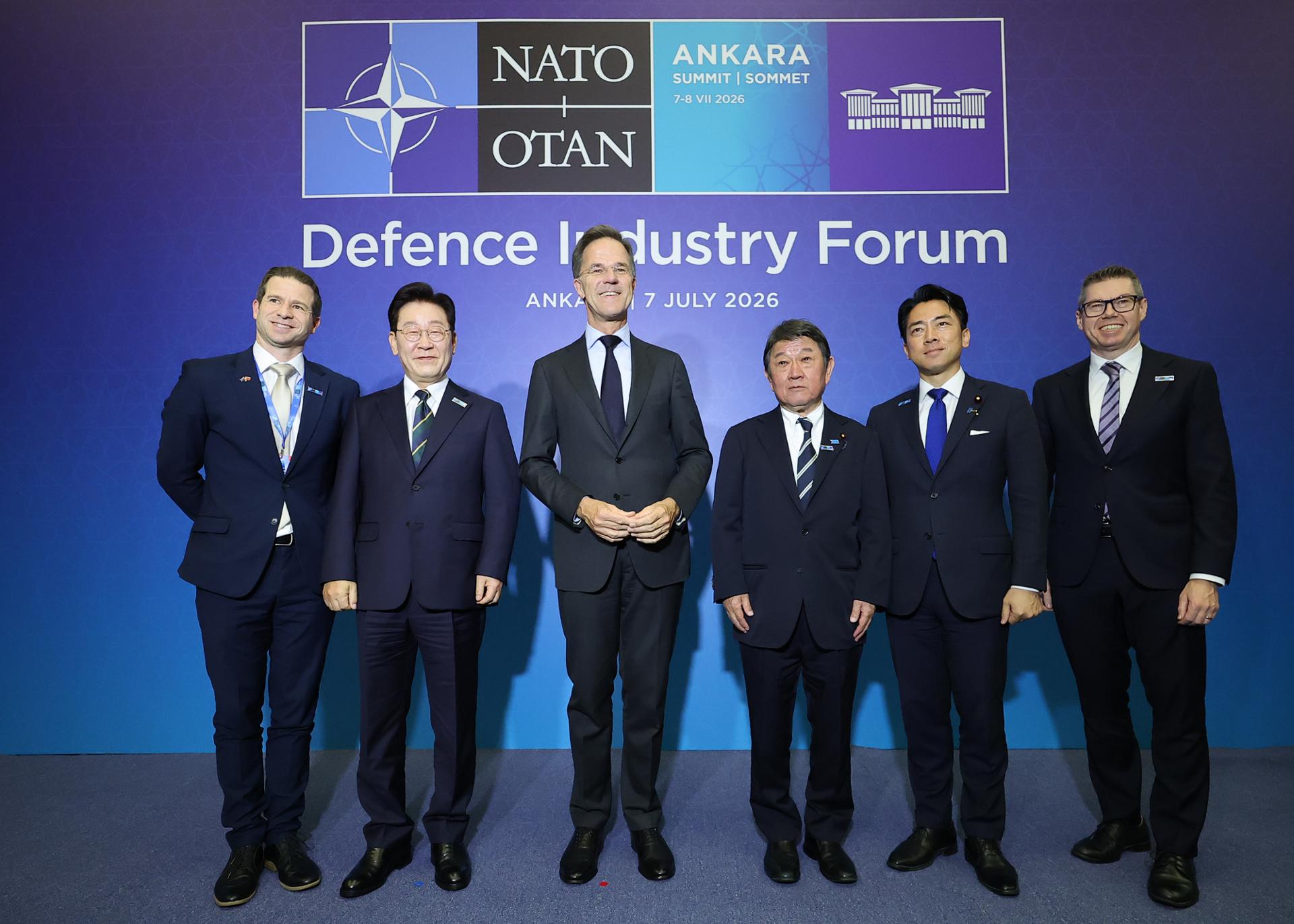
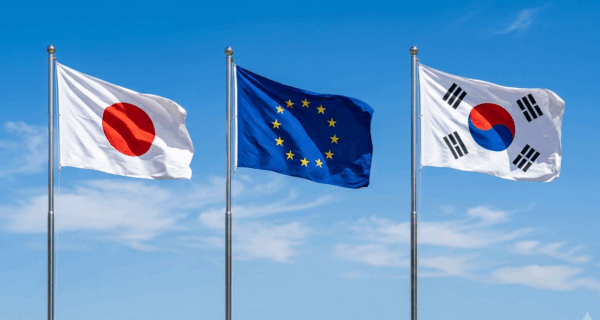
At the same time, Europe and Asia have been building connections that would have seemed highly ambitious a decade ago. The European Union signed security and defense partnerships with Japan and South Korea in November 2024. This year, the EU and Japan launched a defense-industry dialogue, while the EU and South Korea signed a digital trade agreement and began implementing cooperation on maritime security, cyber and hybrid threats, information manipulation, space, and the defense industry. The strategic map is becoming more networked.