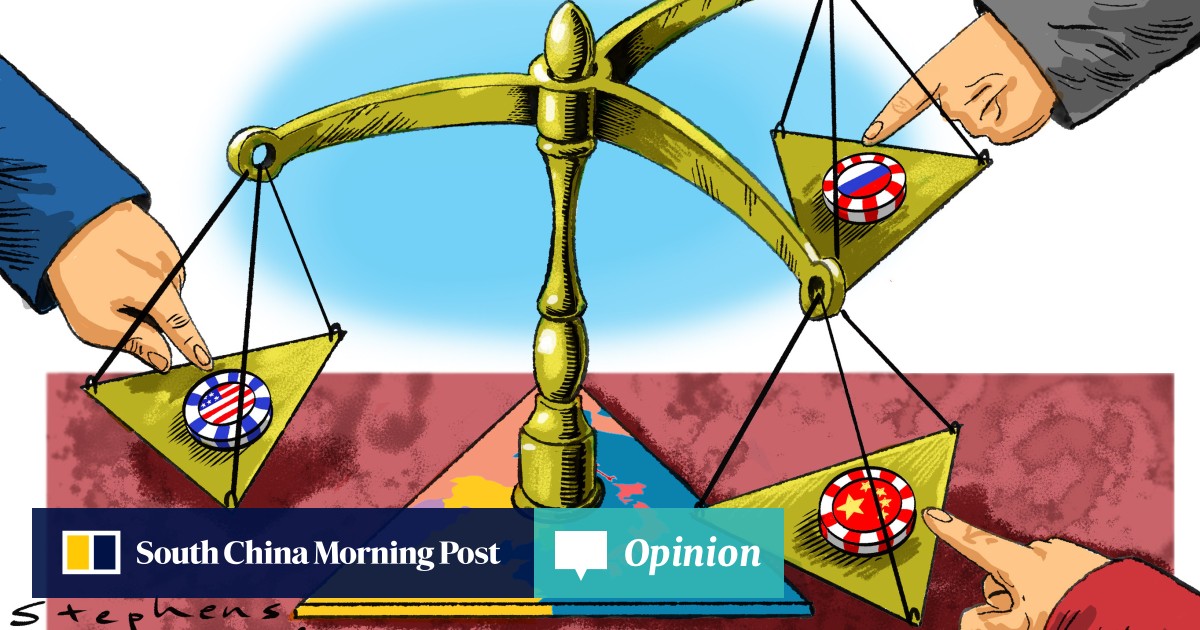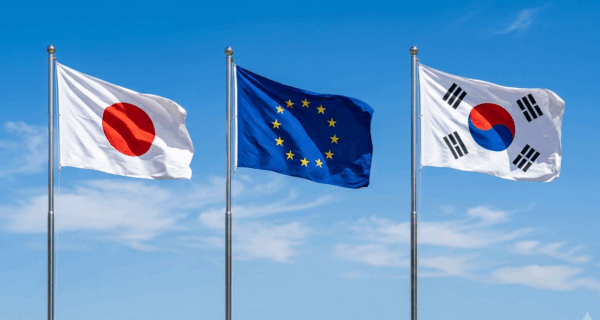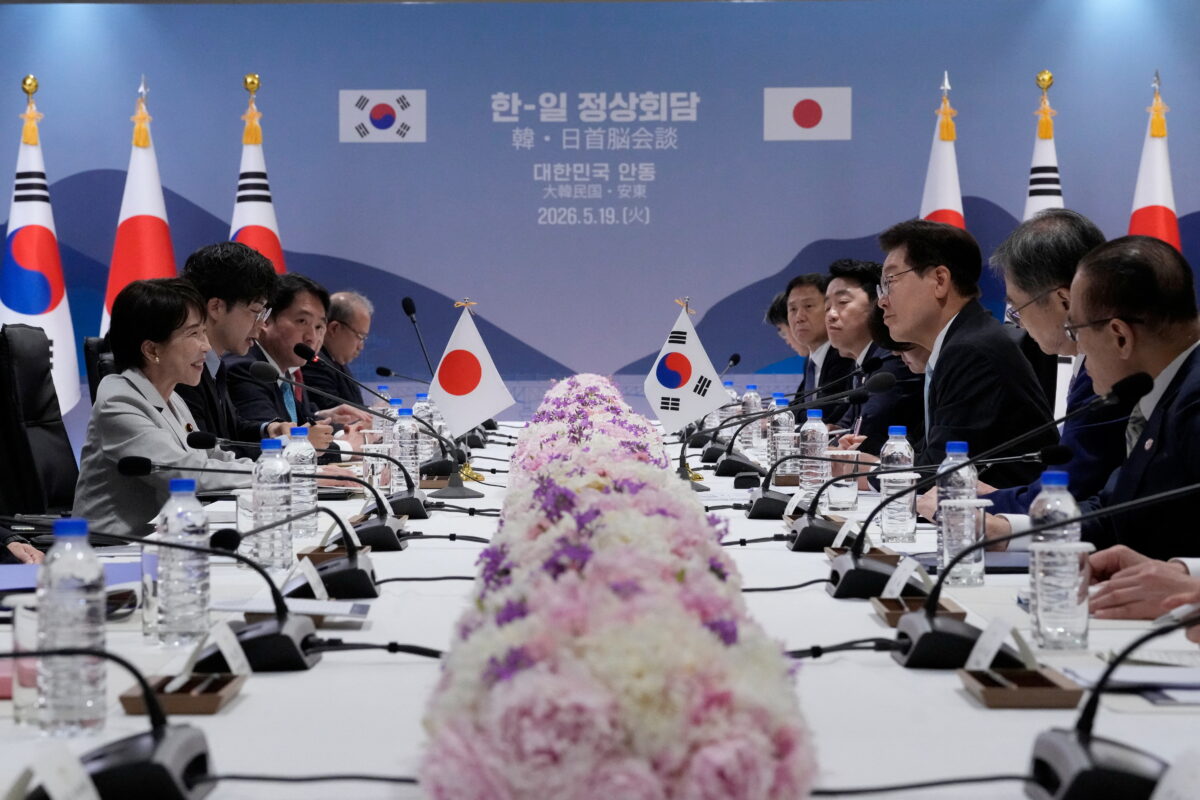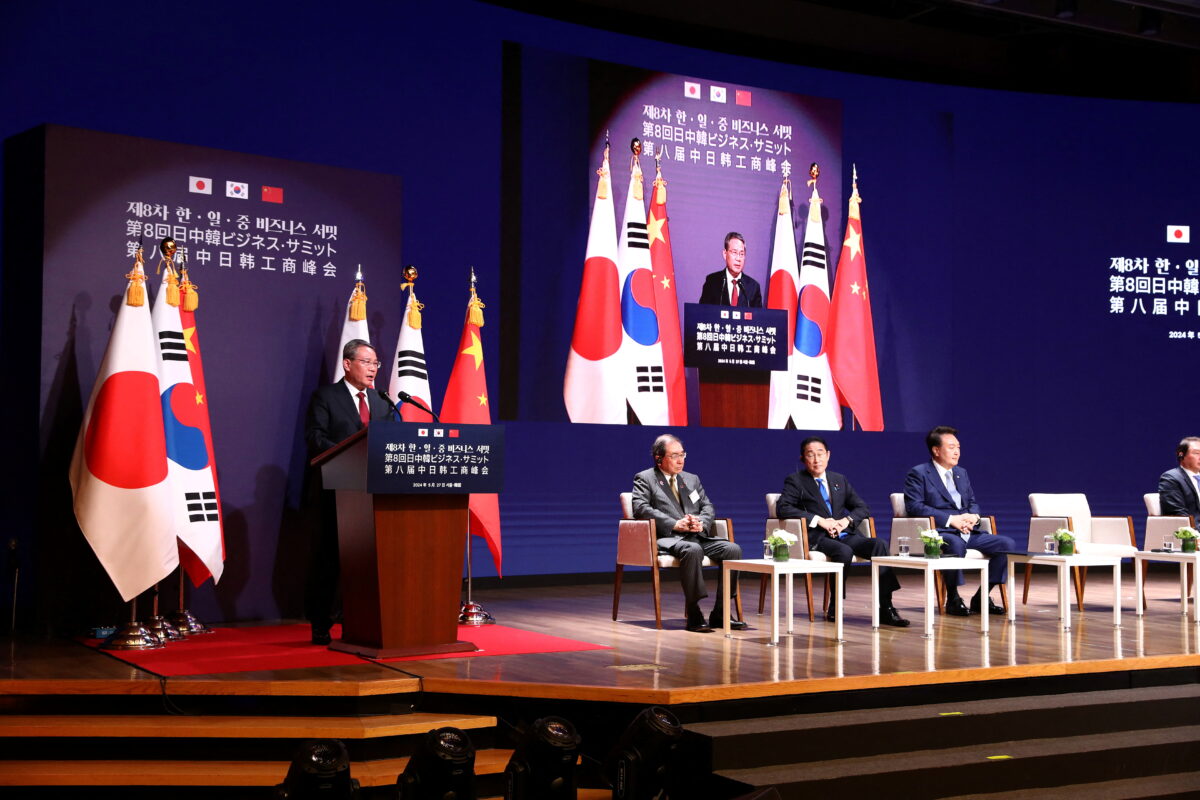
The China–Japan–South Korea (CJK) trilateral summit — Northeast Asia’s highest-level diplomatic framework — is steadily being marginalised. Following the ninth summit in May 2024, Japan assumed the coordination chair. Though none of the three parties has officially cancelled or postponed the tenth summit, severe friction between China and Japan is the primary cause of growing the impasse.
Both China and Japan bear partial responsibility for the deadlock. Japanese Prime Minister Sanae Takaichi’s November 2025 statements on Taiwan and the expanded scope of the Japan Self-Defense Forces triggered strong diplomatic pushback from China. Beijing regards these developments as attempts to undermine established regional stability in East Asia.
But China’s own approach is also debatable. Since the standalone CJK summit was launched in 2008, China has repeatedly suspended trilateral diplomatic engagements whenever bilateral friction emerged, including over the 2012 Diaoyu/Senkaku islands dispute and the 2016 US missile defence deployment in South Korea. This pattern has prevented the CJK framework from evolving into an truly ‘multilateral’ institution, reducing it to an extension of bilateral ties.