Read The Diplomat, Know The Asia-Pacific
Two neighbors, one alliance, and a great deal of uncertainty.
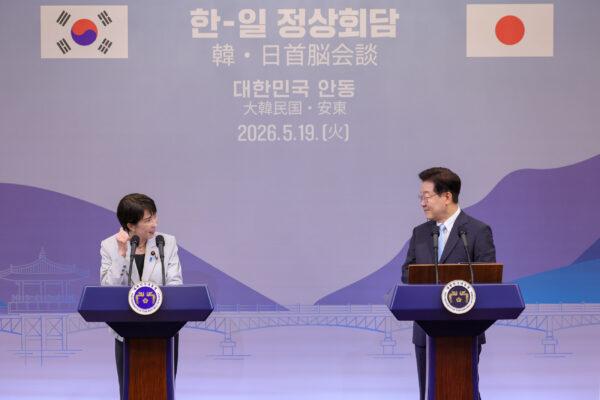
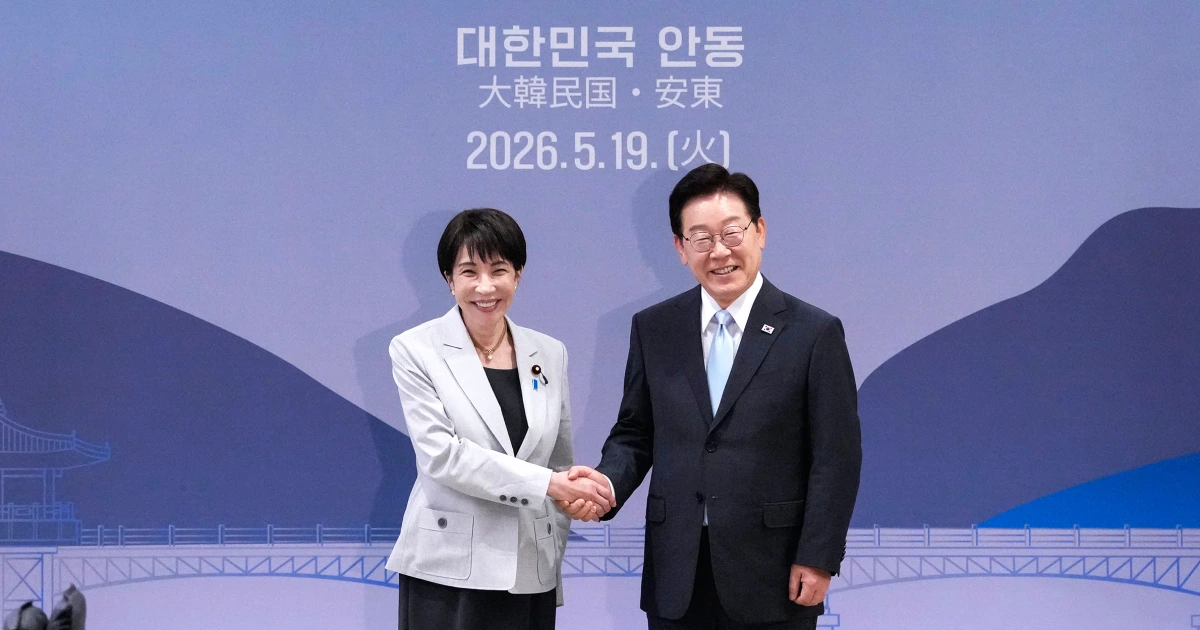
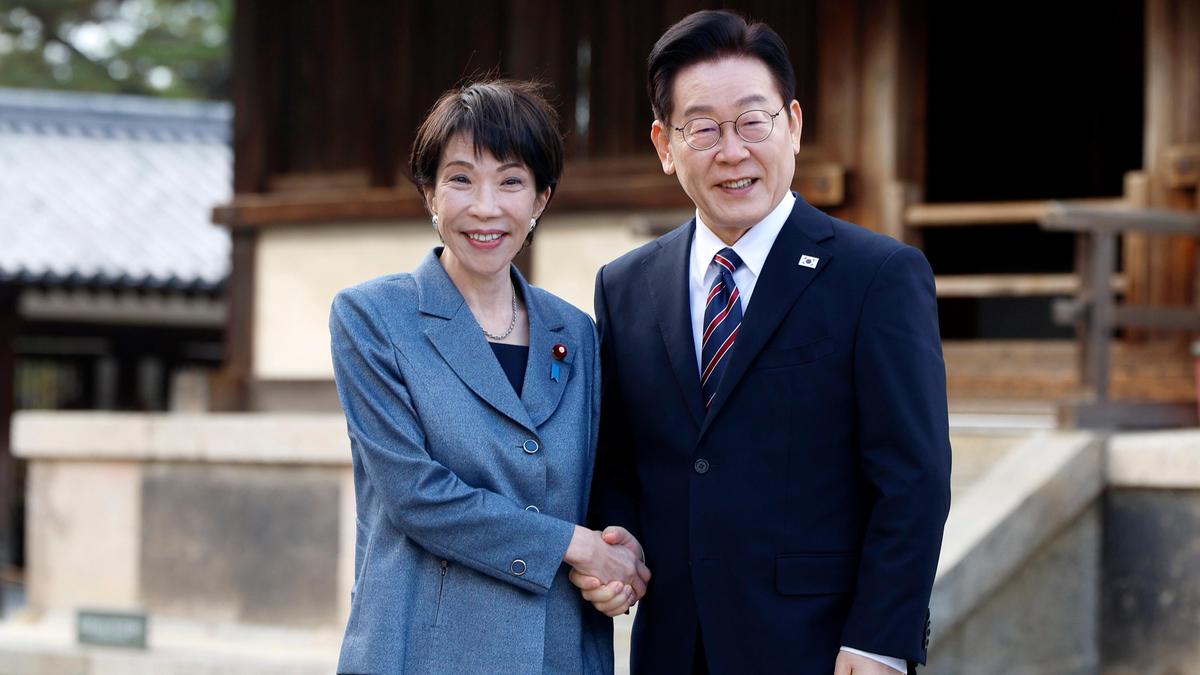
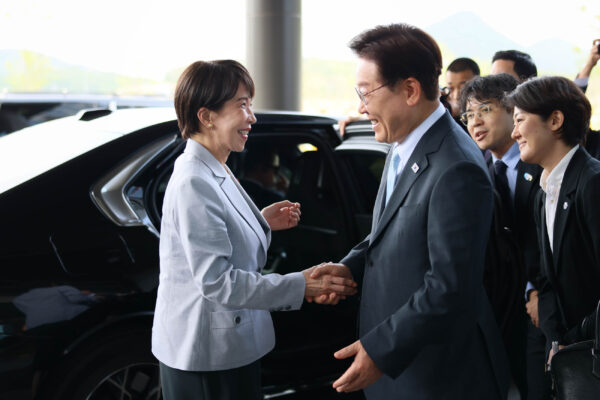
Japanese Prime Minister Sanae Takaichi and South Korean President Lee Jae Myung held a summit on May 19, 2026 in Lee’s hometown of Andong. The meeting came shortly after U.S. President Donald Trump met President Xi Jinping on May 14-15. As was the case in January, when a China-South Korea summit was swiftly arranged at Beijing’s request just ahead of Takaichi’s previous meeting with Lee, both the Japanese and Korean governments are acutely aware of their shared challenge: managing the dynamics of a shifting U.S.-China relationship.
The central themes of the U.S.-China summit were Taiwan, Iran, and trade, with the Korean Peninsula a secondary concern. With Japan-China tensions over Taiwan running high, Japan followed the Trump-Xi summit more closely than South Korea did. In fact, immediately after the summit, on May 15, Takaichi was briefed by phone by Trump while he was still en route home, whereas Lee was not briefed until somewhat later, on May 17.
Japan and South Korea agree that countering China’s economic coercive diplomacy requires deepening their cooperation on economic security within the Japan-U.S.-South Korea framework, and that U.S. engagement is indispensable. There is, however, a difference in tone on China. Seoul wants to keep the U.S.-South Korea alliance from becoming entangled in the Taiwan issue, and to maintain workable relations with Beijing, mindful of the economic stakes and the North Korean problem. The gap was visible in the joint press announcement, where Lee referred to trilateral cooperation among Japan, China, and South Korea, while Takaichi referred only to the Japan-U.S.-South Korea framework. This divergence over China is one reason why the Acquisition and Cross-Servicing Agreement (ACSA) remains unresolved.