Serving tech enthusiasts for over 25 years.
TechSpot means tech analysis and advice you can trust.
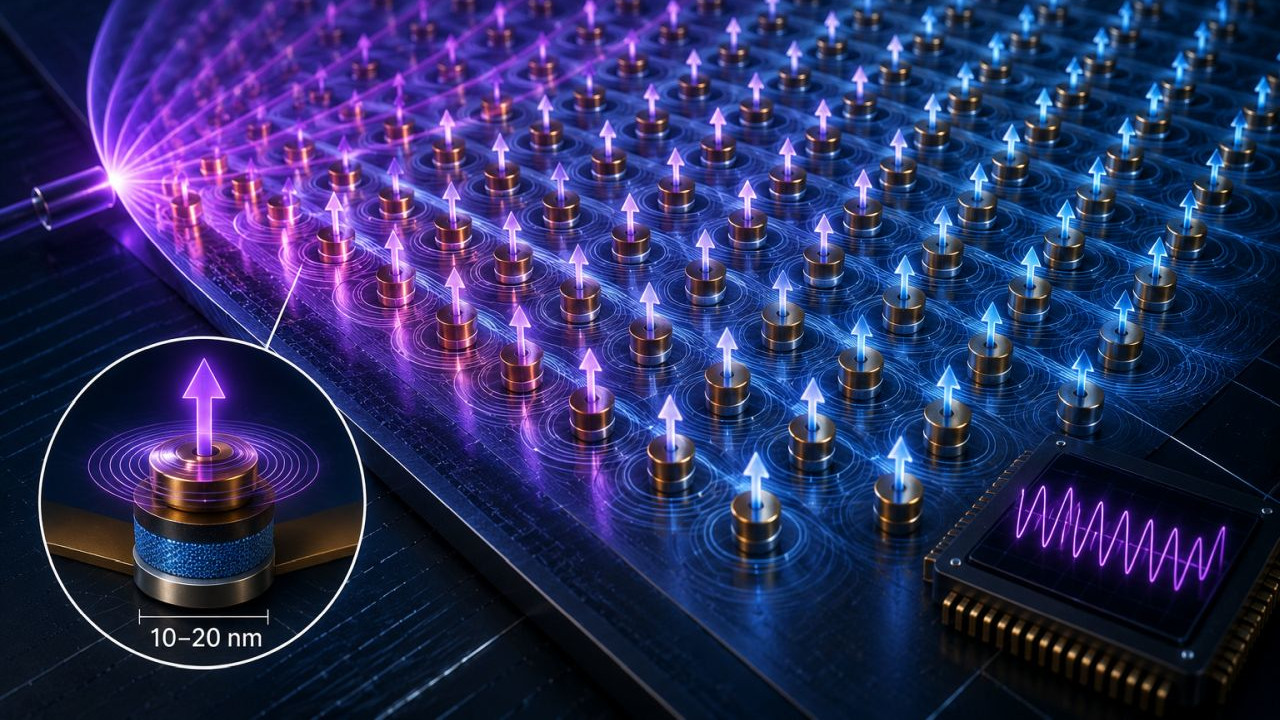
What just happened? Researchers have synchronized 105,000 tiny magnetic oscillators in just 45 nanoseconds, creating the largest network of its kind ever built, and a real sign that this odd corner of computing might actually scale. To put that number into perspective, the previous record was 64 oscillators. This new experiment increased that number to 105,000, more than 1,600 times as many, and the sync time barely moved. With 100 oscillators, synchronization took 10 nanoseconds. With 105,000, it took 45 nanoseconds. That's the part researchers care about most. Usually, adding more components slows a system down. Here, the system barely slowed down.
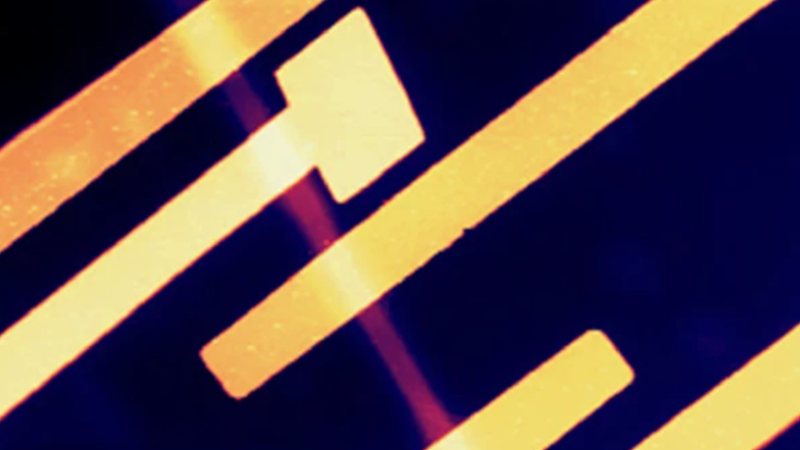
Each oscillator is tiny, just 10 to 20 nanometers wide. There's no external clock running the show. Once the grid gets nudged, the oscillators fall into sync on their own, using nothing but their natural magnetic spin. Think of ripples spreading across a pond until the whole surface moves the same way. And they do it using very little power.
Why does this matter? Because a grid of synchronized oscillators can solve certain problems just by settling into place. Anything involving waves, statistics, approximation, or pattern recognition tends to fit.