WARPTECHNEWS · LAB
HomeAIBusinessTechArchive
WARPTECH LAB NEWS

Warptech Lab News aggrega le notizie più rilevanti da oltre 700 fonti internazionali, con classificazione AI, TL;DR sintetici e timeline cluster su singole storie.

Navigazione

  • Home
  • Archivio
  • Editor's Brief
  • Cerca
  • Il tuo account
  • Newsletter tech/AI

Informazioni legali

  • Privacy Policy
  • Termini di servizio
  • Cookie Policy

© 2026 Sparktech S.R.L. — Tutti i diritti riservati. Sito gestito e manutenuto da Sparktech S.R.L.

Sede legale: Corso Libertà 55, 13100 Vercelli (VC), Italia · P.IVA / C.F. 02835910023 · Contatti: admin@warptechlab.com

Home
Storia in 2 fonti

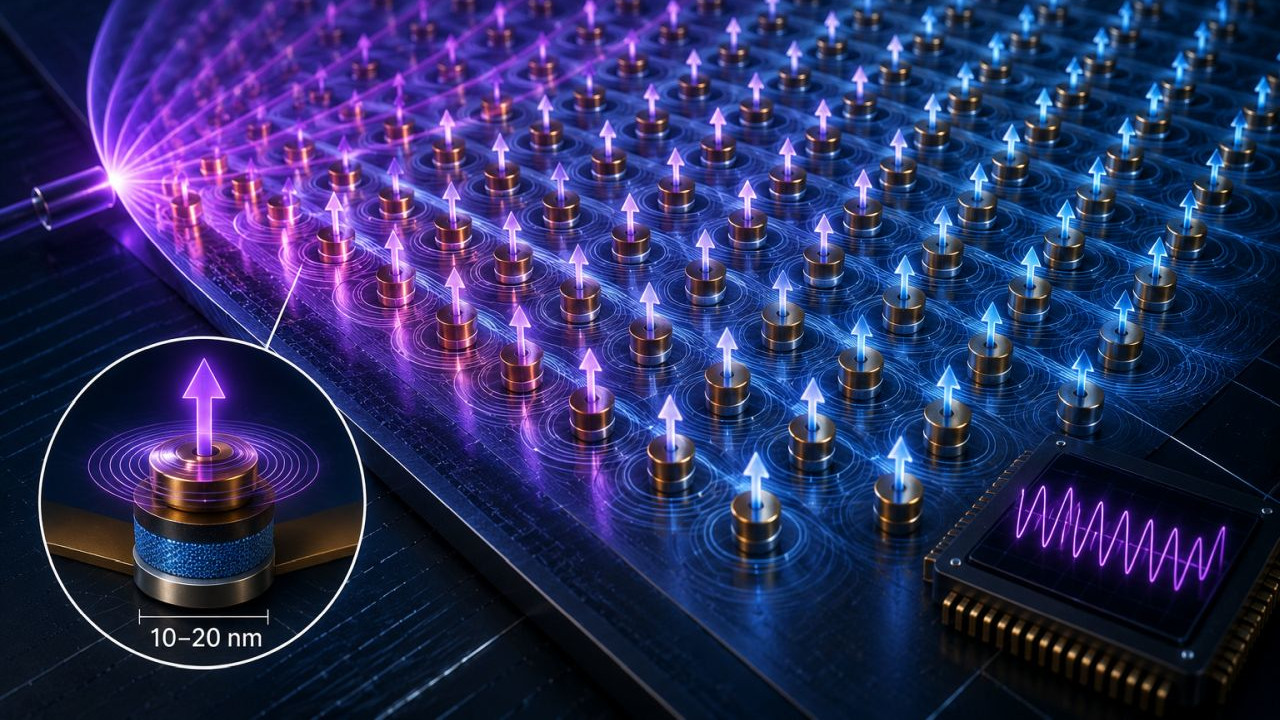
Researchers synchronize 105,000 tiny magnetic oscillators in 45 nanoseconds, pointing to faster, low-power computing

Each oscillator is tiny, just 10 to 20 nanometers wide. There's no external clock running the show. Once the grid gets nudged, the oscillators fall into sync...
Raccontata datomshardware.comtechspot.com

Confronto fonti

2 prospettive sulla stessa storia
AI · summaries
techspot.comStai leggendo5 h fa

Researchers synchronize 105,000 tiny magnetic oscillators in 45 nanoseconds, pointing to faster, low-power…

Each oscillator is tiny, just 10 to 20 nanometers wide. There's no external clock running the show. Once the grid gets nudged, the oscillators fall into sync...

originale
tomshardware.com1 g fa

Scientists synchronize 105,000 nano-oscillators in just 45 nanoseconds — paving the way for a highly…

Breakthrough shows promise for high-speed comms, financial and scientific modelling, real-time data analytics, and even AI.

Leggi questa versione → originale

Timeline cronologica

  1. giovedì 16 luglio 2026·tomshardware.com

    Scientists synchronize 105,000 nano-oscillators in just 45 nanoseconds — paving the way for a highly efficient and fast alternative to…

    Breakthrough shows promise for high-speed comms, financial and scientific modelling, real-time data analytics, and even AI.

  2. venerdì 17 luglio 2026·techspot.com

    Researchers synchronize 105,000 tiny magnetic oscillators in 45 nanoseconds, pointing to faster, low-power computing

    Each oscillator is tiny, just 10 to 20 nanometers wide. There's no external clock running the show. Once the grid gets nudged, the oscillators fall into sync...