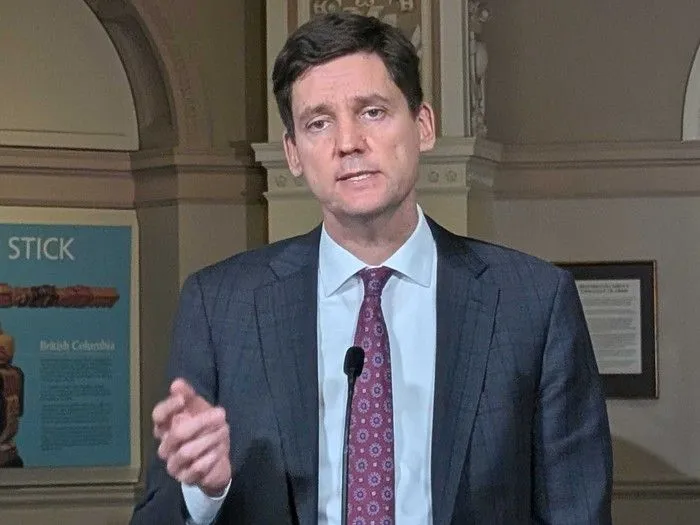
Skip to Content Subscribe Our Offers My Account Manage My Subscriptions FAQ Newsletters Canada Canadian True Crime Canadian Politics Health World Israel & Middle East Financial Post NP Comment Longreads Puzzmo Diversions Comics NP News Quiz New York Times Crossword Horoscopes Life Eating & Drinking Style Sponsored Play for Ontario Travel Travel Canada Travel USA Travel International Cruises Travel Essentials Culture Books Celebrity Movies Music Theatre Television Business Essentials Advice Lives Told Tails Told Shopping Buy Canadian Home Living Outdoor Living Kitchen & Dining Tech Style & Beauty Personal Care Entertainment & Hobbies Gift Guide Travel Guide Amazon Prime Day Deals Savings National Post Store More Sports Hockey Baseball Basketball Football Soccer Golf Tennis Driving Vehicle Research Reviews News Gear Guide Obituaries Place an Obituary Place an In Memoriam Classifieds Place an Ad Celebrations Working Business Ads Archives Healthing Epaper Manage Print Subscription Profile Settings My Subscriptions Saved Articles My Offers Newsletters Customer Service FAQ Newsletters Canada World Financial Post NP Comment Longreads Puzzmo Diversions Life Shopping Epaper Manage Print Subscription HomeNP CommentJoseph Quesnel: Don't blame judges. Politicians created the Indigenous rights crisisThe solution lies where the problem began — in ParliamentLast updated 3 days ago You can save this article by registering for free here. Or sign-in if you have an account.Premier David Eby makes an announcement about suspending sections of DRIPA on Thursday, April 2, 2026 at the B.C. Legislature. Alec Lazenby photoCanada’s UNDRIP crisis isn’t just about activist judges — it’s about lawmakers who either failed to understand what they were enacting or weren’t honest with Canadians about the consequences.Enjoy the latest local, national and international news.Exclusive articles by Conrad Black, Barbara Kay and others. Plus, special edition NP Platformed and First Reading newsletters and virtual events.Unlimited online access to National Post.National Post ePaper, an electronic replica of the print edition to view on any device, share and comment on.Daily puzzles including the New York Times Crossword.Support local journalism.Enjoy the latest local, national and international news.Exclusive articles by Conrad Black, Barbara Kay and others. Plus, special edition NP Platformed and First Reading newsletters and virtual events.Unlimited online access to National Post.National Post ePaper, an electronic replica of the print edition to view on any device, share and comment on.Daily puzzles including the New York Times Crossword.Support local journalism.Create an account or sign in to continue with your reading experience.Access articles from across Canada with one account.Share your thoughts and join the conversation in the comments.Enjoy additional articles per month.Get email updates from your favourite authors.Create an account or sign in to continue with your reading experience.Access articles from across Canada with one accountShare your thoughts and join the conversation in the commentsEnjoy additional articles per monthGet email updates from your favourite authorsSign In or Create an AccountorThe real problem began in legislatures, not courtrooms.When the British Columbia Legislature passed the Declaration on the Rights of Indigenous Peoples Act (DRIPA) in 2019, officials downplayed its impacts, reassuring the public, investors and industry that any changes from DRIPA would be gradual, filled with opportunities for stakeholders to voice concerns and not affect current regulatory timelines. They described DRIPA as a consultation framework — not a sudden shift in lawmaking. Ottawa made identical assurances with its federal United Nations Declaration on the Rights of Indigenous Peoples Act (UNDRIP), claiming it wouldn’t change existing consultation duties or create new obligations.Those assurances have proven false, but not because courts are exceeding their authority. The problem lies in what lawmakers actually wrote versus what they told the public.The National Post newsletter that doesn’t hold back, giving readers the unvarnished truth on media, politics and culture.By signing up, you consent to receive the above newsletter from Postmedia Network Inc.A welcome email is on its way. If you don't see it, please check your junk folder.The next issue of Right? will soon be in your inbox.We encountered an issue signing you up. Please try againTo be clear, the DRIPA Act does not address Section 35, which enshrines Aboriginal and Treaty rights in the Constitution. Since 1982, courts have extensively interpreted those rights and defined their constitutional limits. By incorporating UNDRIP, DRIPA pushes those rights beyond those established limits.On Dec. 5, 2025, the B.C. Court of Appeal decided Gitxaala v. British Columbia, concluding that DRIPA converts UNDRIP from guidance into binding law that can invalidate provincial statutes. Critically, two of the three judges noted that DRIPA was written in “obligatory and imperative” language — lawmakers used mandatory terms like “must” and “shall,” not the permissive language of a consultation framework.The federal UNDRIP Act contains identical problems. It requires the federal government to “take all measures necessary to ensure that the laws of Canada are consistent with the Declaration” and uses mandatory “must” language throughout. These aren’t suggestions — they’re legal commands.Courts are taking this language seriously in ways that should alarm anyone concerned about democratic governance. In Quebec, Justice Sophie Bourque stayed criminal proceedings against Mohawk men charged with smuggling 13,000 kilograms of tobacco, ruling that inadequate consultation over tobacco control policies invalidated border enforcement. The court treated UNDRIP with “the same weight as a binding international instrument,” effectively allowing historical treaties interpreted through UNDRIP to override law enforcement.Most significantly, the Quebec Superior Court, in implementing this expansive reading of the UNDRIP Act, created a broad and generic right to Indigenous economic development that encompassed the existing contraband tobacco trade, an illegal industry with documented connections to organized crime.The implications are staggering. If UNDRIP becomes a judicial tool for rewriting Canadian law, courts will constrain government efforts to protect border integrity and public safety — shifting the balance from legislative regulation to judicial enlargement of rights.But again, courts aren’t inventing these powers. They’re reading the mandatory language lawmakers actually enacted. When Parliament writes that governments “must take all measures necessary” to enforce UNDRIP, courts reasonably conclude this creates obligations, regardless of what politicians told voters. On the other hand, judges who may have an activist bent would be happy to oblige strong language and perhaps would not choose to raise caution about a law’s interpretation.Either lawmakers didn’t understand the legal implications of their own legislation or they deliberately misled Canadians about what they were enacting. Neither explanation inspires confidence in the legislative process.The Eby government in B.C., pressured to appeal the Gitxaala decision, has backpedaled under First Nations pressure against even amending the law.The Quebec decision is under appeal, but similar cases are emerging across Canada. The Supreme Court must ultimately decide how UNDRIP operates within Canadian law, but the Court faces an impossible choice created by legislative drafting — either ignore the mandatory language Parliament enacted, or enforce laws that may fundamentally alter Canadian governance.In other words, the Supreme Court is trapped by the strong mandatory language lawmakers chose to include in these statutes. The justices cannot simply wish away the “must” and “shall” provisions that create binding legal obligations, even if the political consequences prove uncomfortable.The solution lies where the problem began — in Parliament.Lawmakers must repeal or substantially amend these laws to reflect what they actually intended, removing this constitutional crisis from the judicial arena. The current crisis demonstrates the real consequences of strongly worded UNDRIP implementation.Courts interpret law. Judges are not responsible for rescuing politicians from legislation they either didn’t understand or deliberately misrepresented. Legislators should also not dangle this kind of legislation in front of activist judges. The path forward requires our elected politicians to have the courage to be honest — and legislate honestly — about what UNDRIP implementation actually means for Canada. And to honestly legislate its repeal.National PostJoseph Quesnel is a senior fellow with the Aristotle Foundation for Public Policy. Join the Conversation This website uses cookies to personalize your content (including ads), and allows us to analyze our traffic. Read more about cookies here. By continuing to use our site, you agree to our Terms of Use and Privacy Policy.
Joseph Quesnel: Don't blame judges. Politicians created the Indigenous rights crisis
The solution lies where the problem began — in Parliament
1,313 words~6 min read