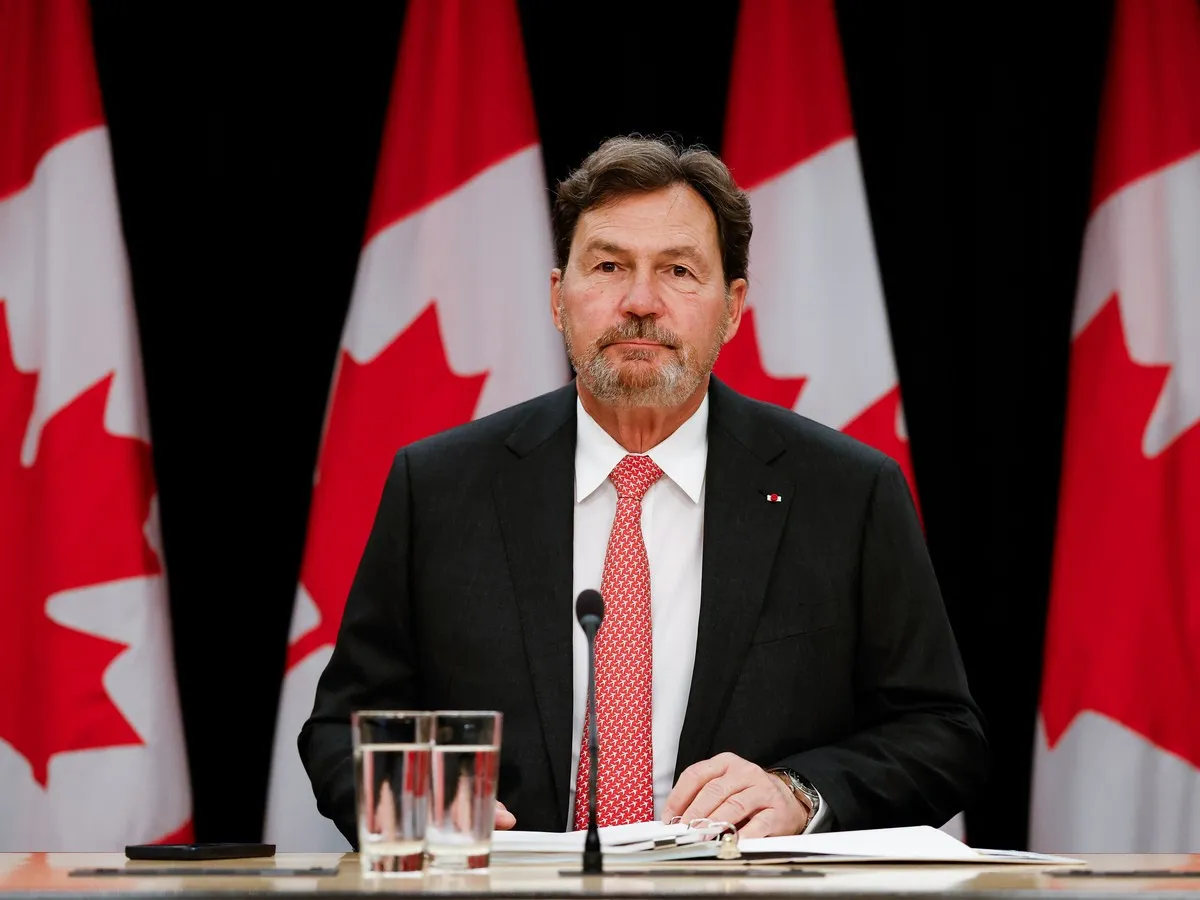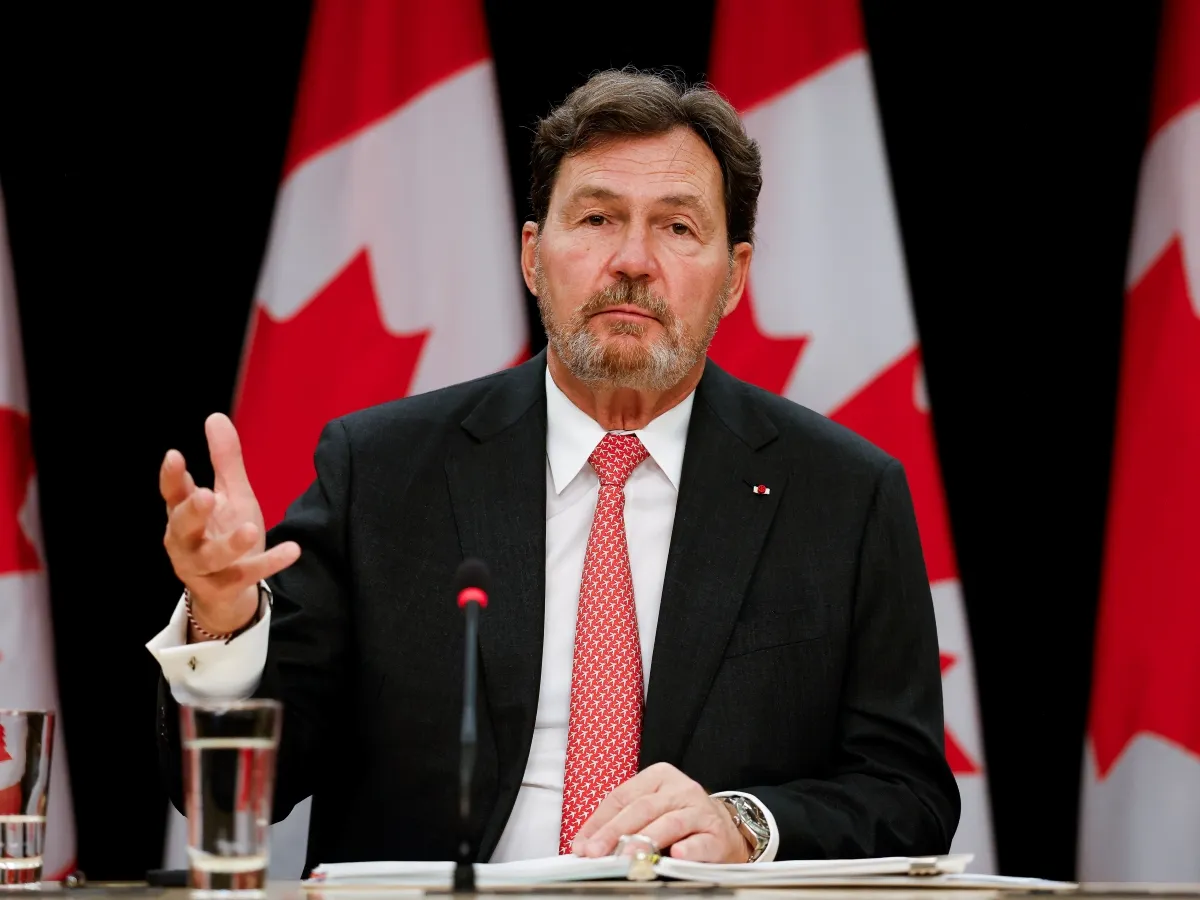
Skip to Content Subscribe Our Offers My Account Manage My Subscriptions FAQ Newsletters Canada Canadian True Crime Canadian Politics Health World Israel & Middle East Financial Post NP Comment Longreads Puzzmo Diversions Comics NP News Quiz New York Times Crossword Horoscopes Life Eating & Drinking Style Sponsored Play for Ontario Travel Travel Canada Travel USA Travel International Cruises Travel Essentials Culture Books Celebrity Movies Music Theatre Television Business Essentials Advice Lives Told Tails Told Shopping Buy Canadian Home Living Outdoor Living Kitchen & Dining Tech Style & Beauty Personal Care Entertainment & Hobbies Gift Guide Travel Guide Amazon Prime Day Deals Savings National Post Store More Sports Hockey Baseball Basketball Football Soccer Golf Tennis Driving Vehicle Research Reviews News Gear Guide Obituaries Place an Obituary Place an In Memoriam Classifieds Place an Ad Celebrations Working Business Ads Archives Healthing Epaper Manage Print Subscription Profile Settings My Subscriptions Saved Articles My Offers Newsletters Customer Service FAQ Newsletters Canada World Financial Post NP Comment Longreads Puzzmo Diversions Life Shopping Epaper Manage Print Subscription HomeNP CommentPeter MacKinnon: Judges have become political actors, despite what Chief Justice Wagner thinksIf he doesn't want them to be criticized, he should depoliticize the benchLast updated 13 minutes ago You can save this article by registering for free here. Or sign-in if you have an account.Supreme Court Chief Justice Richard Wagner Photo by HYUNGCHEOL PARK/PostmediaWhen Roy Romanow was premier of Saskatchewan, he had a saying that can be paraphrased: when observers or commentators offer political statements or opinions, they are in my bailiwick and I shall be free to respond as I see fit.Enjoy the latest local, national and international news.Exclusive articles by Conrad Black, Barbara Kay and others. Plus, special edition NP Platformed and First Reading newsletters and virtual events.Unlimited online access to National Post.National Post ePaper, an electronic replica of the print edition to view on any device, share and comment on.Daily puzzles including the New York Times Crossword.Support local journalism.Enjoy the latest local, national and international news.Exclusive articles by Conrad Black, Barbara Kay and others. Plus, special edition NP Platformed and First Reading newsletters and virtual events.Unlimited online access to National Post.National Post ePaper, an electronic replica of the print edition to view on any device, share and comment on.Daily puzzles including the New York Times Crossword.Support local journalism.Create an account or sign in to continue with your reading experience.Access articles from across Canada with one account.Share your thoughts and join the conversation in the comments.Enjoy additional articles per month.Get email updates from your favourite authors.Create an account or sign in to continue with your reading experience.Access articles from across Canada with one accountShare your thoughts and join the conversation in the commentsEnjoy additional articles per monthGet email updates from your favourite authorsSign In or Create an AccountorRomanow’s dictum came to mind in reading Supreme Court Chief Justice Richard Wagner’s warning against “attacks” on the judicial system and portraying judges as “political actors” or “obstacles to the will of the people.”When I was a law student more than five decades ago, there were protocols and linguistic conventions that shaped how we referred to judges and other colleagues. Opponents were worthy, judges were learned and there was fealty to the idea that courts were non-political arbiters between litigants.This newsletter from NP Comment tackles the topics you care about. (Subscriber-exclusive edition on Fridays)By signing up you consent to receive the above newsletter from Postmedia Network Inc.We encountered an issue signing you up. Please try againThis has changed. In 1982, Canada adopted a Charter of Rights, which protects some of our most important values, including equality, freedom of speech and freedom of religion. It also entrenched group rights, including bilingualism, multiculturalism and Indigenous rights.However, the Charter is brief and does not explain these rights and freedoms. It was left to judges to decide what the Charter means. So while judges are not actors on the political stage, they decide Charter cases laden with political values.Yet the courts can choose to be more or less activist in making those decisions, and to leave more or less scope for our elected representatives to decide how we should be governed. This means that there is legitimate interest in the social and political meaning of these choices, including the ends to which they lead.Judges, for example, can impose lenient sentences to spare offenders from deportation, decisions that could fairly be described as political. In Ontario, a judge suspended a provision regulating bike lanes, finding a potential infringement of the Sec. 7 right to life, liberty and security of the person.The latest example is the Supreme Court of Canada’s decision that it is unconstitutional to appoint a lieutenant governor of New Brunswick who does not speak French.We may agree that it would be unwise to do so in a province in which English and French are official languages and about one-third of the population are French speakers who are entitled to receive government services in their language. But it is a sizable leap to rule it unconstitutional, as New Brunswick has the capacity to provide government services in French, including those from the lieutenant governor’s office.It is effectively the prime minister who chooses viceregal representatives by advising the monarch through the governor general. Imposing a condition limiting the heretofore unqualified right of prime ministers to choose whom they wish diminishes their political authority.These are but a few examples. The point is that they illustrate an indistinct line between judicial and political decision-making.Wagner’s warning was reportedly a response to Alberta Premier Danielle Smith’s concern about activist judges and musings on her call-in radio show that she wished she could direct them. In fairness to the premier, most of us would see her comment as off-hand and casual, not aspirational. She was troubled by court decisions on bail and was engaged in a vigorous conversation on the subject with one of her callers.These questions will not go away. Charter issues of major political import are just around the corner: The notwithstanding clause is before the Supreme Court. The permissible reach of affirmative action will have to be determined in the wake of widespread discrimination against individuals who are not members of “equity-deserving” groups. Aboriginal title must be addressed after numerous rulings by lower courts.All will be carefully scrutinized to assess their political, as well as legal, impacts, and we can expect strong sentiments, and perhaps strong language, as a result.National PostPeter MacKinnon is a former law dean and university president, and a senior fellow at the Macdonald-Laurier Institute and the Aristotle Foundation. Join the Conversation This website uses cookies to personalize your content (including ads), and allows us to analyze our traffic. Read more about cookies here. By continuing to use our site, you agree to our Terms of Use and Privacy Policy.
Peter MacKinnon: Judges have become political actors, despite what Chief Justice Wagner thinks
If he doesn't want them to be criticized, he should depoliticize the bench
1,128 words~5 min read