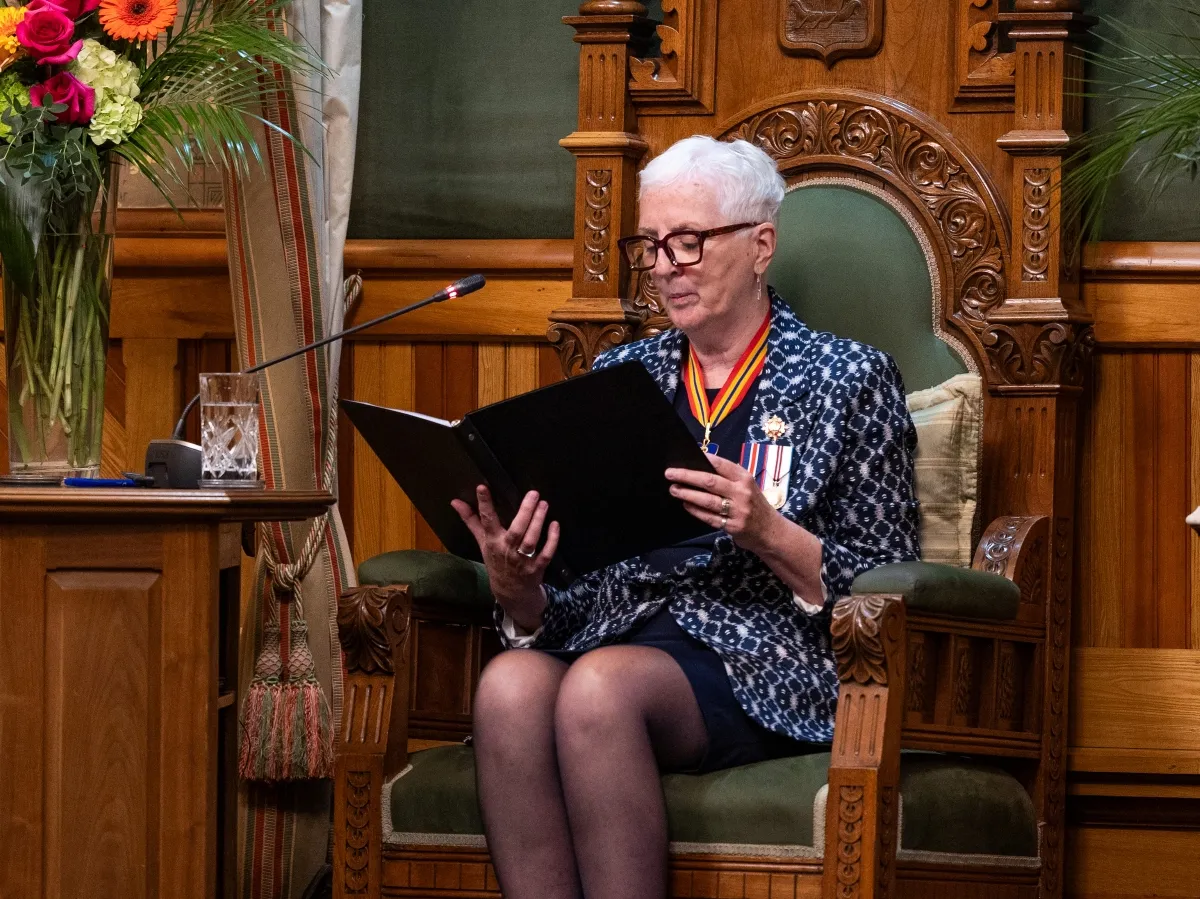
Skip to Content Subscribe Our Offers My Account Manage My Subscriptions FAQ Newsletters Canada Canadian True Crime Canadian Politics Health World Israel & Middle East Financial Post NP Comment Longreads Puzzmo Diversions Comics NP News Quiz New York Times Crossword Horoscopes Life Eating & Drinking Style Sponsored Play for Ontario Travel Travel Canada Travel USA Travel International Cruises Travel Essentials Culture Books Celebrity Movies Music Theatre Television Business Essentials Advice Lives Told Tails Told Shopping Buy Canadian Home Living Outdoor Living Kitchen & Dining Tech Style & Beauty Personal Care Entertainment & Hobbies Gift Guide Travel Guide Amazon Prime Day Deals Savings National Post Store More Sports Hockey Baseball Basketball Football Soccer Golf Tennis Driving Vehicle Research Reviews News Gear Guide Obituaries Place an Obituary Place an In Memoriam Classifieds Place an Ad Celebrations Working Business Ads Archives Healthing Epaper Manage Print Subscription Profile Settings My Subscriptions Saved Articles My Offers Newsletters Customer Service FAQ Newsletters Canada World Financial Post NP Comment Longreads Puzzmo Diversions Life Shopping Epaper Manage Print Subscription HomeNP CommentJamie Sarkonak: Unilingual Canadians are inferior in the Supreme Court's eyesChief Justice Richard Wagner gives himself the power of a kingLast updated 11 minutes ago You can save this article by registering for free here. Or sign-in if you have an account.Lt.-Gov. Brenda Murphy delivers the Susan Holt-led Liberal government's first Speech from the Throne in the New Brunswick Legislature in Fredericton on Tuesday afternoon. Photo by GNB/SubmittedCanada used to be a bilingual country, in that our institutions could accommodate speakers of either official language. That age came to a resounding close on Friday, when a majority of the Supreme Court banned the appointment of unilingual speakers to a bilingual government office.Enjoy the latest local, national and international news.Exclusive articles by Conrad Black, Barbara Kay and others. Plus, special edition NP Platformed and First Reading newsletters and virtual events.Unlimited online access to National Post.National Post ePaper, an electronic replica of the print edition to view on any device, share and comment on.Daily puzzles including the New York Times Crossword.Support local journalism.Enjoy the latest local, national and international news.Exclusive articles by Conrad Black, Barbara Kay and others. Plus, special edition NP Platformed and First Reading newsletters and virtual events.Unlimited online access to National Post.National Post ePaper, an electronic replica of the print edition to view on any device, share and comment on.Daily puzzles including the New York Times Crossword.Support local journalism.Create an account or sign in to continue with your reading experience.Access articles from across Canada with one account.Share your thoughts and join the conversation in the comments.Enjoy additional articles per month.Get email updates from your favourite authors.Create an account or sign in to continue with your reading experience.Access articles from across Canada with one accountShare your thoughts and join the conversation in the commentsEnjoy additional articles per monthGet email updates from your favourite authorsSign In or Create an AccountorThe case before the court had been brought by an Acadian activist group that challenged the appointment of a non-French-speaker, Brenda Murphy, to the position of lieutenant governor of New Brunswick. Six of the Supreme Court’s nine judges agreed with the Acadians, concluding that the lieutenant governor must speak both English and French. Appointing an anglophone, they said, constituted a violation of the Charter, in particular the equality rights of francophones.“Where an institution is unipersonal, where some of the institution’s constitutive functions cannot be delegated and where it publicly expresses itself through the person embodying it, equality of status cannot be achieved in the institution unless that person is able to understand and speak each of the two official languages,” wrote Chief Justice Richard Wagner for the majority. This is the first time the term “unipersonal” has been used by a Canadian court (outside of a quote or a title).This newsletter from NP Comment tackles the topics you care about. (Subscriber-exclusive edition on Fridays)By signing up you consent to receive the above newsletter from Postmedia Network Inc.We encountered an issue signing you up. Please try againThe rule going forward is this: to fulfill the Charter right to the “substantive equality” of francophones, government appointees must be bilingual in cases where the institution of their office “is constitutionally inseparable from its sole office holder,” where their role is “uniquely symbolic” and where their functions “cannot be performed by anyone else.”The lieutenant governor of New Brunswick is “one such institution,” Wagner concluded. The chief justice didn’t go as far as invalidating Murphy’s appointment, though. Her term ended in January 2025.Wagner further supported his proclamation by pointing to the means of selecting the office-holder. With democratic representatives, the population can reject unilingual candidates in an election. With office-holders who are appointed, voters have no such recourse. He ignored the fact that his own unelected and unaccountable self had just assumed the power of kings, deciding who is eligible for high office based on his own personal convictions.Indeed, there is nothing in the Constitution that actually supports Wagner’s new belief in radical bilingualism: the Constitution Act of 1867 is clear that it’s the governor general’s job to appoint the lieutenant governor of New Brunswick; it doesn’t specify anything about the individual’s linguistic abilities.Wagner saw a blank and filled it in with the Constitution Act of 1982, in particular the part that states, “English and French are the official languages of New Brunswick and have equality of status and equal rights and privileges as to their use in all institutions of the legislature and government of New Brunswick.” He massaged this into an invisible wall barring Canada’s head of state from selecting an anglophone lieutenant governor.“Language rights serve a threefold purpose: preventive, remedial and unifying,” went his justification. “Their interpretation must take into account the historical wrongs that made their entrenchment necessary, and it must be anchored in the social, demographic and historical realities specific to each province.”While he didn’t write that his decision also applied to the governor general — perhaps he sensed that the optics would be terrible — we should expect it to. Indeed, the three judges who disagreed with him on this case saw it that way.There’s nothing stopping Wagner and co. from adding similar requirements to other constitutional offices, like senators. The Supreme Court has now set a precedent that it’s perfectly fine to use the Charter to restrict eligibility from various posts that have existed in Canada since 1867.By the logic of “substantive equality” and “historical wrongs,” Wagner could chain the Senate to race- and sex-based quotas, for example. Even senior civil servants, if their role passes the court’s vibe-check for uniqueness and symbolicness, could find themselves bound by the court’s radical identity and linguistic benchmarks.Members of Parliament seem to be safe for now, as Wagner ruled that dirty unilinguals get a pass when they are elected, but give it a few years and he may adopt a more radical position — judicial constraint has never been his forte, and that’s not about to change.The Supreme Court was correct that the selection of high-office appointments is important and that symbolic roles must be selected carefully in the absence of voter input. But it ends there. The judges maliciously interpreted the Constitution, inserted their own political preferences into the list of requirements for executive-branch appointments, placed themselves into the role of appointment-maker and had the nerve to lecture Canadians about the importance of symbolism and democracy.The handful of people who are so enlightened on topics like symbolism should know that the court sent a very clear message: unilingual official-language speakers are lesser Canadians than their bilingual cousins. If you speak only English or only French — if you weren’t lucky enough to be born in the limited number of bilingual regions in this country — you deserve to be locked out of the most powerful offices of the state. Even though translation technology has never been better, and radical bilingualism was never a Canadian tradition until just recently.This just so happens to align with Liberal bilingualism mandates for executive roles in the federal government, Supreme Court judges and even private-sector bank managers. There has always been a democratic solution to these problems — vote out the Liberals and change the law — but now, we have to wonder: would the eminent Supreme Court take those decisions out of our hands, too?National Post Get the latest from Jamie Sarkonak straight to your inbox Join the Conversation This website uses cookies to personalize your content (including ads), and allows us to analyze our traffic. Read more about cookies here. By continuing to use our site, you agree to our Terms of Use and Privacy Policy.
Jamie Sarkonak: Unilingual Canadians are inferior in the Supreme Court's eyes
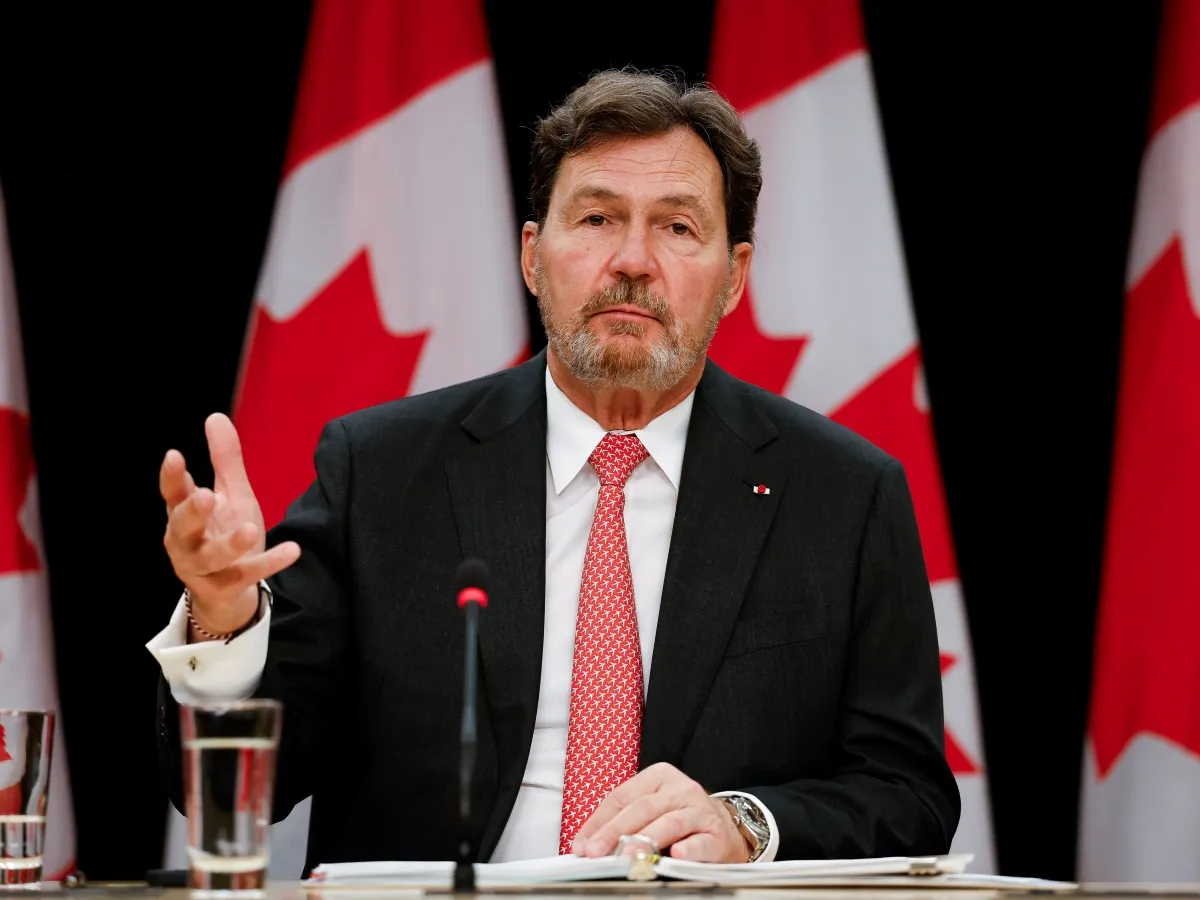
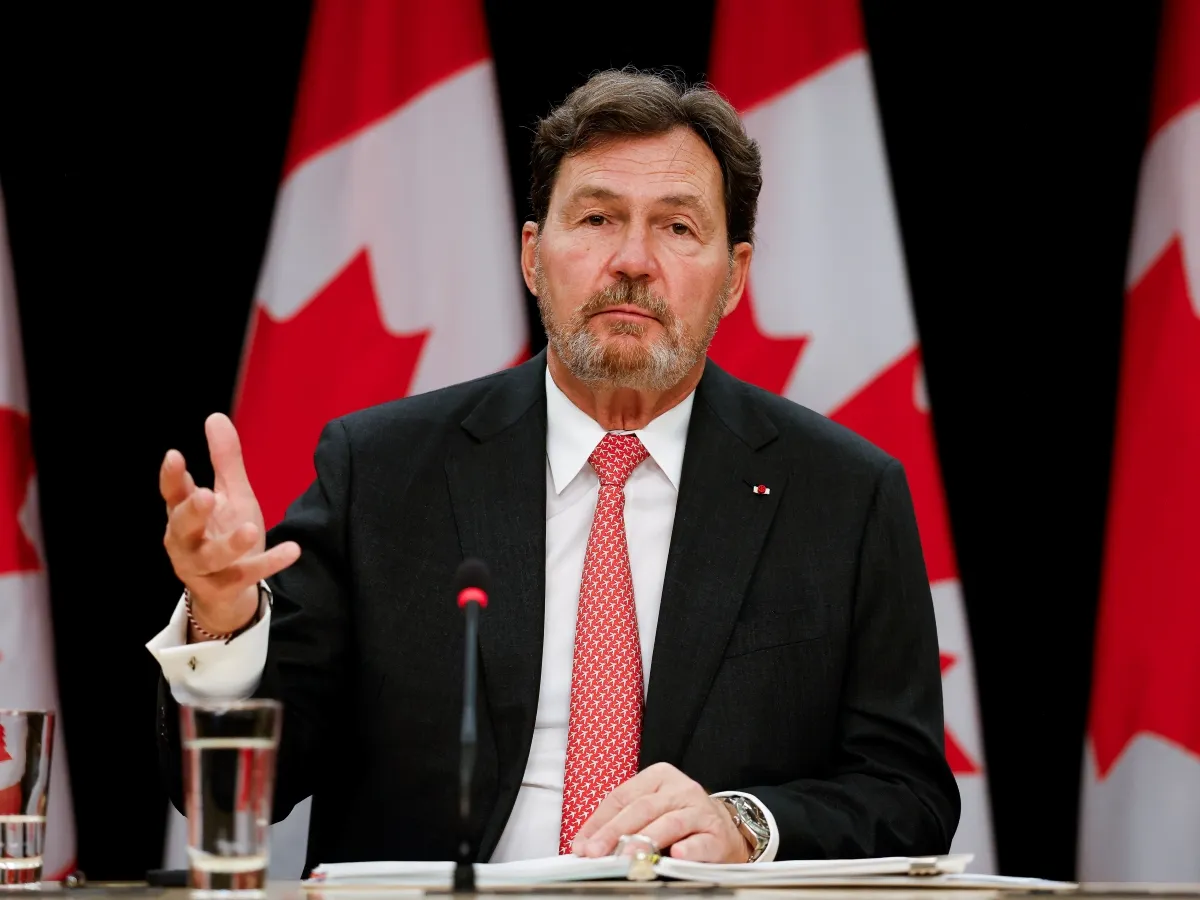
Chief Justice Richard Wagner gives himself the power of a king
1,433 words~7 min read