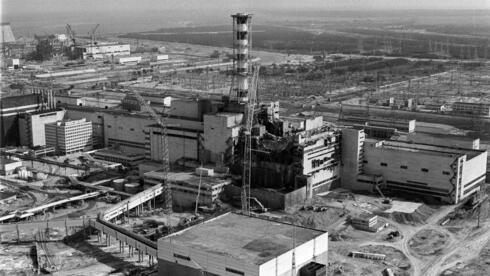
The global nuclear energy industry has been muted since 2011, when the Fukushima Daiichi disaster unfolded in Japan. Some new reactors have been built — especially in China — but a lot of old nuclear power plants have been retired as well.
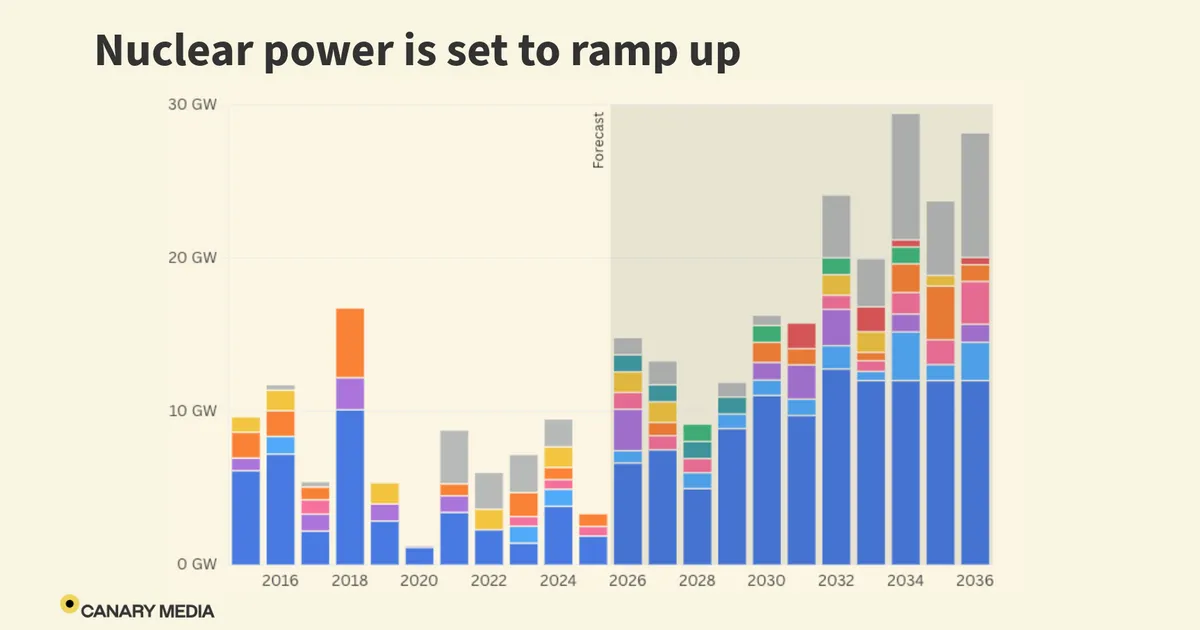
That means nuclear energy has been “running in place” for well over a decade, as a new report from BloombergNEF puts it. But now, the market is changing — and BNEF’s analysts predict that the sector is poised to break out in a sprint.
BNEF forecasts that global nuclear energy capacity will rise to 535 gigawatts by 2036, a 44% increase from last year’s installed capacity of 372 GW.
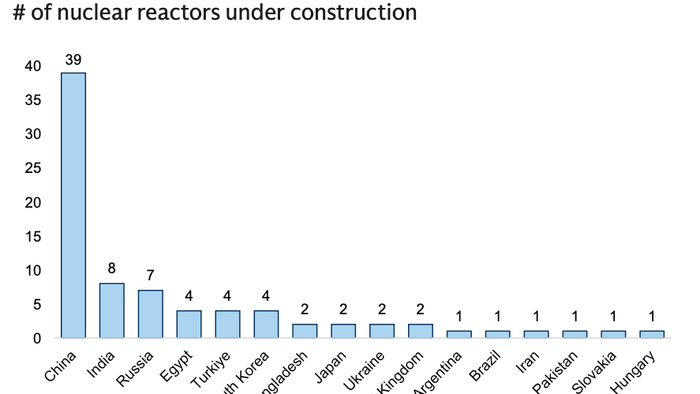
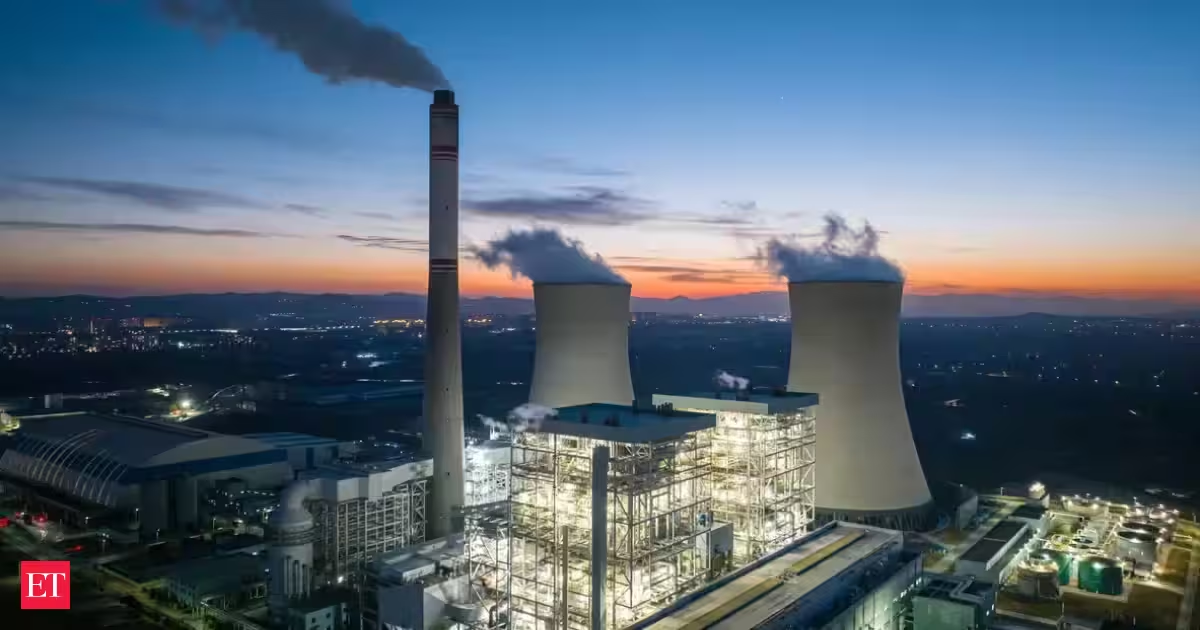
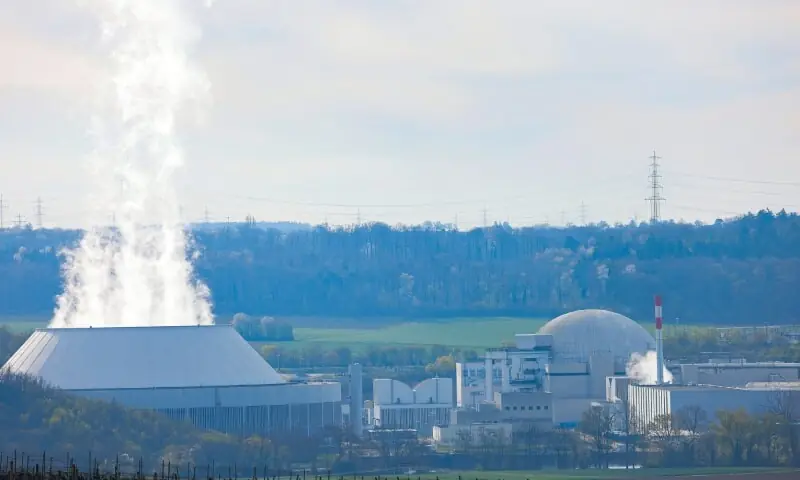
A simple reason for the optimistic forecast is that a lot of reactors are under construction worldwide: 76, according to BNEF, as of the first half of this year. Almost every single one is a conventional large-scale reactor, as opposed to a buzzy new small nuclear reactor. Those units represent 83 GW of new capacity on their own.
Nuclear energy’s turnaround comes as countries look to decarbonize their power grids, as it’s a readily available source of carbon-free electricity. It’s also just a big source of electricity, period — and global demand for power is rising fast. Several countries, including Japan, have also shown renewed interest in nuclear energy in light of the Iran war, which has roiled global oil and gas markets.