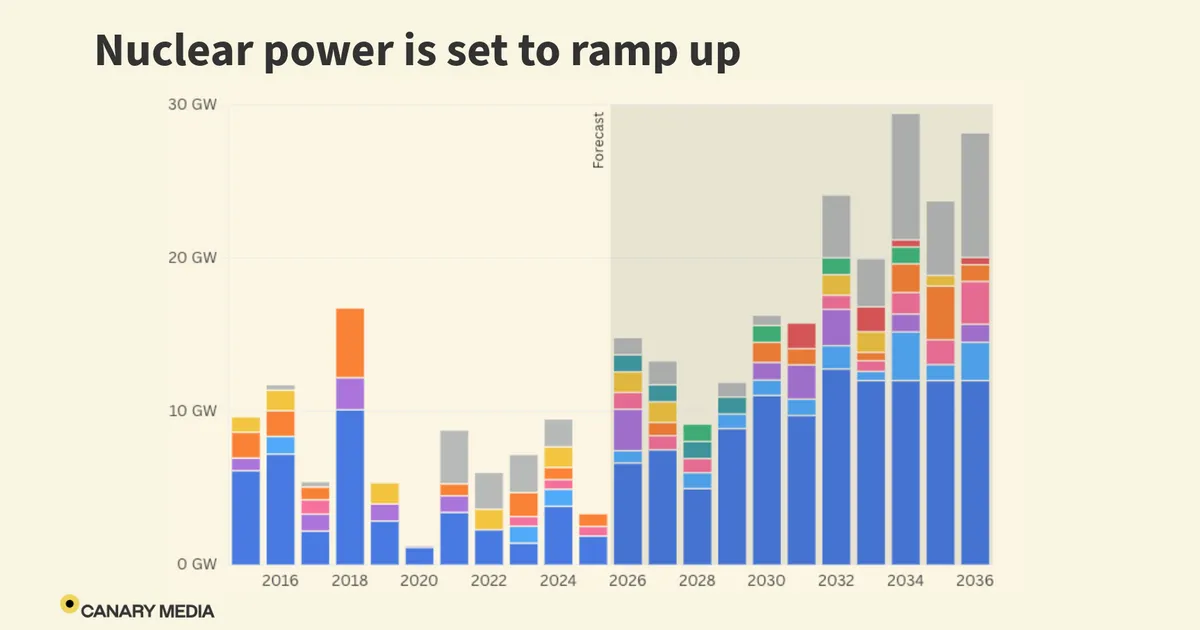
Nuclear energy is on the rise again worldwide. The reason for this is not just the climate crisis. Electricity demand is growing, industry is shifting toward electrification, and data centers and artificial intelligence infrastructures require uninterrupted power 24 hours a day. The International Energy Agency (IEA) forecasts that nuclear electricity production will reach a new record in 2026 and continue to grow in 2027. During the same period, the majority of the global increase in electricity production will come from renewables and nuclear energy.
This picture has once again positioned nuclear energy as the energy of the future. The World Bank and the International Atomic Energy Agency (IAEA)’s decision to deepen cooperation in nuclear energy, safety, and waste management in 2025 was a clear institutional signal of this shift. The message was particularly clear for developing countries. Nuclear energy is no longer merely an option for a few major economies; it has returned to the center of discussions on energy security, industrialization and decarbonization.
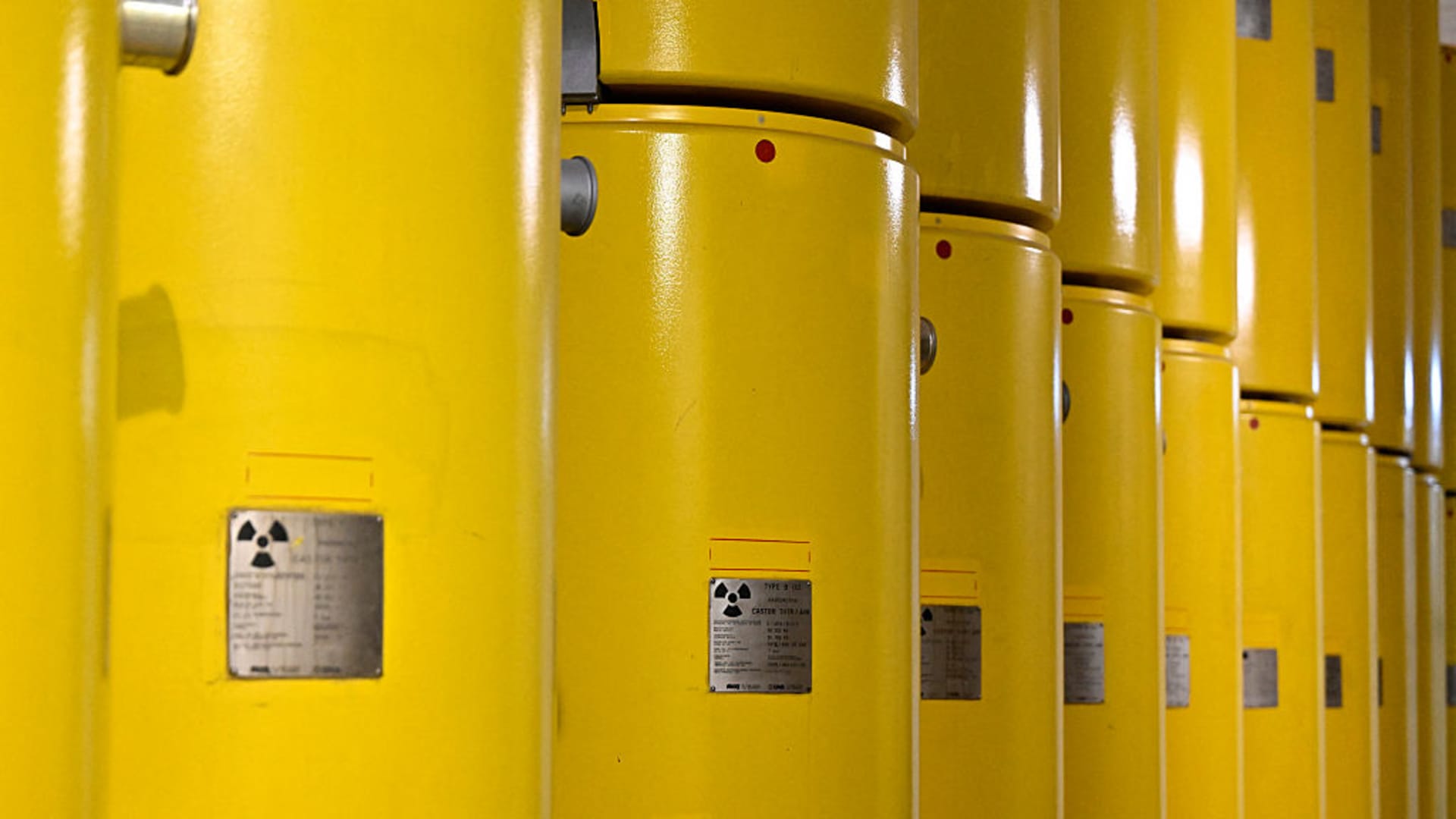
But behind this transformation’s glittering illusion lies a more challenging issue that politicians often brush aside with brief remarks: nuclear waste. Today, the true test of seriousness, whether in defending or criticizing nuclear energy, begins here. Because building a reactor is an engineering matter, while managing its waste over a timescale of thousands of years is a matter of civilization.