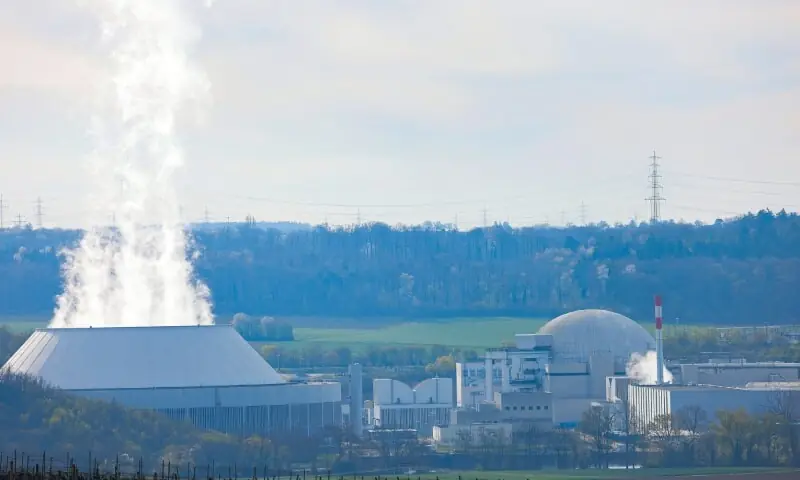
THE global conversation around nuclear energy has fundamentally changed. Only a decade ago, many countries questioned the future role of nuclear power. Today, the question is no longer whether nuclear energy is necessary, but whether the world is ready to deploy it at the speed and scale required.
The reasons behind this renewed interest are clear. The global transition toward net-zero emissions has increased the need for reliable, large-scale, low-carbon electricity. Renewable energy will continue to expand rapidly, but modern energy systems also require stable power sources that can operate regardless of weather conditions.
At the same time, recent geopolitical uncertainties have reminded countries that energy security and climate goals cannot be separated. Nuclear energy is increasingly viewed not only as a clean energy source but also as a strategic asset.
Another major driver is electrification. Transportation, manufacturing, industrial processes and heating systems are gradually shifting from fossil fuels to electricity.
Most recently, artificial intelligence has added a completely new dimension to the energy discussion. AI data centers require enormous amounts of stable, high-quality electricity around the clock. In the digital economy, reliable electricity is becoming a foundation for national competitiveness.