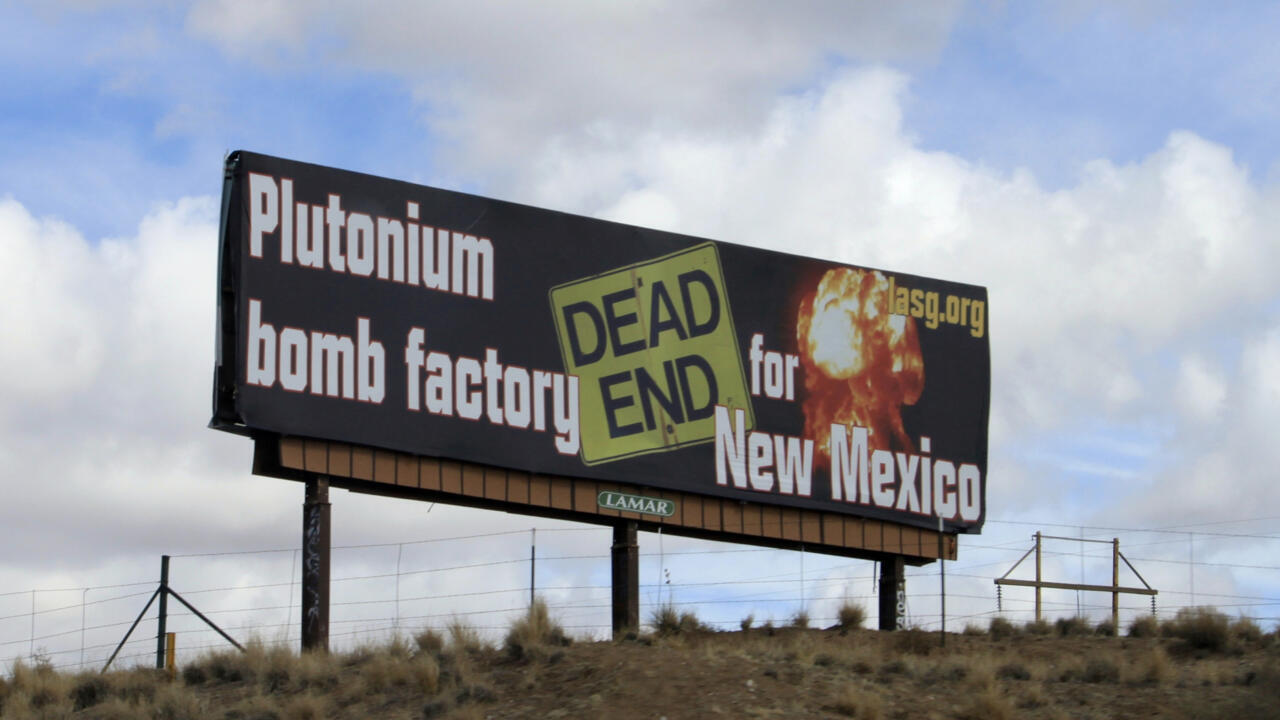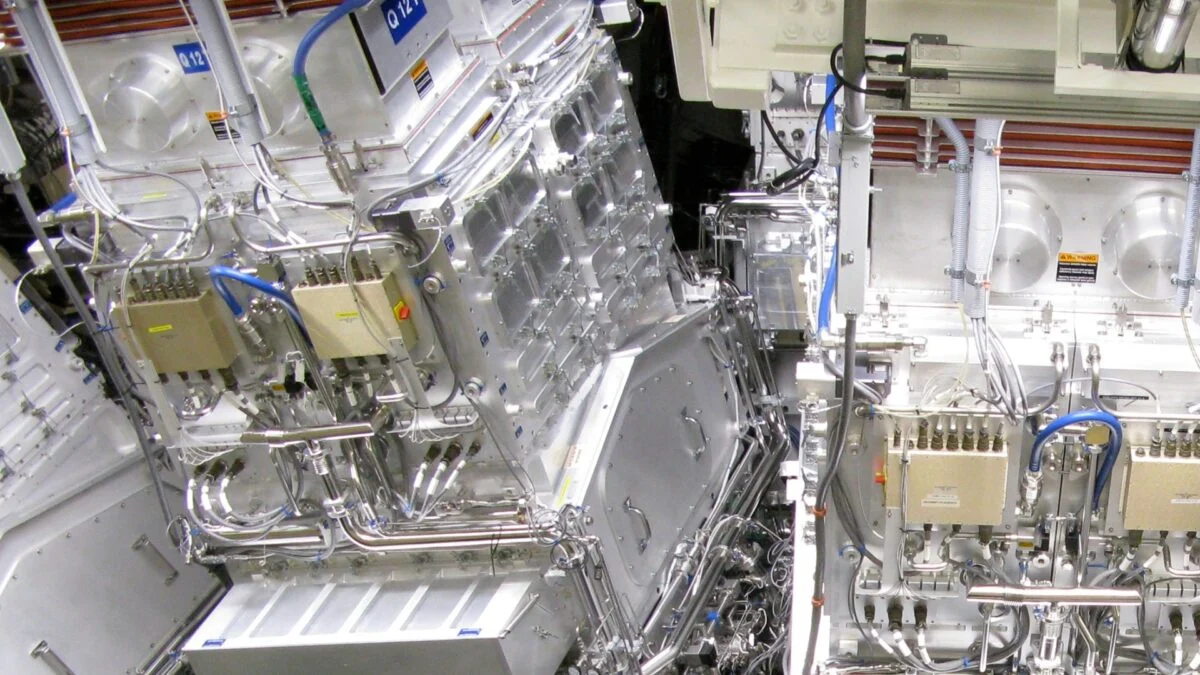
As nuclear energy regains favor around the globe, competition for nuclear fuel is heating up. In an era of multiple and compounding energy crises driven by conflict, climate, and the power-hungry artificial intelligence boom, nuclear has resurfaced as a highly strategic option for building up energy security and independence for many nations around the world. But nuclear fuels supply chains are highly concentrated, and many of them are controlled by Russia, presenting critical geopolitical tradeoffs.Today, there are only five plants in the world that operate large-scale uranium conversion, and half of that capacity is in the hands of the Kremlin, resulting in a critical resource bottleneck and geopolitical pain points. Accordingly, "U.S. nuclear energy faces fuel supply chain vulnerabilities, with tight uranium supplies, geopolitical risks, and rising costs threatening both existing reactors costs and advanced reactor development," according to a January report from Stanford Energy.It is therefore in the United States' strategic interest to build up alternative nuclear fuel supply chains, preferably home- and friend-shored ones. But it's a little late for the United States to get a foothold in alternative uranium markets, as Russia and China, which never saw a decline in their respective nuclear sectors, have already been cornering them for years."Russian and Chinese players have been very keen to secure access to resources in central Asia and Africa, creating a very aggressive competitive environment," Benjamin Godwin at Prism Strategic Intelligence told the Financial Times last year.Set OilPrice.com as a preferred source in Google here.The United States is taking steps to build up its own uranium supply chains, as the country is home to plentiful natural reserves of the 92nd element. But the country is also home to another vast reserve of nuclear fuel that is far more readily accessible -- decades of stockpiled nuclear waste. Research into recycling spent nuclear fuel indicates that resource utilization could be boosted by a jaw-dropping 95 percent."Used nuclear fuel is an incredible untapped resource in the United States," Assistant Secretary for Nuclear Energy Ted Garrish told World Nuclear News back in February. "The Trump Administration is taking a common-sense approach to making sure we're using our resources in the most efficient ways possible to secure American energy independence and fuel our economic growth."And now the Trump administration is looking to a new, and significantly more controversial, source of recycled nuclear fuel -- cold-war era nuclear warheads. The government wants to convert weapons-grade plutonium into viable nuclear fuel as part of the Trump administration's aim to "reestablish the United States as the global leader in nuclear energy.The United States is sitting on more than 50 tons of plutonium left behind by nuclear weapons programs. The Department of Energy had previously planned to dilute and bury the hazardous material, but the Trump administration wants to give it new life in nuclear reactors and has entered into "advanced negotiations" with a handful of nuclear startups to begin the process of selling the plutonium for use as nuclear fuel."A lack of fuel is one of the biggest choke points in expanding nuclear power right now," said Jacob DeWitte, the chief executive of Oklo, one of the companies in conversation with the Trump administration about acquiring plutonium to power its next-gen small nuclear reactors. "This will help us get more nuclear power online faster."While it seems like a win-win for nuclear waste cleanup and clean energy development in the United States, some critics are concerned about safety and security implications of the deal. Currently, this highly dangerous, weapons-grade material is kept in a highly regulated and secure environment. Selling it to energy companies would significantly compromise oversight. "The plan has generated debate and some unease among nonproliferation experts," the New York Times reports. "If finalized, it would mark the first time the U.S. government has made weapons-grade plutonium available to private companies."By Haley Zaremba for Oilprice.comMore Top Reads From Oilprice.comSouth Korea Locks In Canadian Crude, LNG in Sweeping Supply OverhaulIraq Targets 770,000 bpd Through Ceyhan as Southern Output Climbs BackIndia’s Oman Bet Looks Timely As Hormuz Crisis Deepens
Nuclear Startups Are in
The Trump administration is in advanced talks with nuclear startups to convert over 50 tons of weapons-grade plutonium into reactor fuel, raising energy and nonproliferation questions.
672 words~3 min read