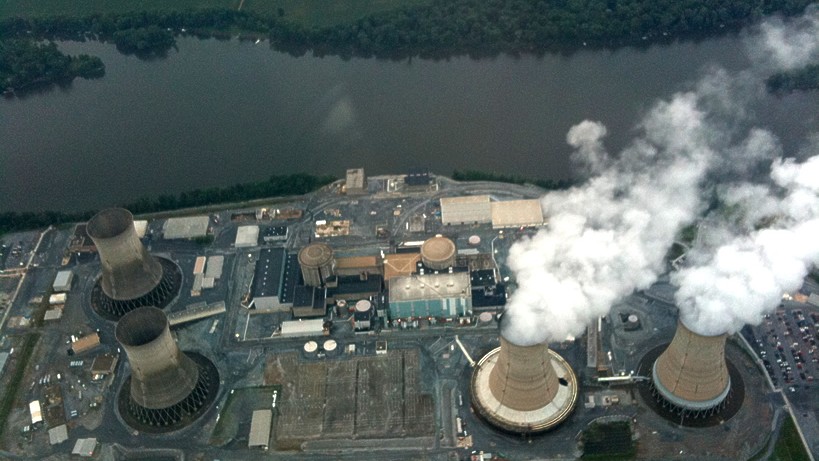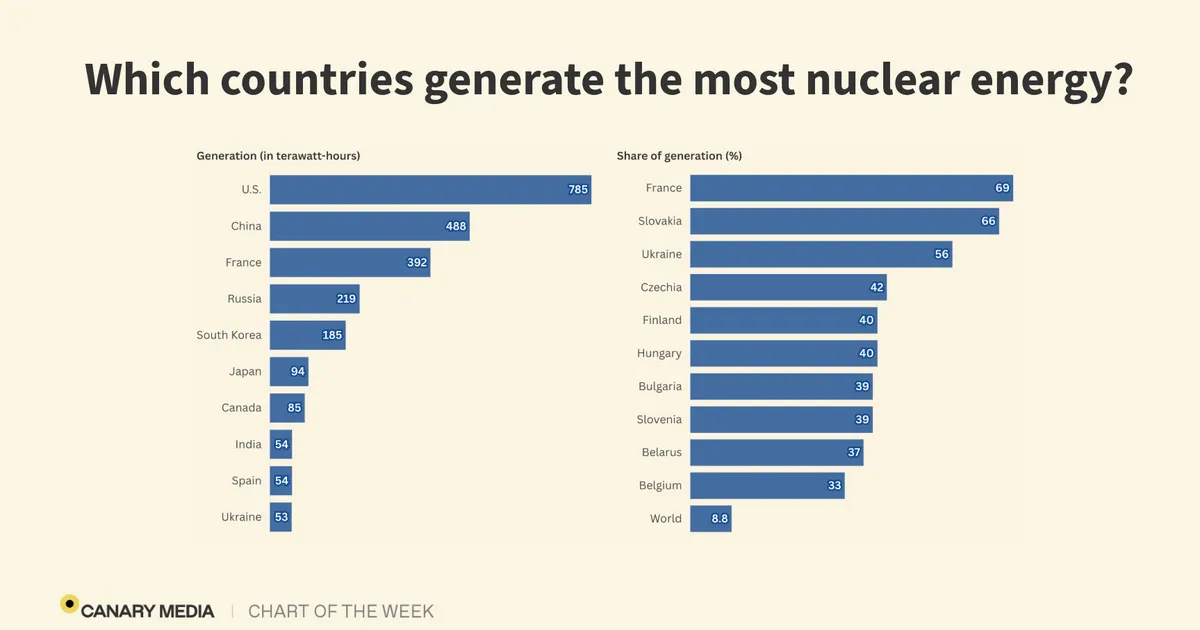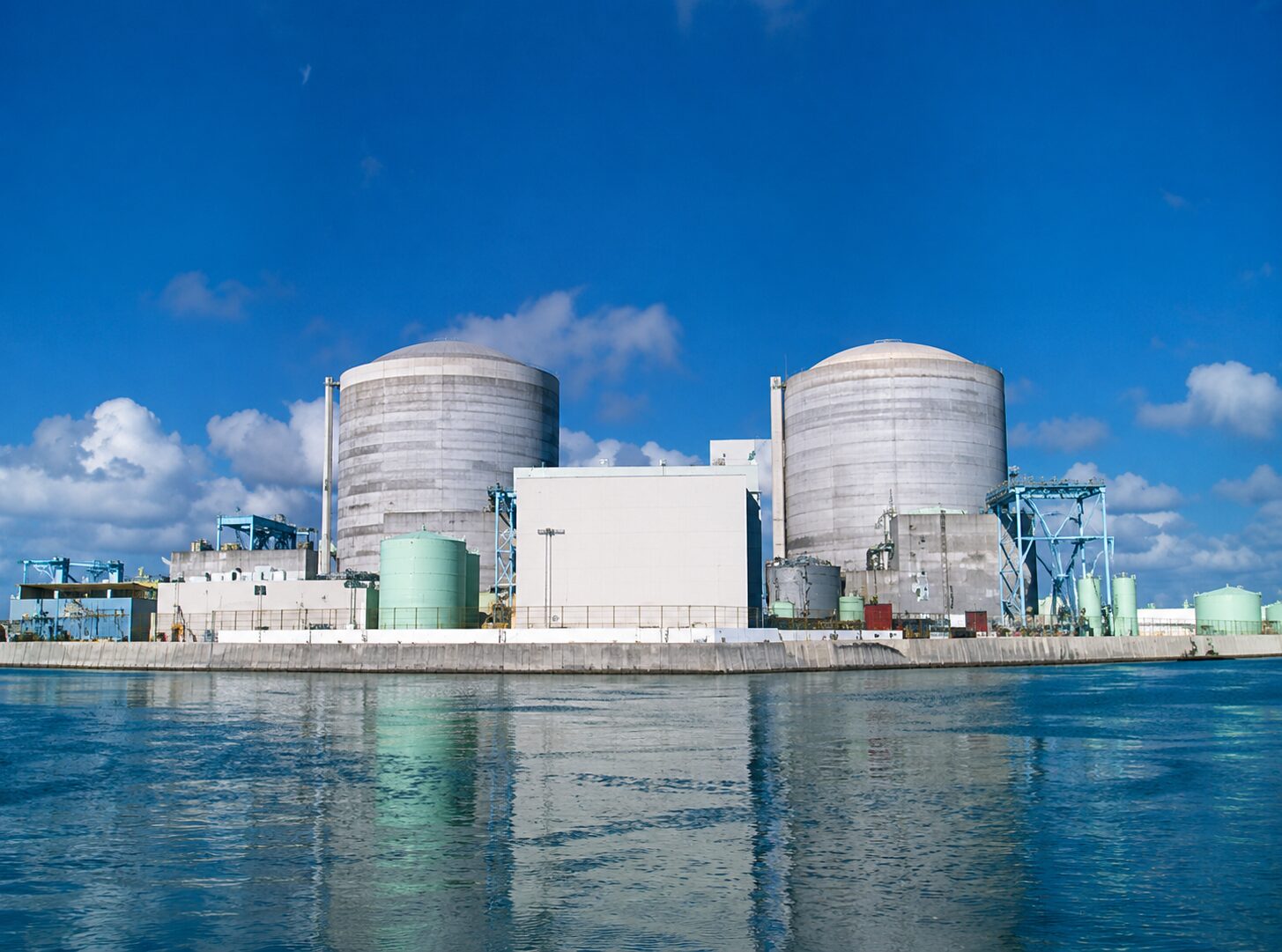
The United States is experiencing a nuclear energy renaissance, driven by surging electricity demand from artificial intelligence, data centers, electrification, and advanced manufacturing. Nuclear power—already providing 19 percent of US electricity and 55 percent of its carbon‑free generation with ninety-four reactors in twenty-eight states—remains the nation’s most reliable source of firm, clean power at scale.
The United States has accelerated efforts toward new nuclear deployment and expanding the nuclear supply chain capacity even further. Yet states cannot rely solely on these actions to enable this expansion. As electricity demand grows, states must proactively shape the policy, economic, and regulatory environment necessary to build new nuclear reactors and their supply chains.
States have started this process with different approaches. In 2025, forty-five states introduced more than 350 nuclear‑related bills and enacted sixty, following a comparable record from the previous year across forty-three states. These legislative initiatives have focused on enabling financial incentives, cost recovery, generation/off-taker co-location, feasibility studies, and the classification of nuclear as a clean energy priority. However, these measures will remain merely symbolic if states don’t appropriate funding to bring them to fruition.