In the U.S. and Europe, a long-wary public has started to warm once again to the sector. Taiwan, which shuttered its last nuclear power plant last May, is looking to restart at least one facility in the wake of the energy crisis spurred by the Iran war. Fifteen years after the Fukushima nuclear disaster, Japan is now hoping to double its nuclear fleet over the next decade and a half.
But which countries lead the way on this source of carbon-free energy? It depends on how you look at it.
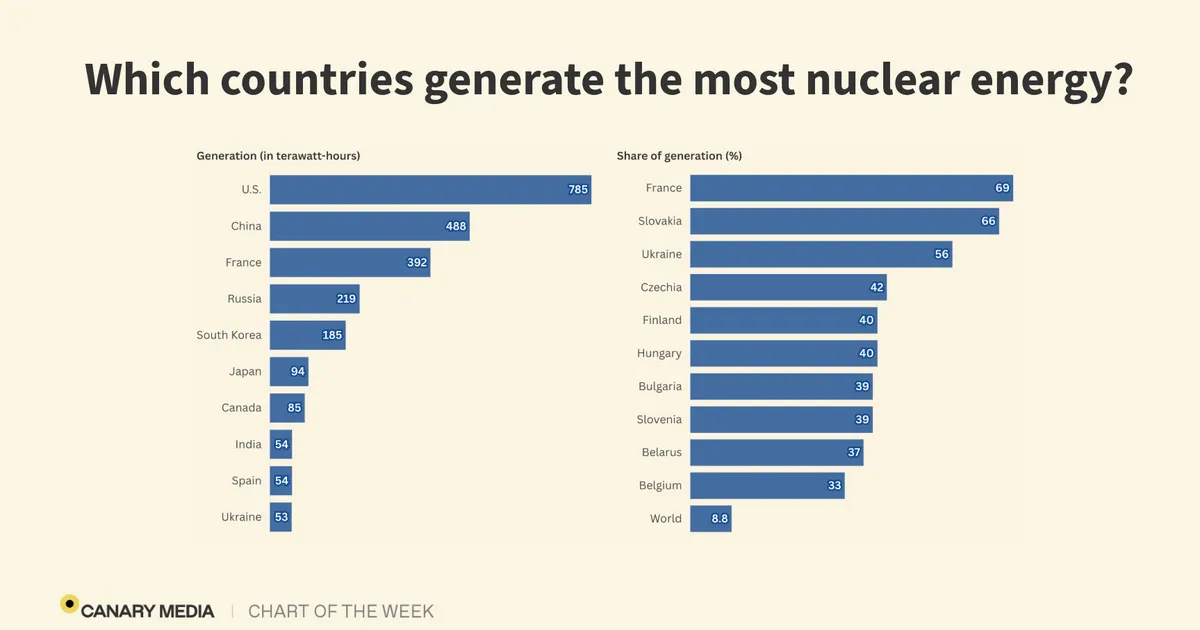
The U.S., the longtime global leader on nuclear, is still at the top of the heap in terms of pure electrical output, followed by China, according to data from think tank Ember. While France is third in terms of production, it gets the highest share of its needs met by atomic power, the result of a push in the 1970s to make the country energy independent. Russia — which completed the world’s first nuclear power plant under the Soviets in 1954 — is fourth in terms of total electricity. South Korea rounds out the top five.
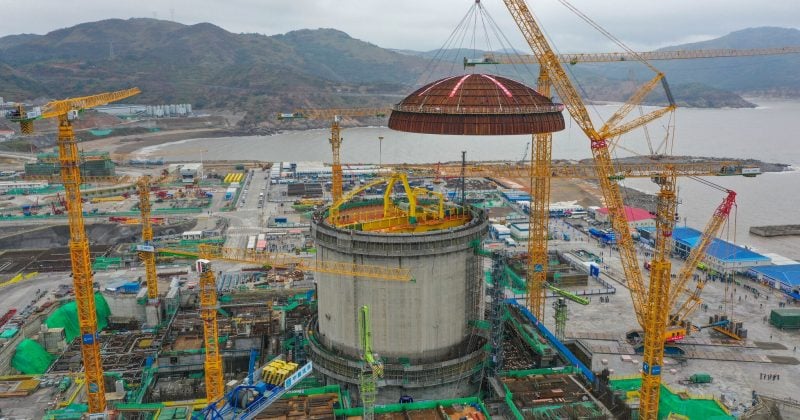
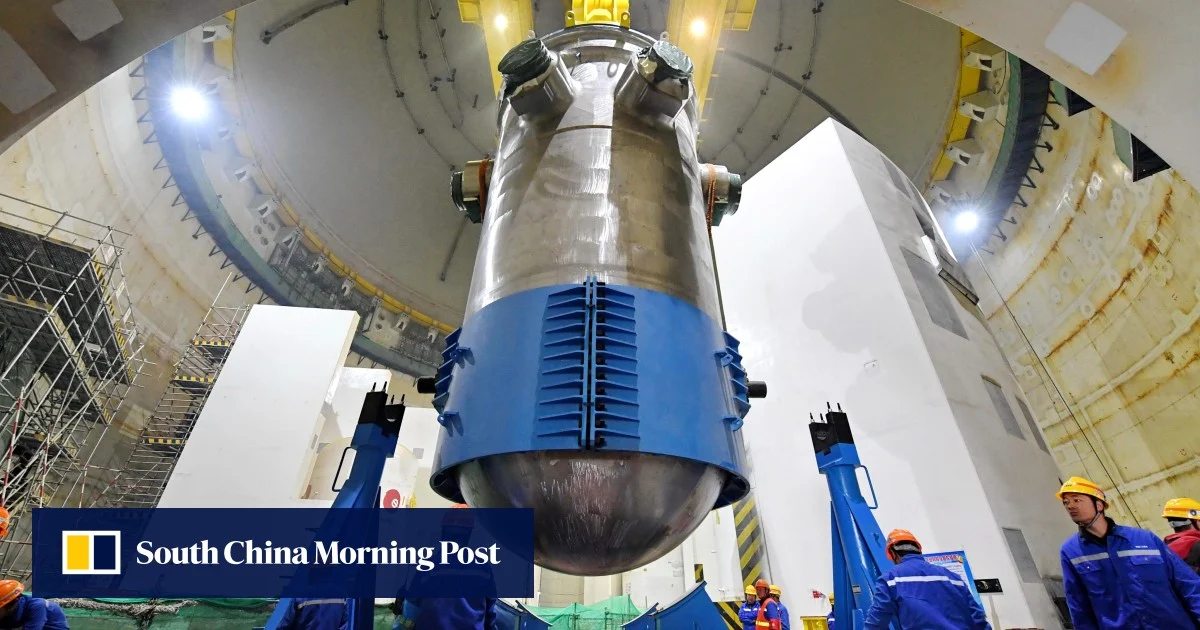
As for what’s in store, China is developing new reactors at a far faster rate than any other country.
The nation has 60 nuclear reactors in operation, and it’s actively building another three dozen or so. To put it in context: Nearly half of all nuclear power plants under construction worldwide are in China. No other country is even in double digits.