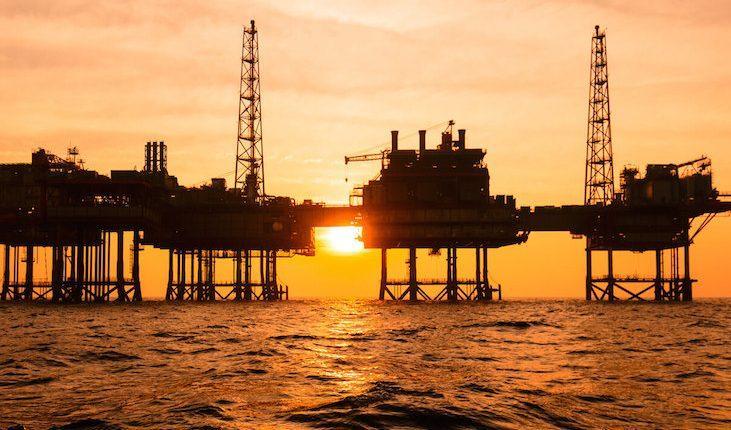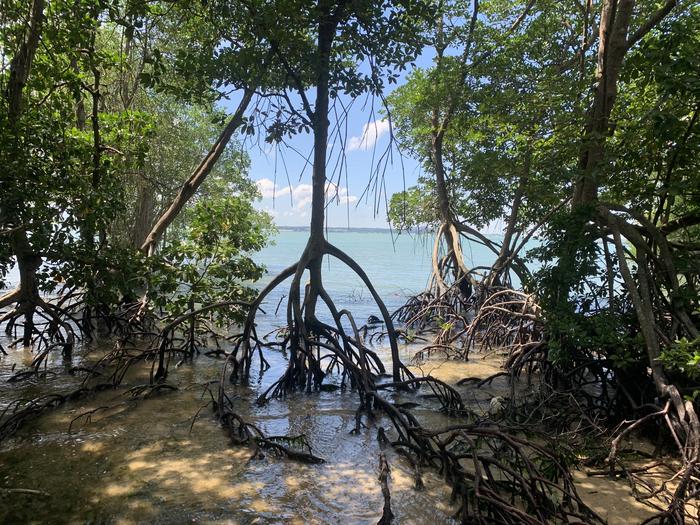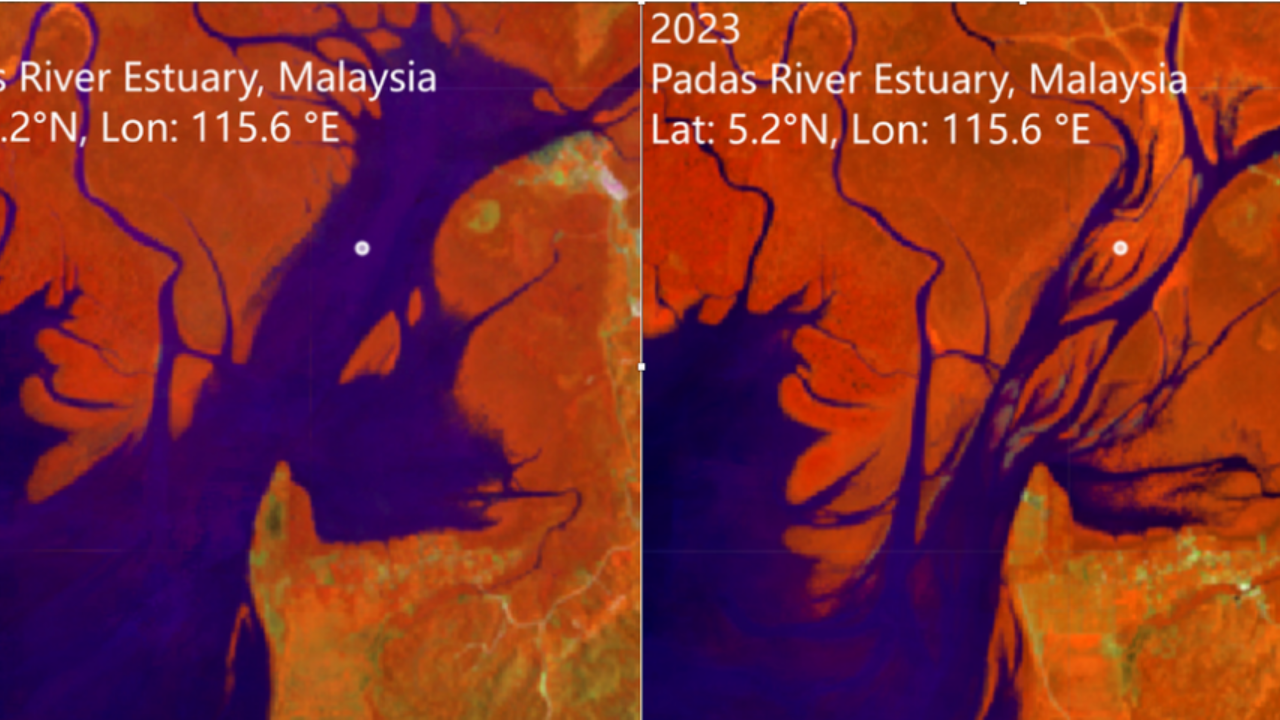
Nigeria and the world are bleeding biodiversity at an alarming rate. Globally, the United Nations (UN) reports that 420 million hectares of forest, which is roughly the size of the European Union, have been lost since 1990, with mangroves vanishing even faster at 35 per cent of their original extent. In Nigeria, the Niger Delta’s mangrove forests have shrunk by over 40 per cent in the last three decades due to oil pollution, urban sprawl, and aquaculture, wiping out genetic capitals like rare fish species, migratory birds, and resilient plant varieties. This deforestation cascades into dire threats. Rising sea levels erode coastlines. Intensified storms like those ravaging Lagos flood communities. Polluted waters poison fisheries that feed millions. And lost carbon sinks accelerate global warming, portending famines, mass displacements, and economic collapse.
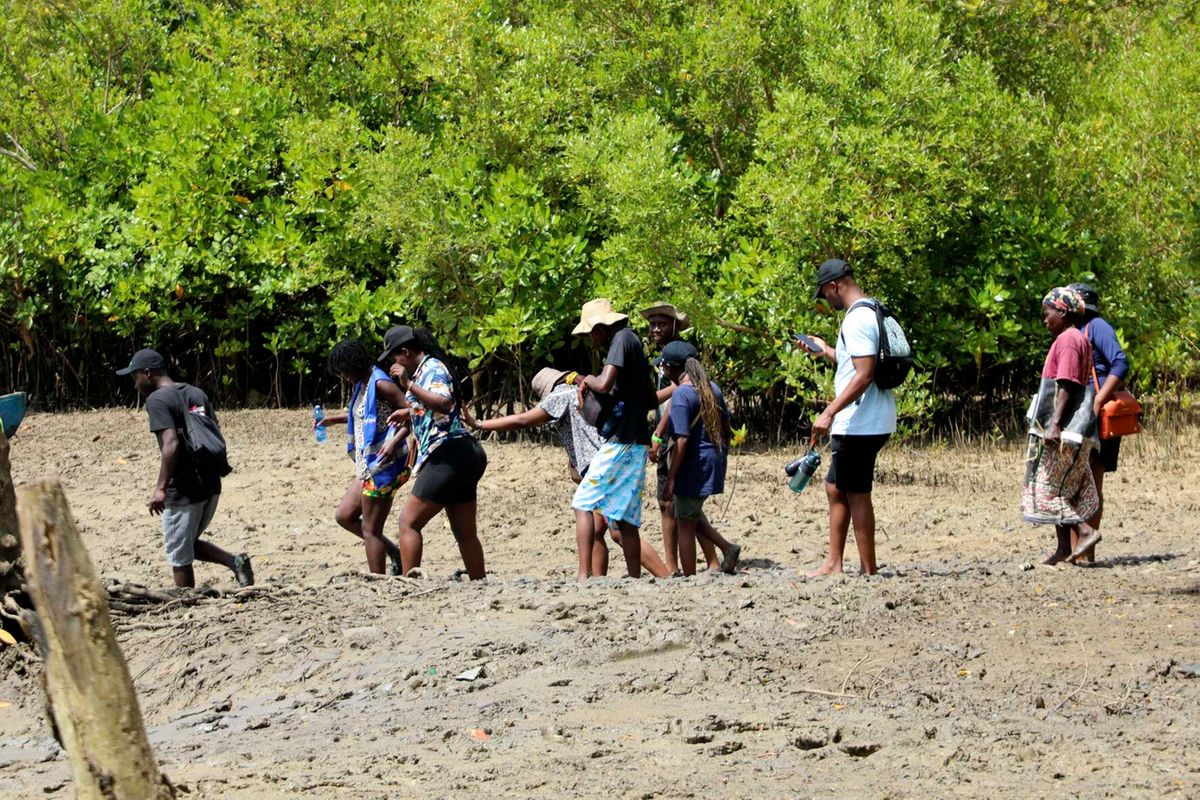
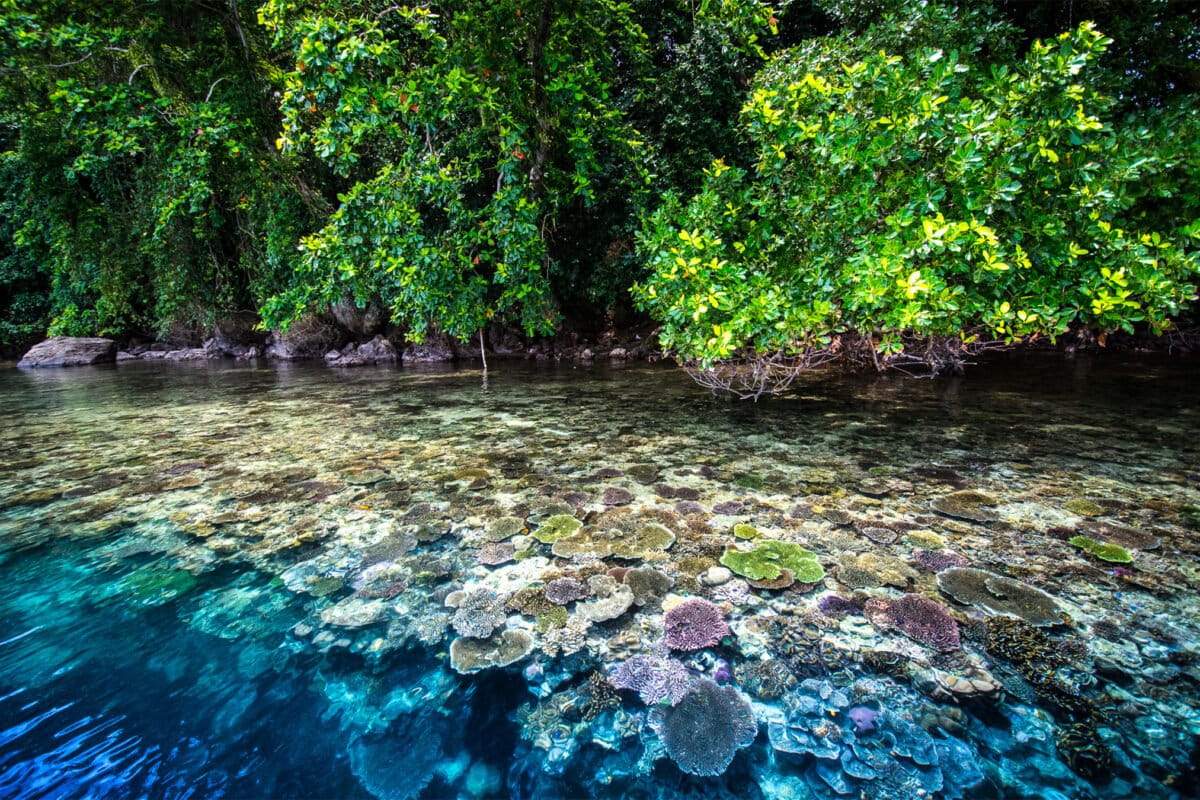
These losses demand urgent action, and mangrove restoration offers a proven lifeline. Restoration involves replanting native species, rehabilitating soils and hydrology, and safeguarding regrowth, directly countering deforestation from agriculture, infrastructure, and pollution. The payoffs are immense: mangroves absorb up to four times more carbon per hectare than terrestrial forests, their “blue carbon” soils locking away CO2 for centuries. They shield coasts from erosion and surges, revive fish nurseries to boost biodiversity and fisheries, filter pollutants for cleaner waters, and sustain livelihoods through fishing, honey harvesting, and ecotourism.