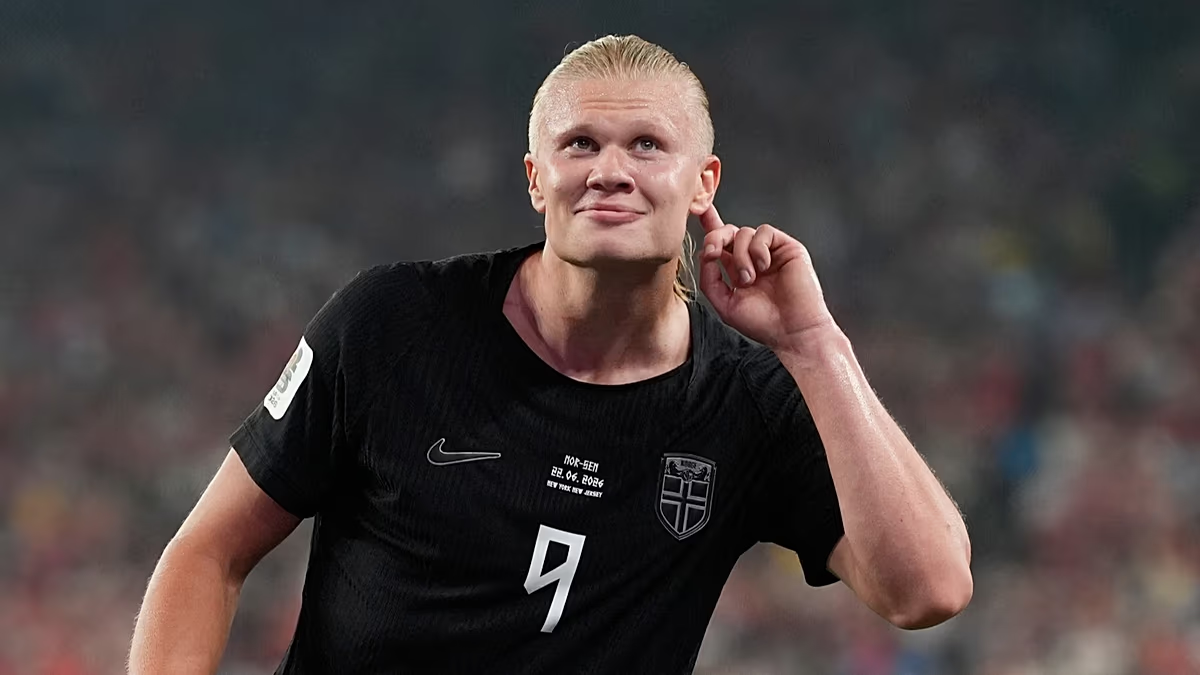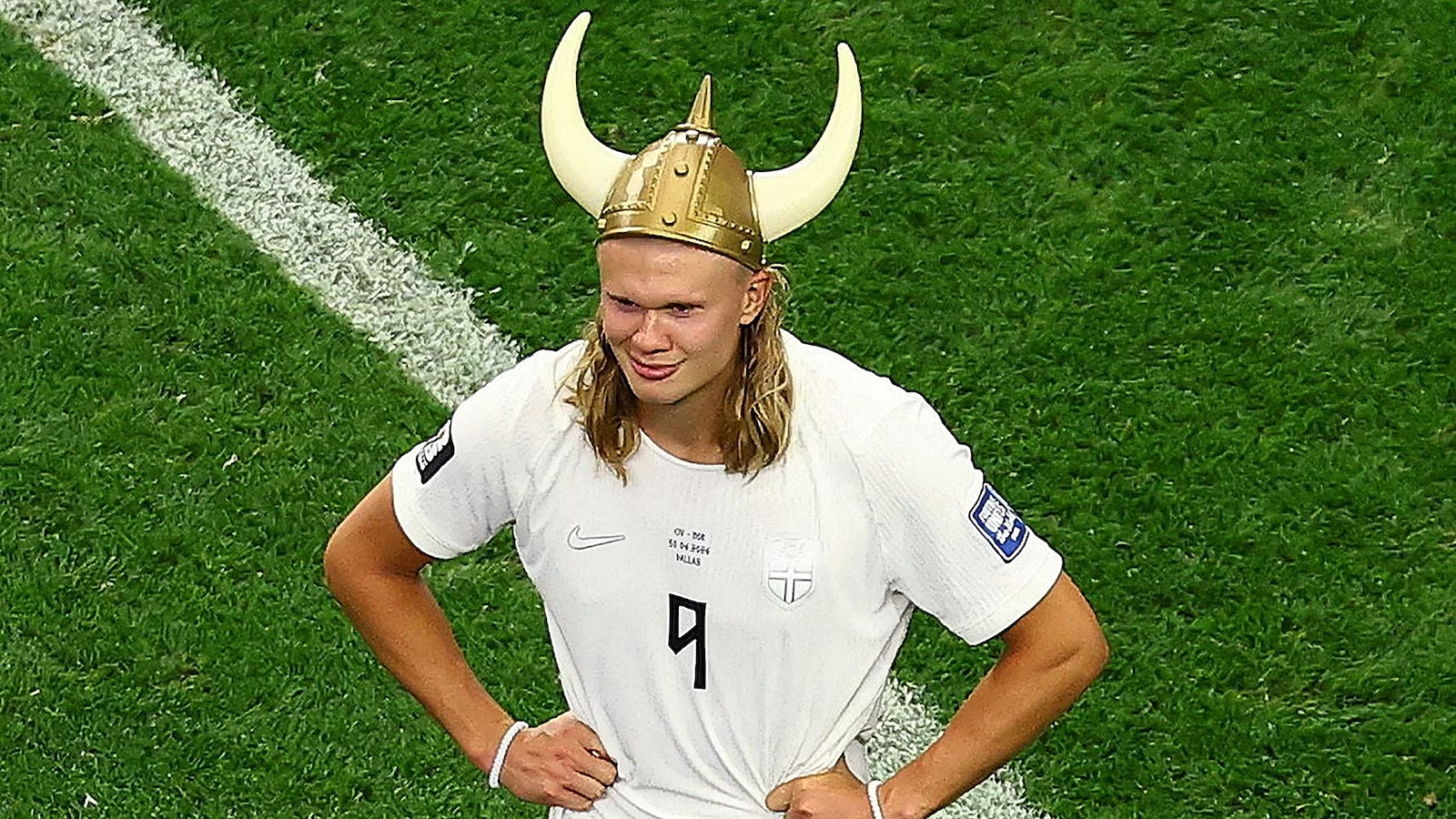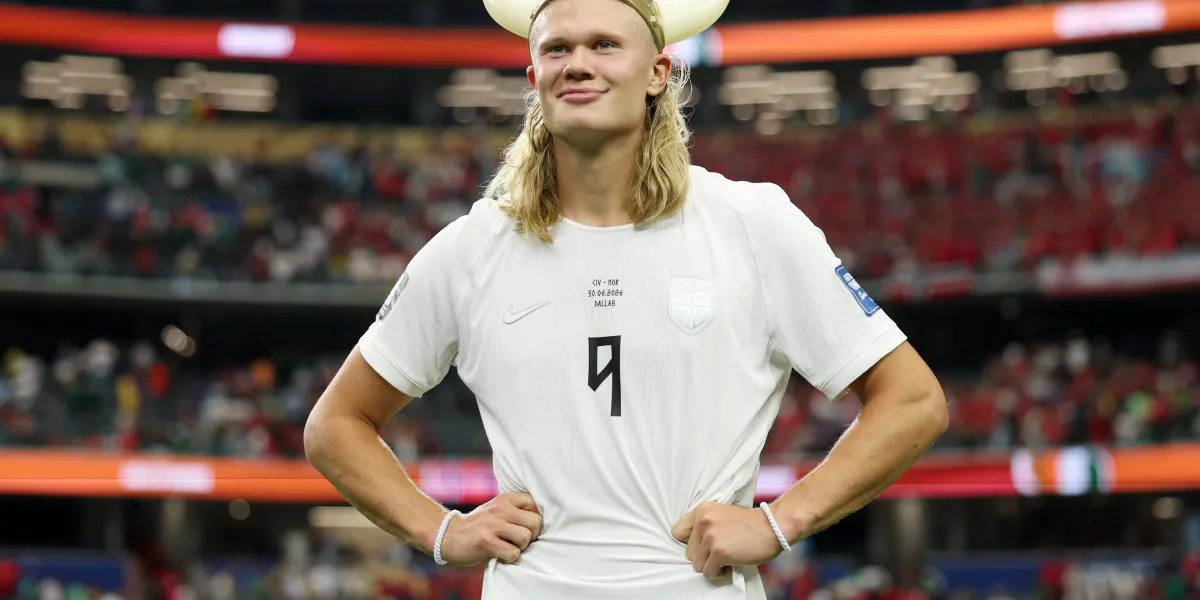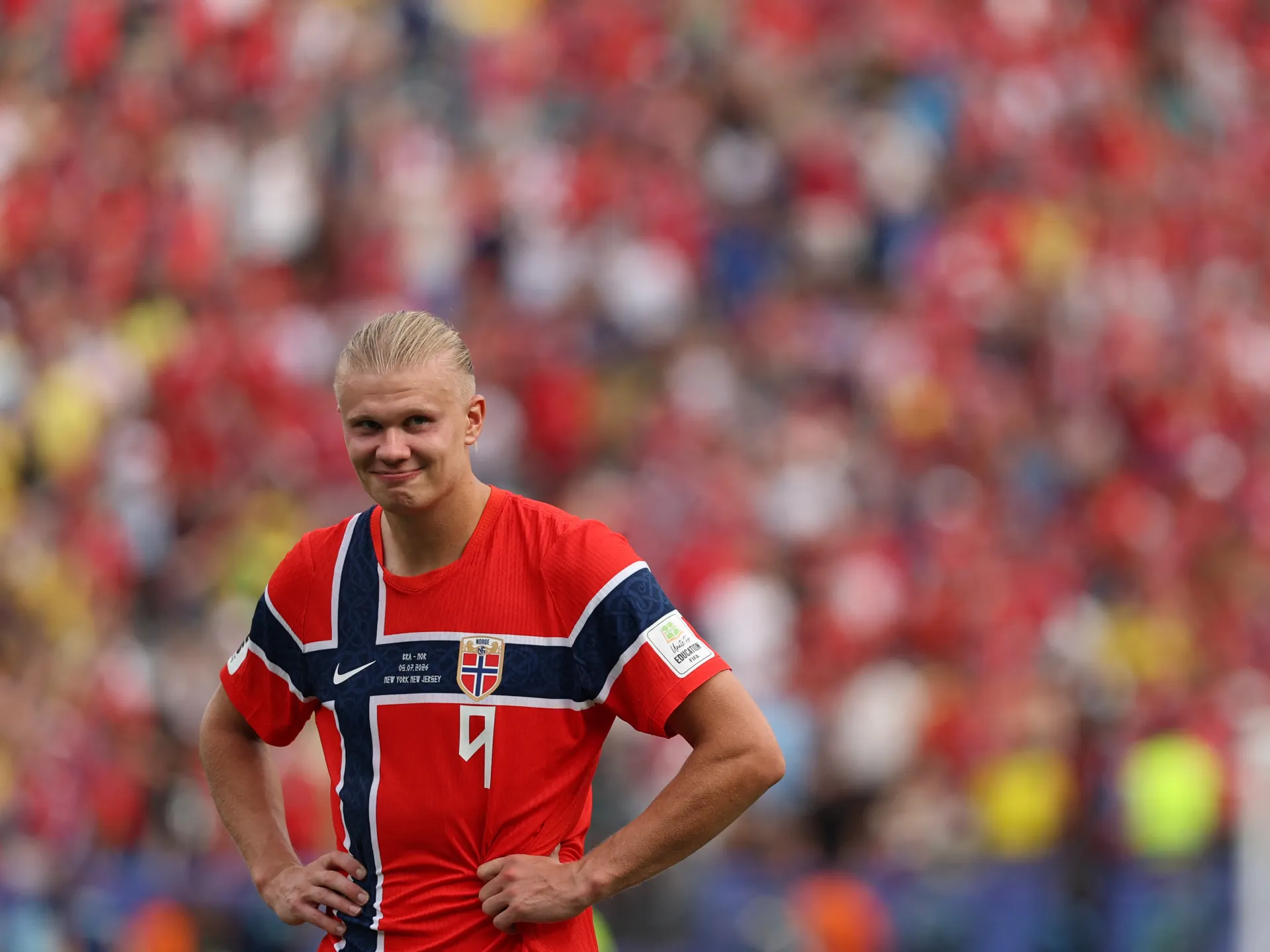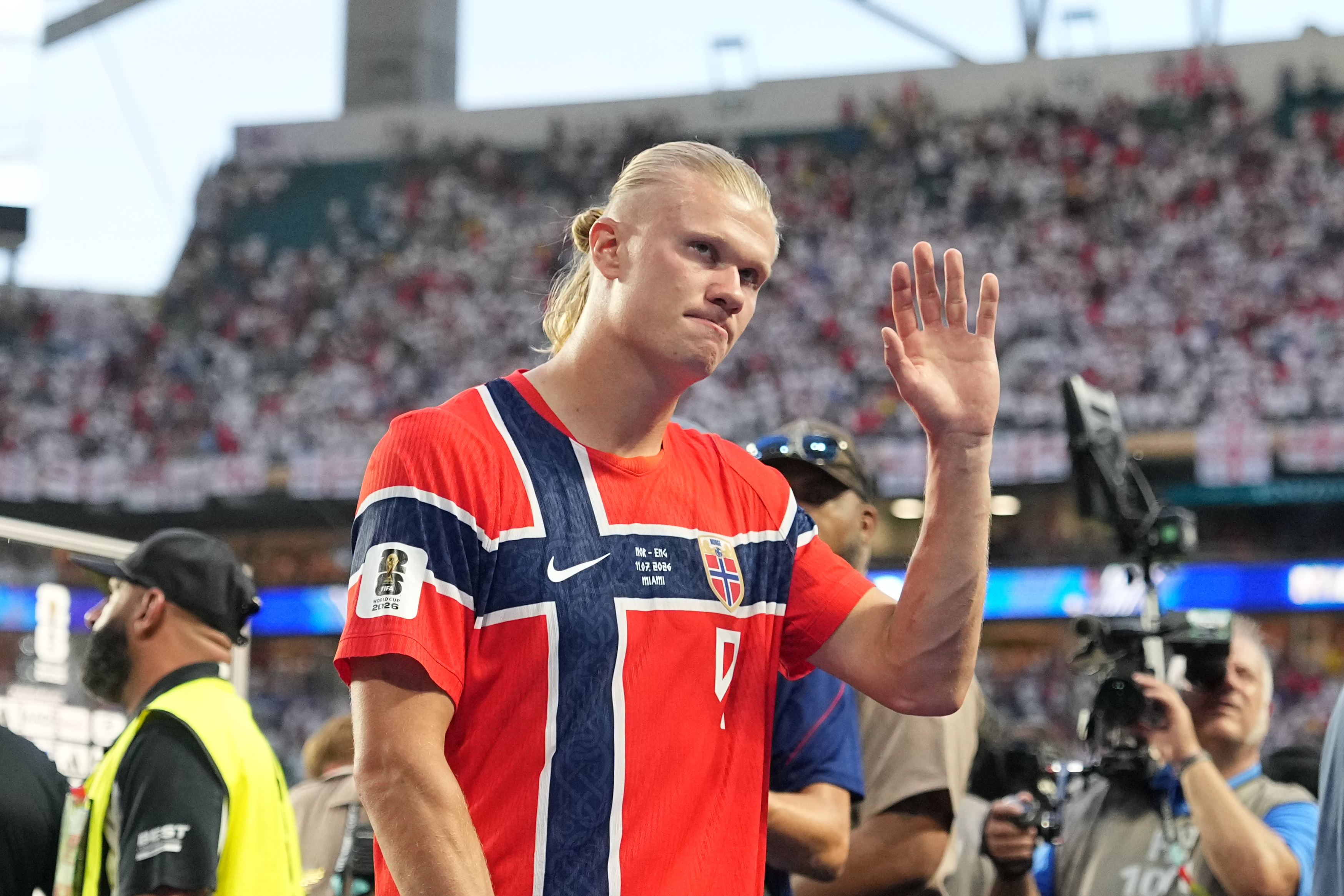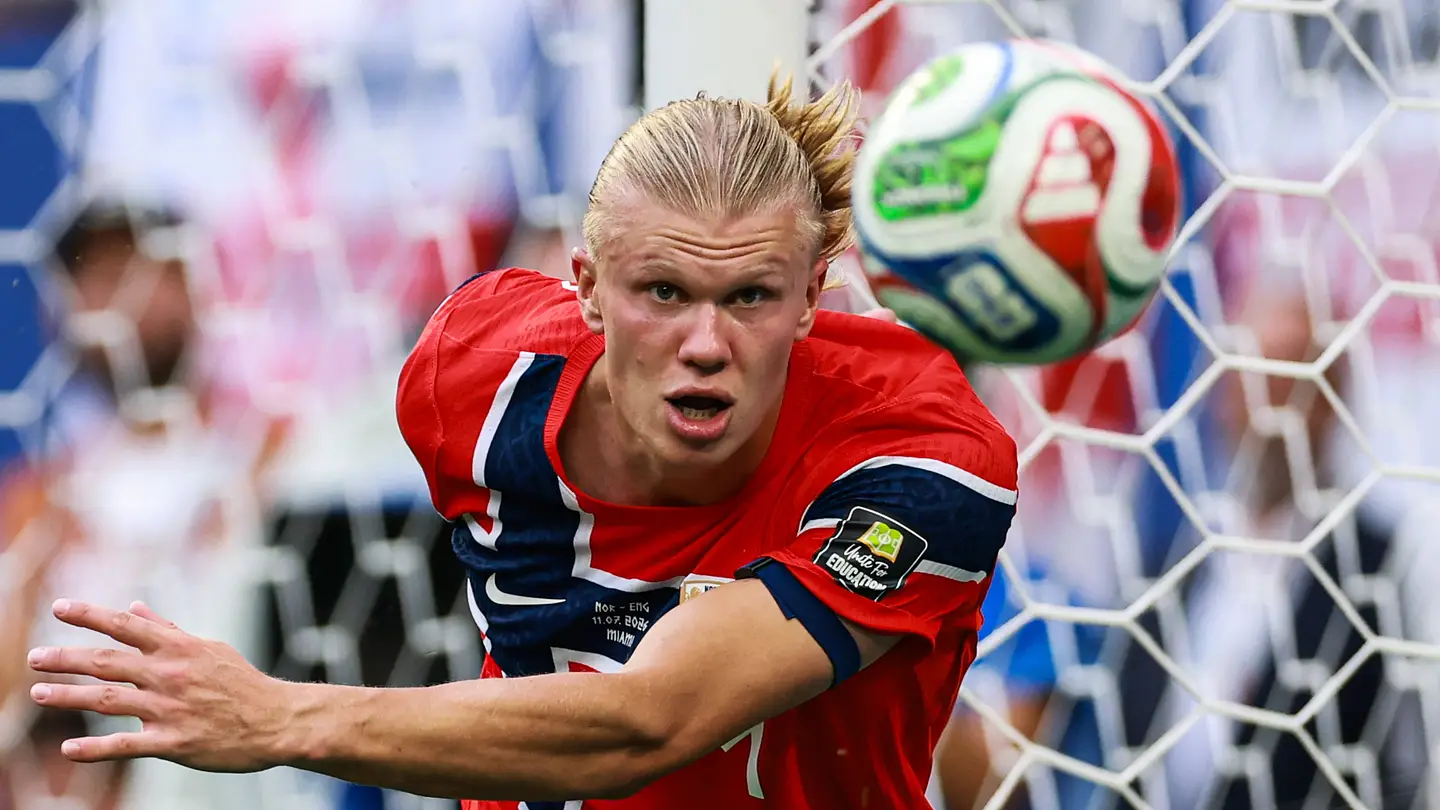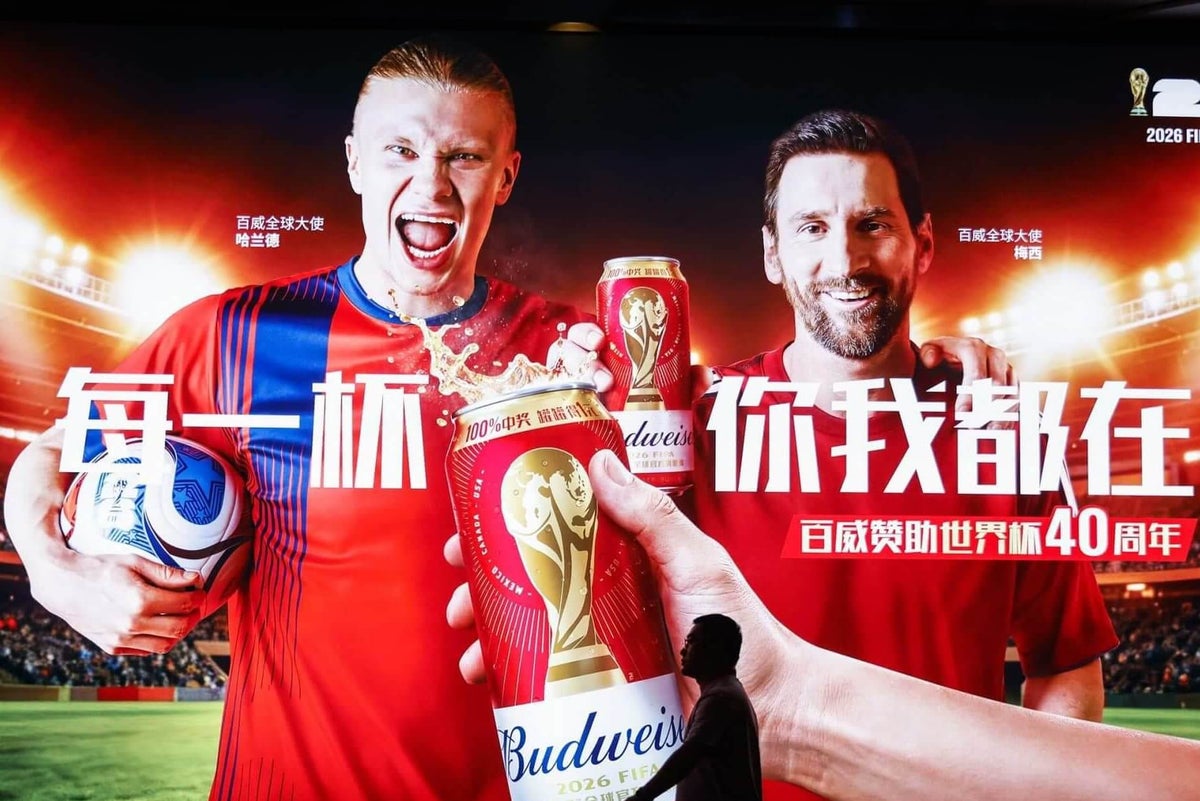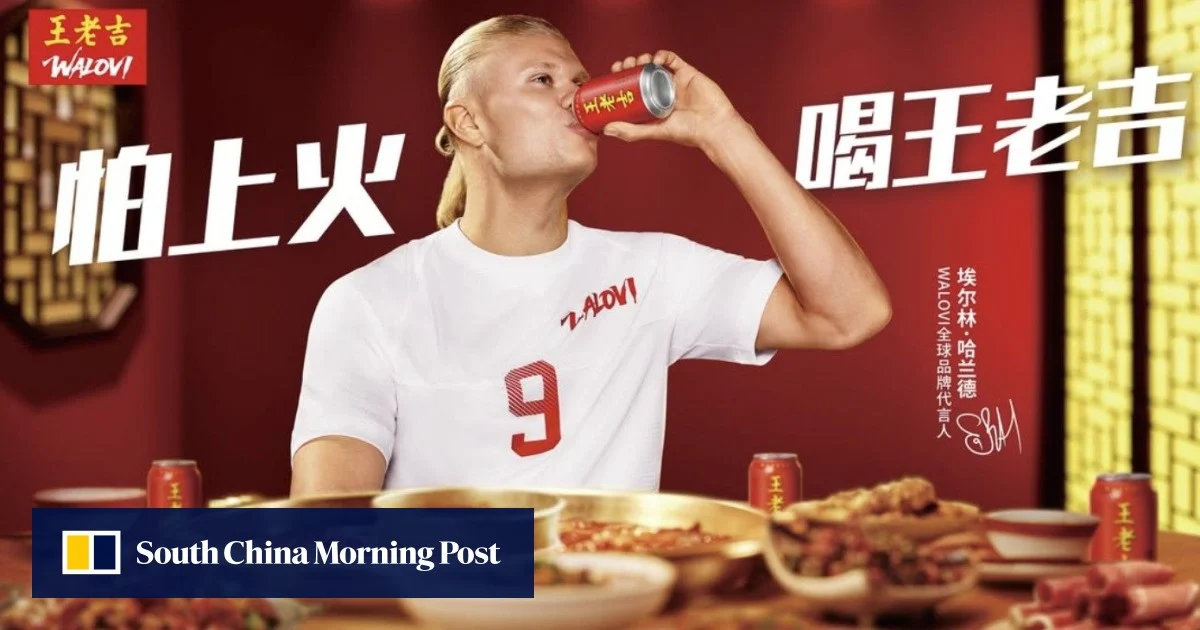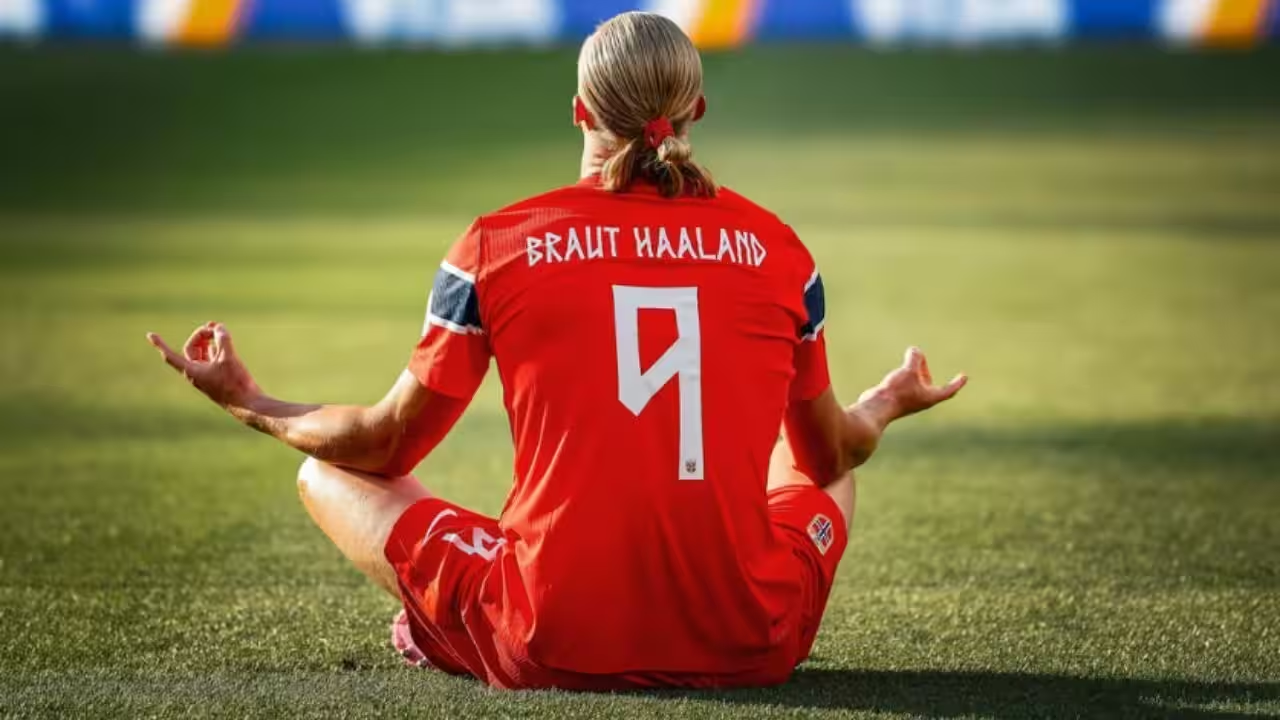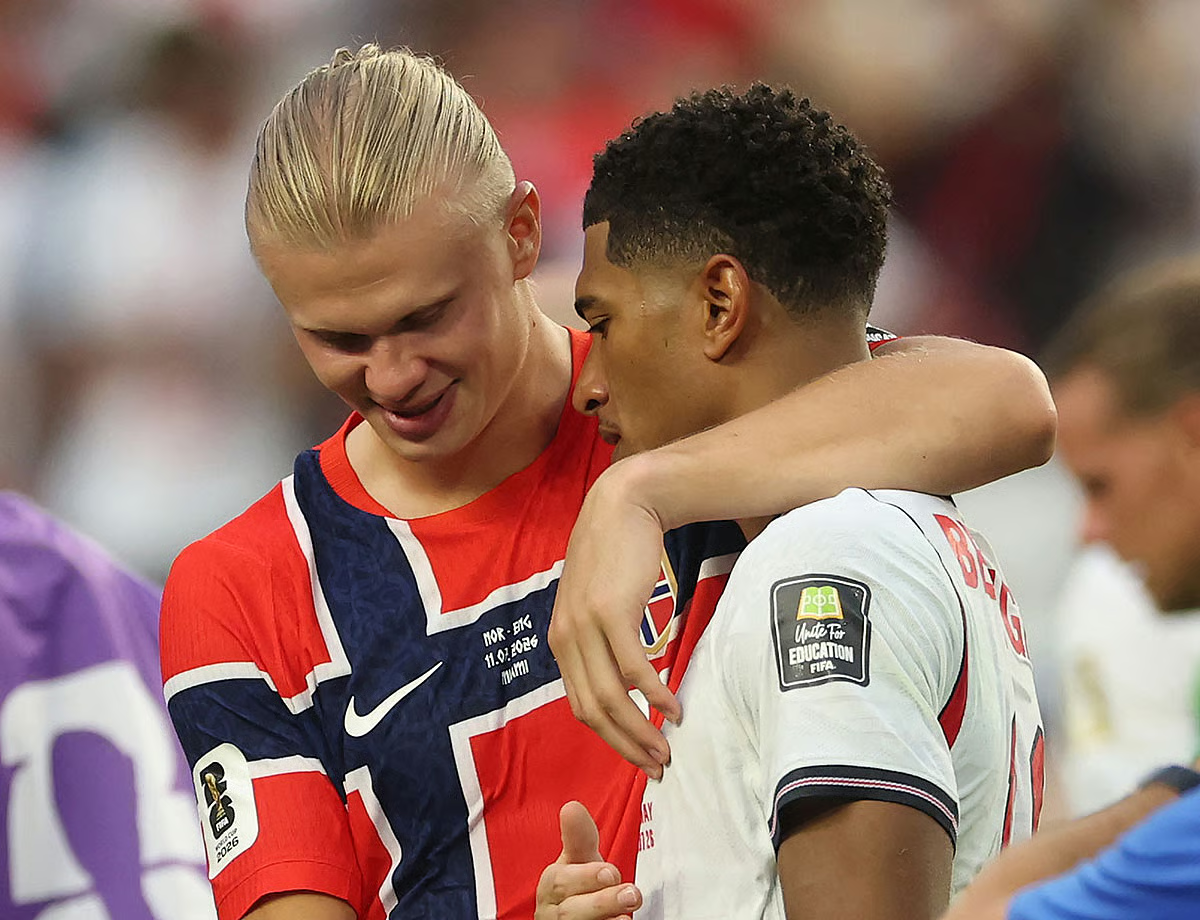
This Future of Marketing Briefing covers the latest in marketing for Digiday+ members and is distributed over email every Friday at 10 a.m. ET. More from the series →When Erling Haaland left the pitch in the 105th minute of Norway’s quarter-final clash with England on July 11, it marked the end of a charmed World Cup run, not just for the Manchester City striker but for his brand sponsors also.“He has been so exciting during this tournament,” said Andrea Fairchild, svp of global sponsorship strategy at Visa.
The payments brand first decided to bring Haaland aboard for its World Cup campaign a year ago, alongside luminaries like Spanish star Lamine Yamal and Christian Pulisic, arguably the best known American player. According to Fairchild, Haaland was principally chosen for his penchant for scoring “tap-ins” (for the non-soccer heads: one-touch goals scored at very close range); the campaign offers Visa card holders the chance to win prizes and merchandise every time such a goal is put away during the tournament. The campaign ran on broadcast TV, paid social and included digital stadium OOH inventory.
Related Insights
Norway’s unexpected success (at least, until last Saturday) and Haaland’s goofball charisma — exhibited on Snapchat, in press interviews and a YouTube channel launched 12 months back, as charted by The Athletic — have introduced the blonde forward to a huge swathe of the U.S. public, just as fan loyalty is pivoting from team affiliation to individual stars. Nearly one-third (32%) of Gen Z fans say they support individual athletes over specific teams, according to a study published this week by YouGov, USC Annenberg and marketing agency group ACC.