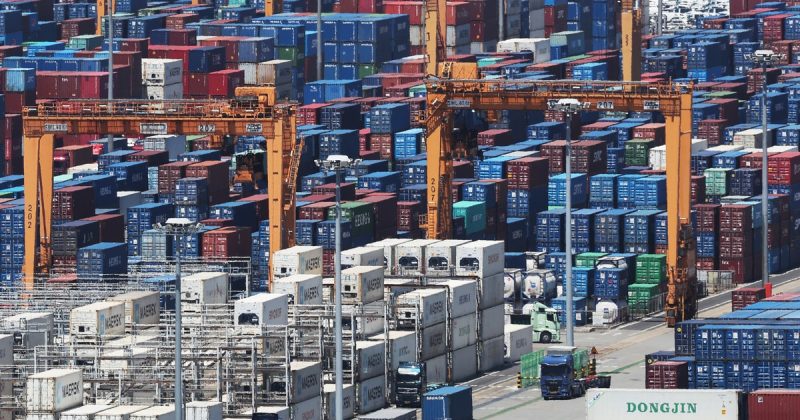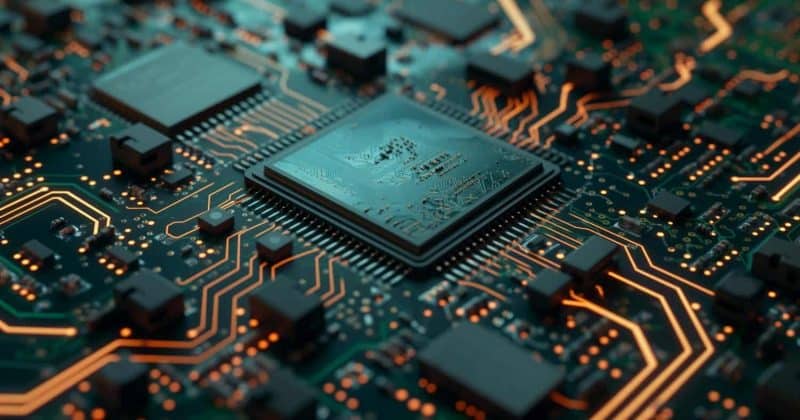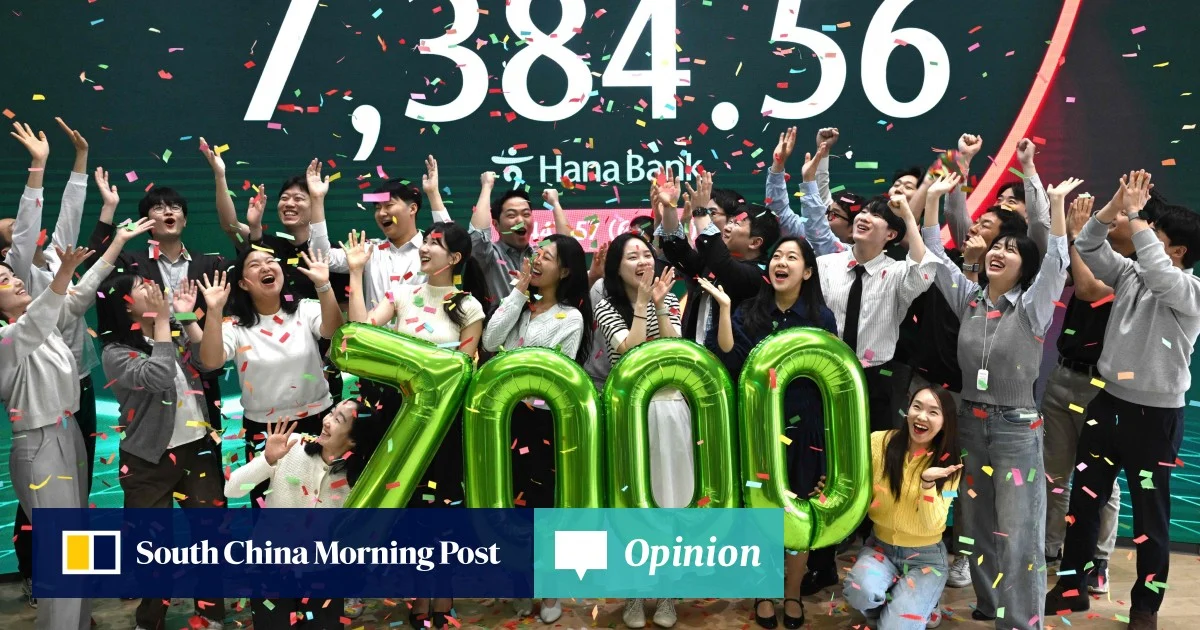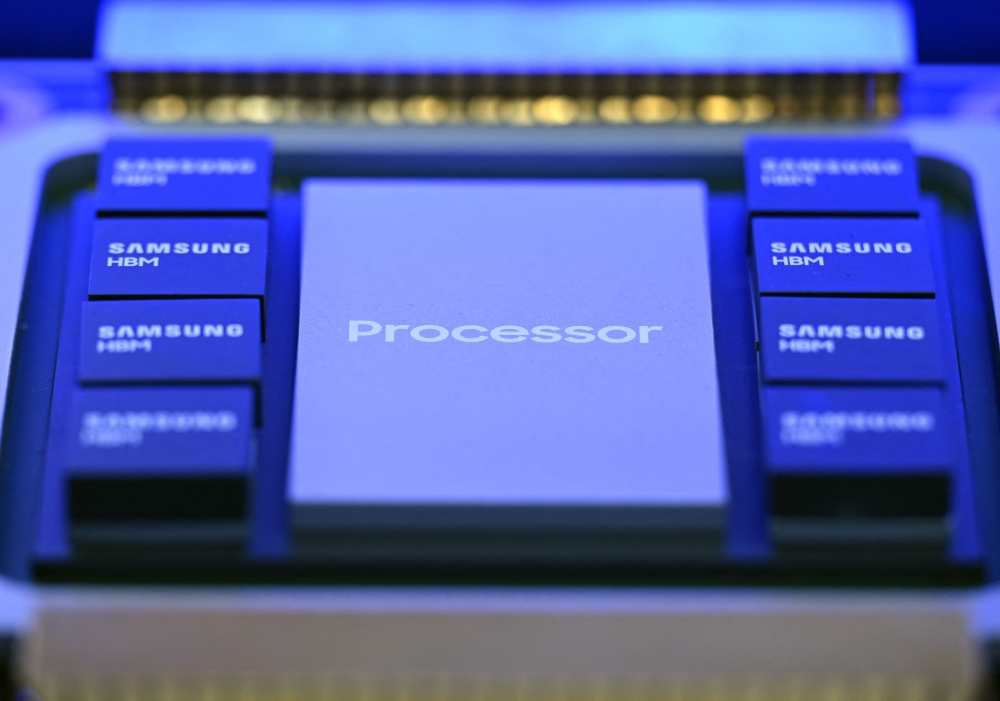
South Korea’s economy is having a moment. A very loud, very profitable moment fueled almost entirely by the global hunger for AI chips.
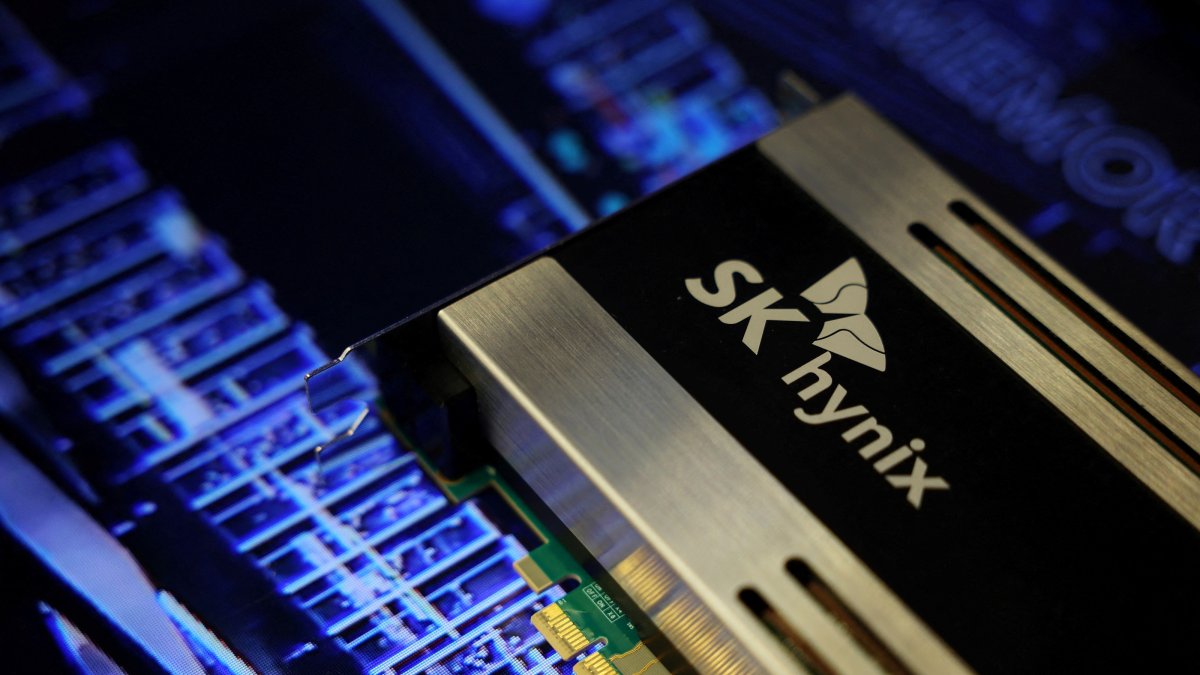
Semiconductor exports hit a record $37.16 billion in May 2026, a year-over-year increase of 169.4%. That number is not a typo. It reflects what happens when every major AI company on the planet needs high-bandwidth memory chips, and two of the world’s best chip makers happen to be headquartered in Seoul.
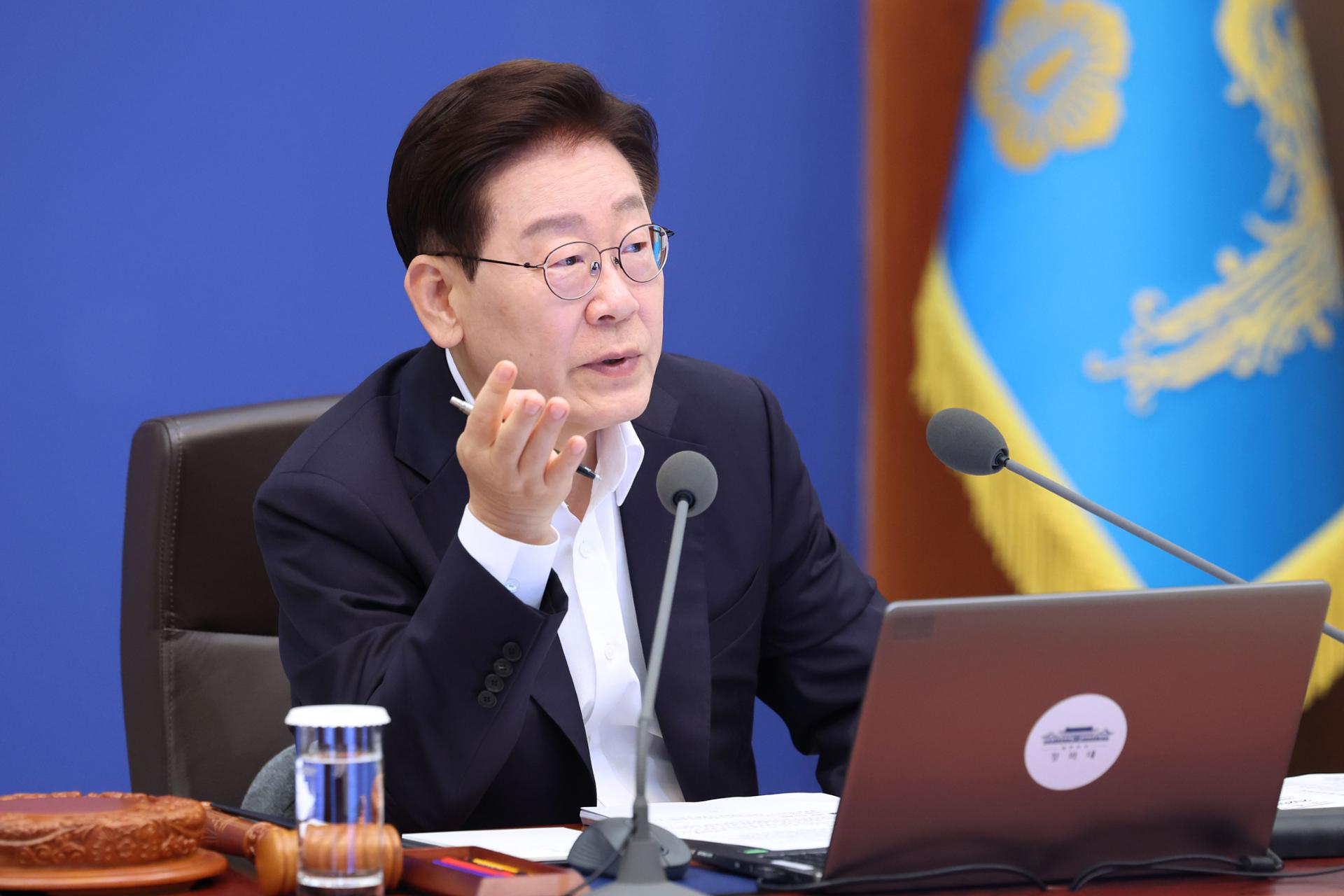
The windfall has been large enough to force the government to tear up its economic playbook. Officials revised the 2026 GDP growth forecast to 3.0%, up from an earlier projection of 2.0%. That revised figure represents the most optimistic government growth estimate in over five years, and it landed on July 14, 2026. Two days later, the Bank of Korea responded to the heat that success generates.
The central bank blinks first
On July 16, 2026, the Bank of Korea raised its base interest rate by 25 basis points to 2.75%. That sounds modest, but context matters: it was the first rate hike the BoK had delivered since January 2023.