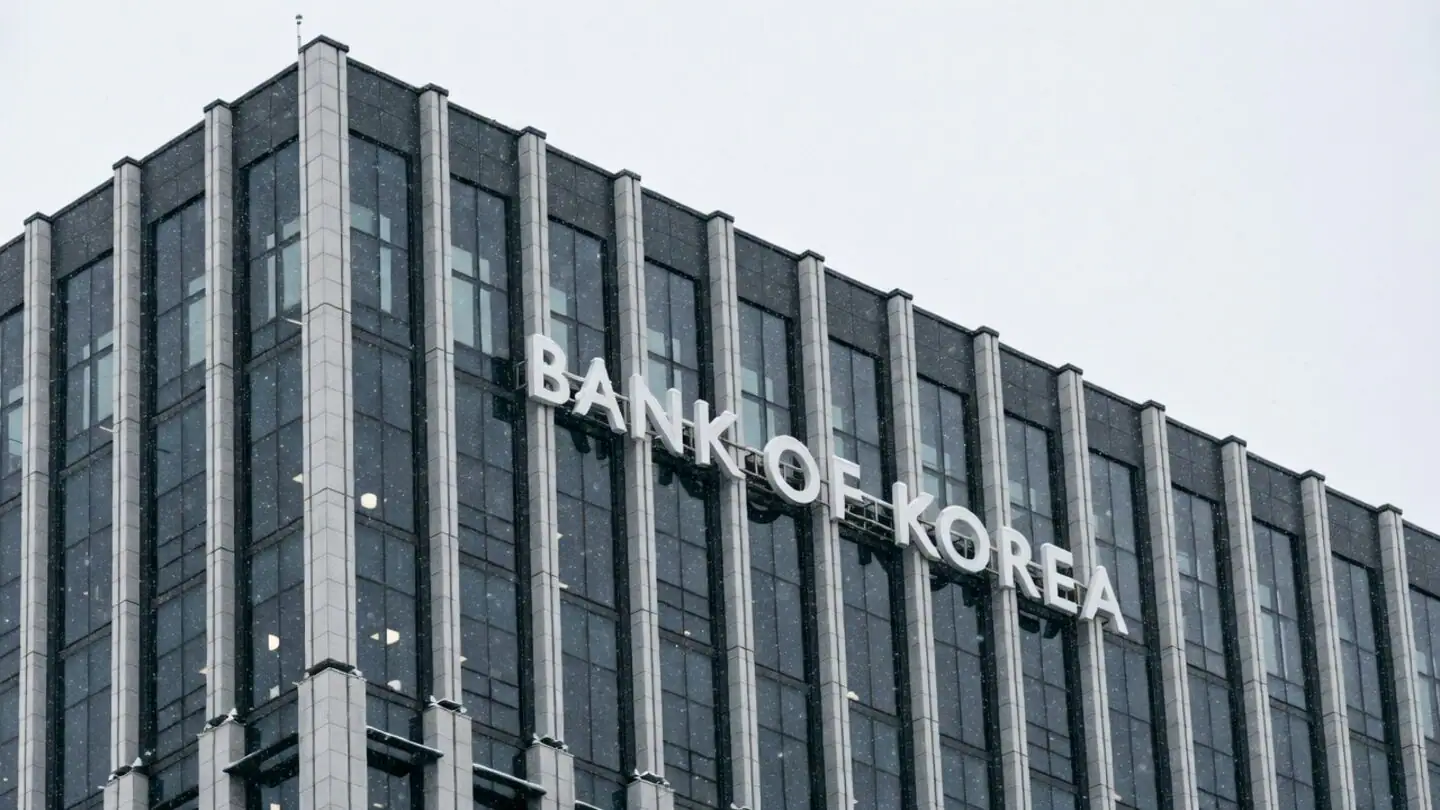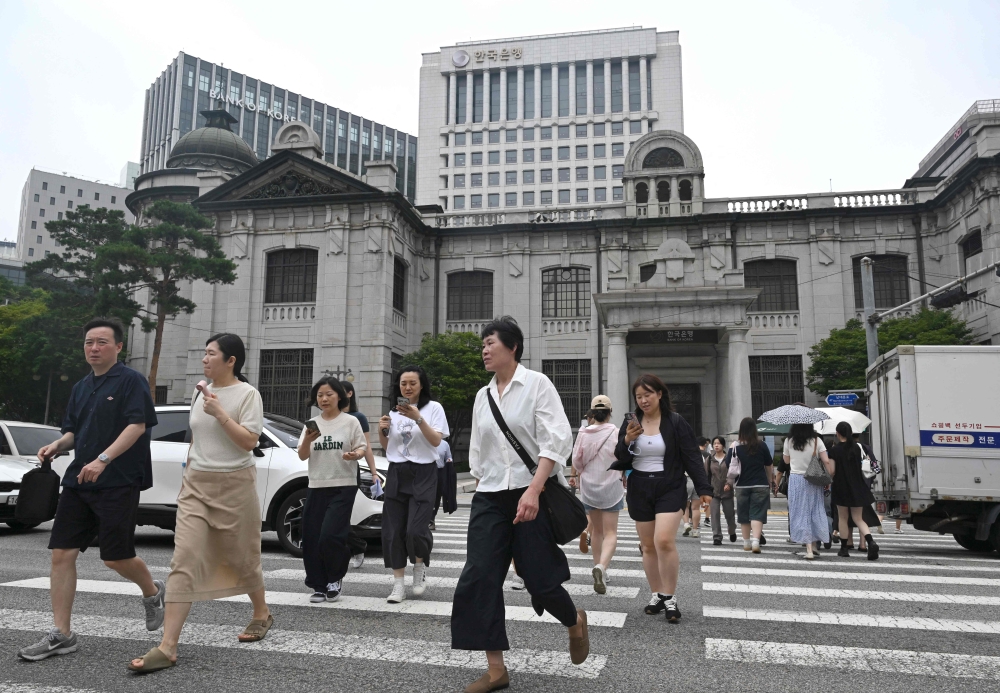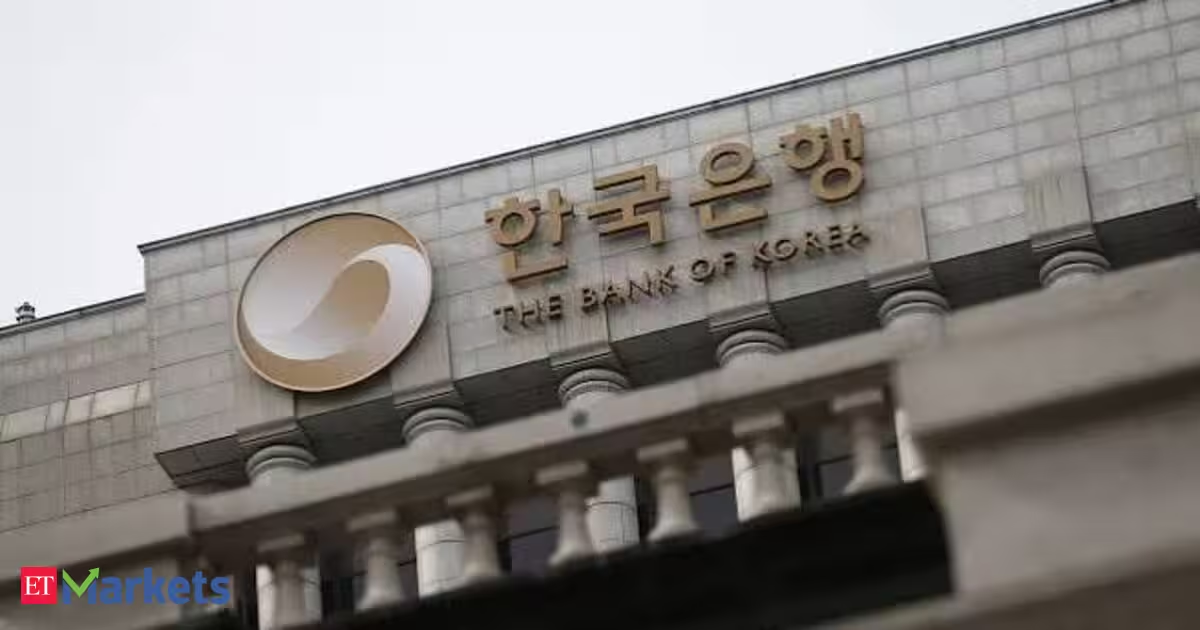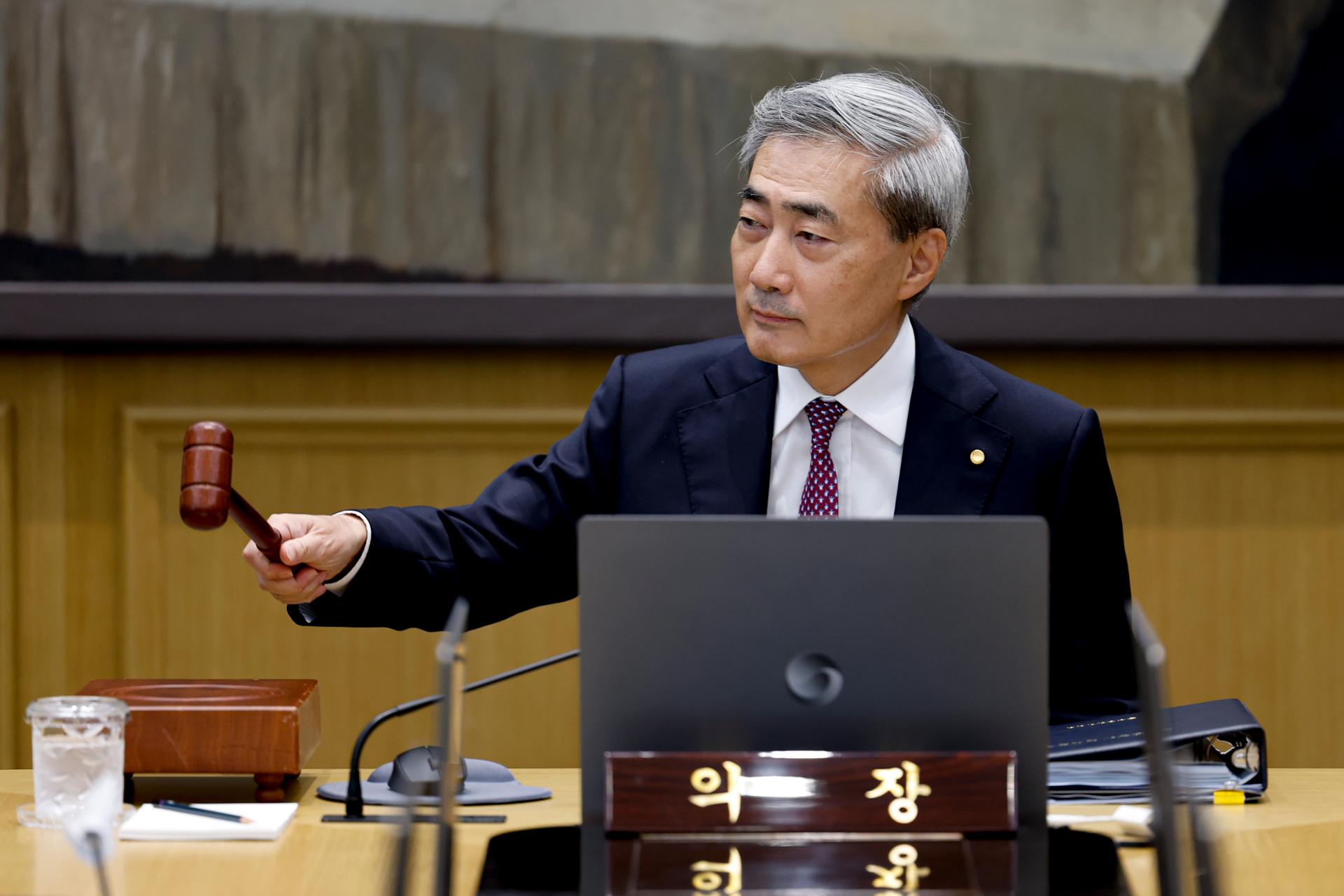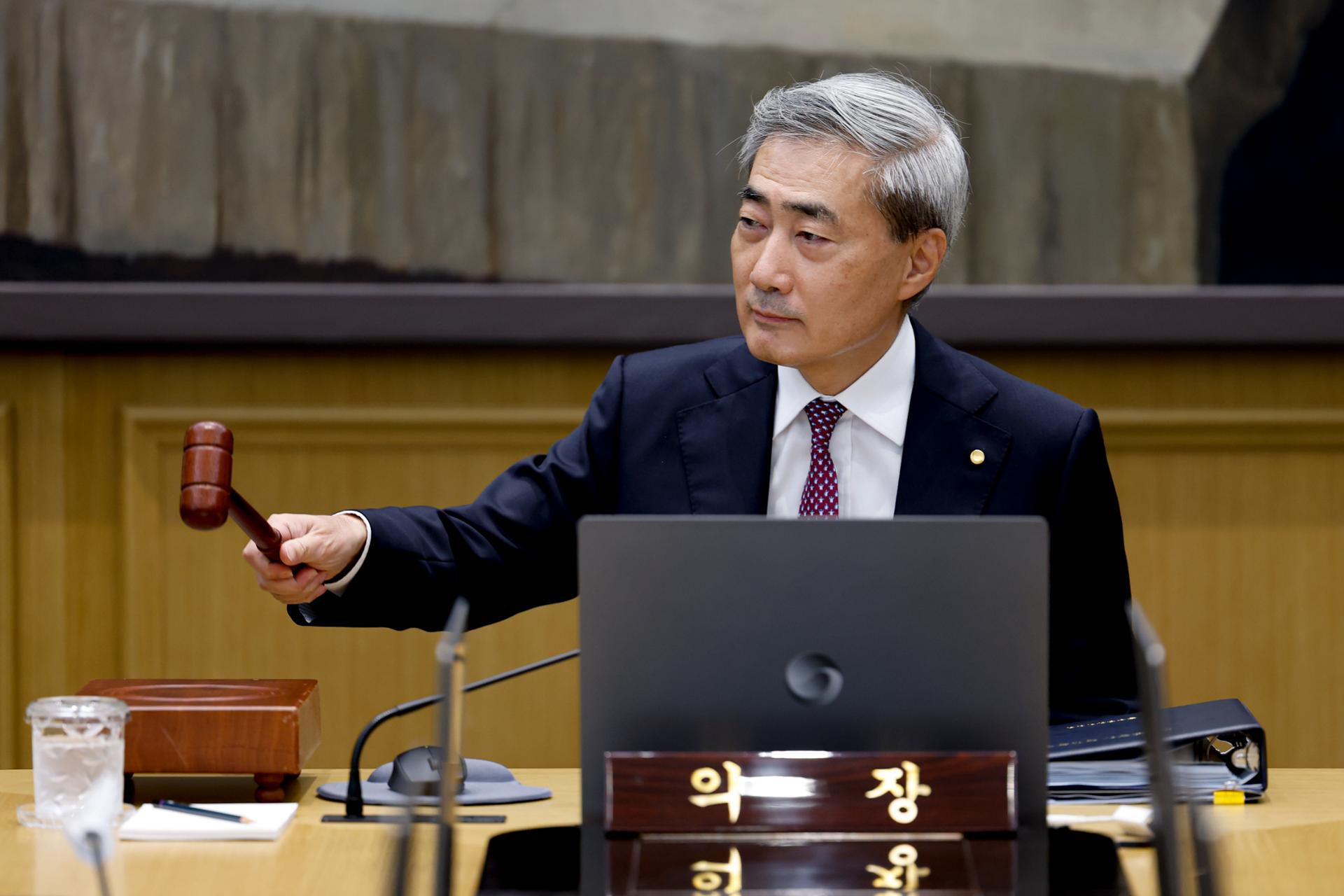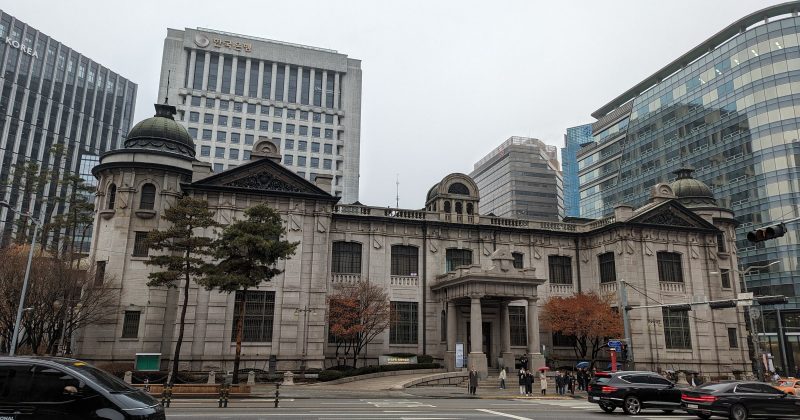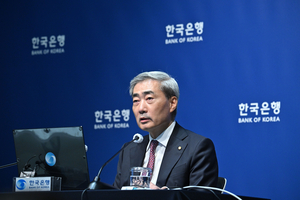
SEOUL – South Korea’s central bank raised interest rates on July 16 for the first time in more than three years as an artificial intelligence-driven chip boom helps fuel sticky inflation and faster-than-expected economic growth.The Bank of Korea (BOK) increased the seven-day repurchase rate by a quarter point to 2.75 per cent, in line with the expectations of all economists surveyed by Bloomberg. The move marks the start of a new policy cycle after officials cut borrowing costs four times since late 2024. The last hike was in January 2023.The decision caps months of increasingly hawkish messaging from the central bank. Since leading his first policy meeting in May, BOK governor Shin Hyun Song has repeatedly asserted that inflation, economic growth, exchange rates and risks to financial stability all pointed in the same policy direction, minimising the trade-offs that typically complicate monetary policy decisions.Authorities have upgraded their growth outlooks several times, with the latest revision coming earlier this week, when the government said it expected the economy to expand 3 per cent in 2026. Last week, the International Monetary Fund gave South Korea the largest upward revision to its growth outlook among the world’s 30 major economies, lifting its 2026 forecast to 2.6 per cent.The hike marks the start of what investors expect will be a tightening cycle that carries over into 2027. Markets are already debating how quickly the central bank might move again.While oil prices remain elevated, second-round inflationary effects have yet to materialise. In addition, wage growth is slowing, the won has strengthened recently and concerns surrounding repo funds are likely to keep the BOK from conducting a back-to-back hike at its next decision on Aug 27, according to Lim Jae-kyun, a fixed-income analyst at KB Securities.The policy shift follows a sharp improvement in South Korea’s economic backdrop. A semiconductor-led export boom pushed South Korea’s current-account surplus in the first five months of 2026 beyond 2025’s record annual total, helping the economy grow by a faster-than-expected 1.8 per cent in the first quarter.The BOK has increasingly argued that the current chip upcycle differs from previous ones in that it is being driven by structural demand related to AI. Competitive investment by global technology firms, coupled with supply constraints for advanced chips such as high-bandwidth memory, should keep the expansion going for an extended period, the bank said in a statement to a local lawmaker earlier this week. At his press conference, Shin may be asked to respond to comments from US Federal Reserve chairman Kevin Warsh pushing back on the idea that surging investment into AI is stoking inflation. Warsh said Wednesday that the boom will not necessarily lead to persistent price pressures.South Korea’s inflation has remained stubbornly high. Consumer prices rose 3.2 per cent in June from a year earlier, the fastest pace in more than two years. Policymakers expect underlying price pressures to remain elevated as earlier increases in oil prices continue to feed through the economy. The government expects inflation will average 2.6 per cent in 2026.Financial stability concerns have become an increasingly important driver of policy. Apartment prices in Seoul have climbed for 75 consecutive weeks, household borrowing has started to accelerate again and policymakers have repeatedly warned that leverage-fuelled investment could amplify broader financial imbalances. In the BOK’s latest Financial Stability Report, the central bank said higher interest rates would be needed “at an appropriate time” to contain those risks.While the Korean won has strengthened of late, it has slumped through most of the year, sliding in June to its weakest level against the US dollar since 2009. Policymakers have repeatedly cited currency weakness as another factor strengthening the case for tighter monetary policy. BLOOMBERG
South Korea raises rates for first time since 2023 on AI chip boom
Hike marks the start of what investors expect will be a tightening cycle that carries over into 2027. Read more at straitstimes.com. Read more at straitstimes.com.
613 words~3 min read