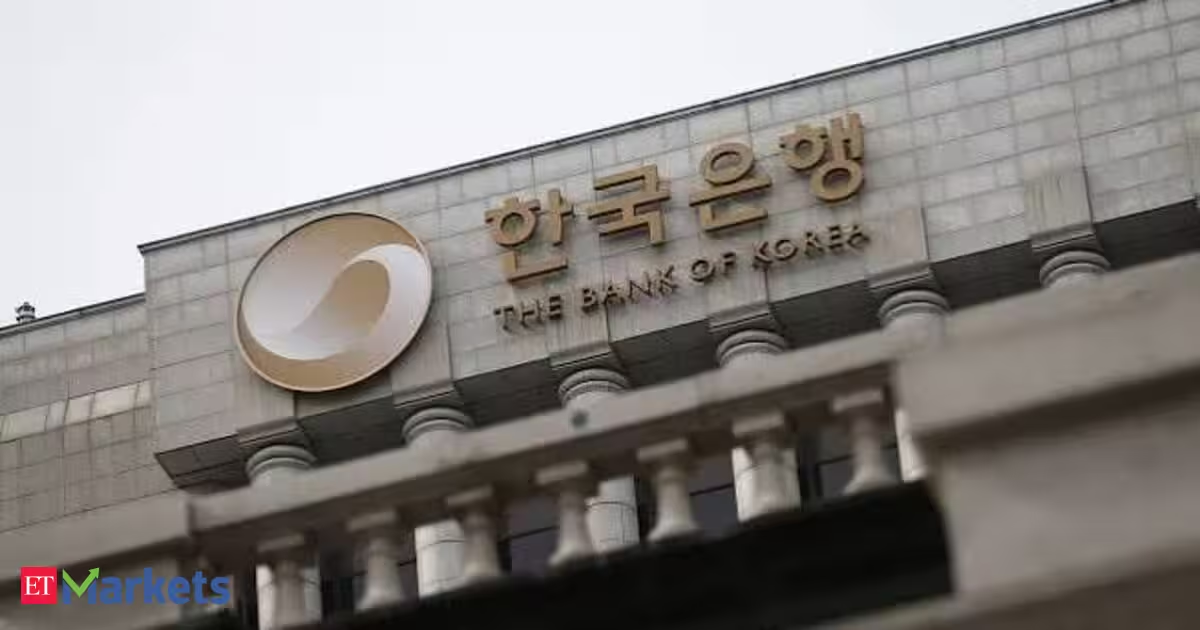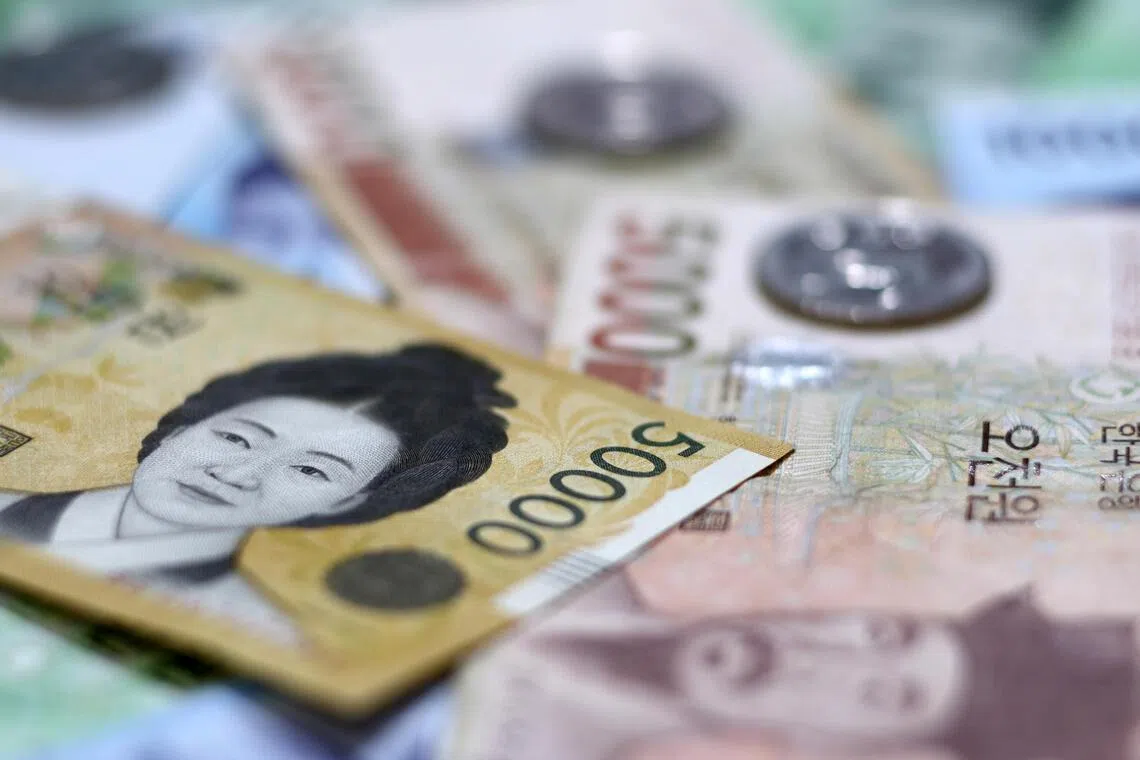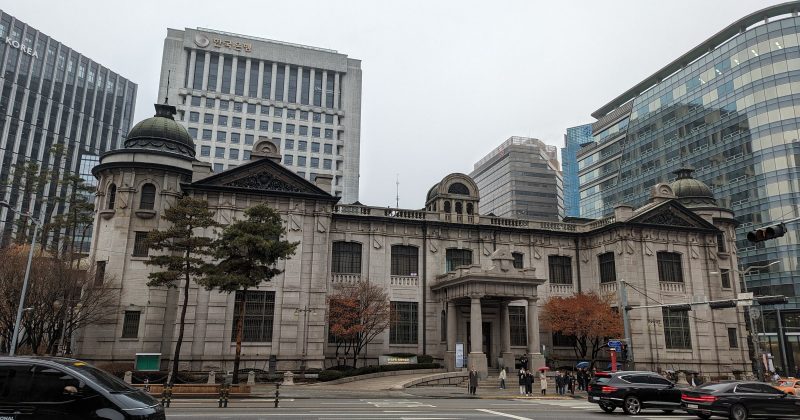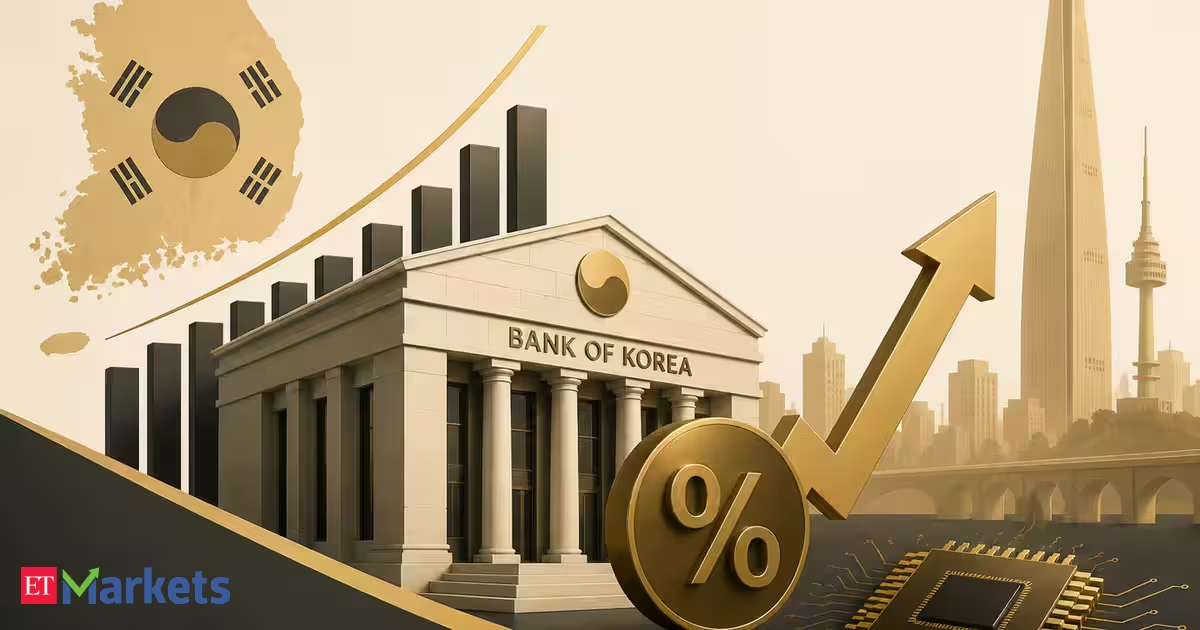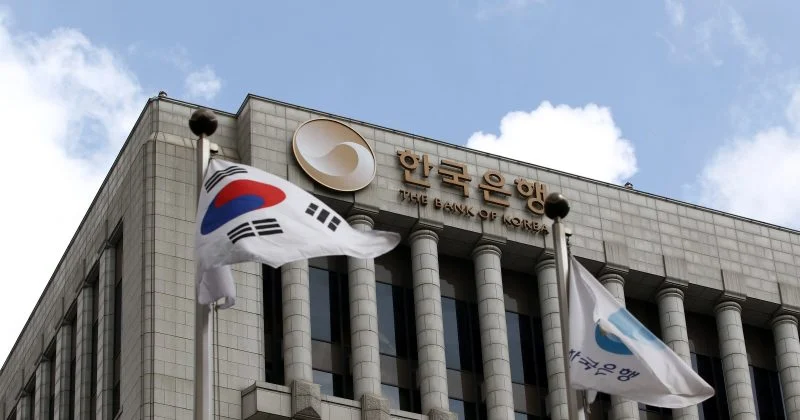
The Bank of Korea just ended a long stretch of keeping its hands off the interest rate dial. On July 16, the central bank raised its benchmark base rate by 25 basis points to 2.75%, the first increase since January 2023.
The short answer is inflation. South Korea’s Consumer Price Index climbed to 3.2% in June, up from 3.1% in May, sitting well above the central bank’s 2% target.
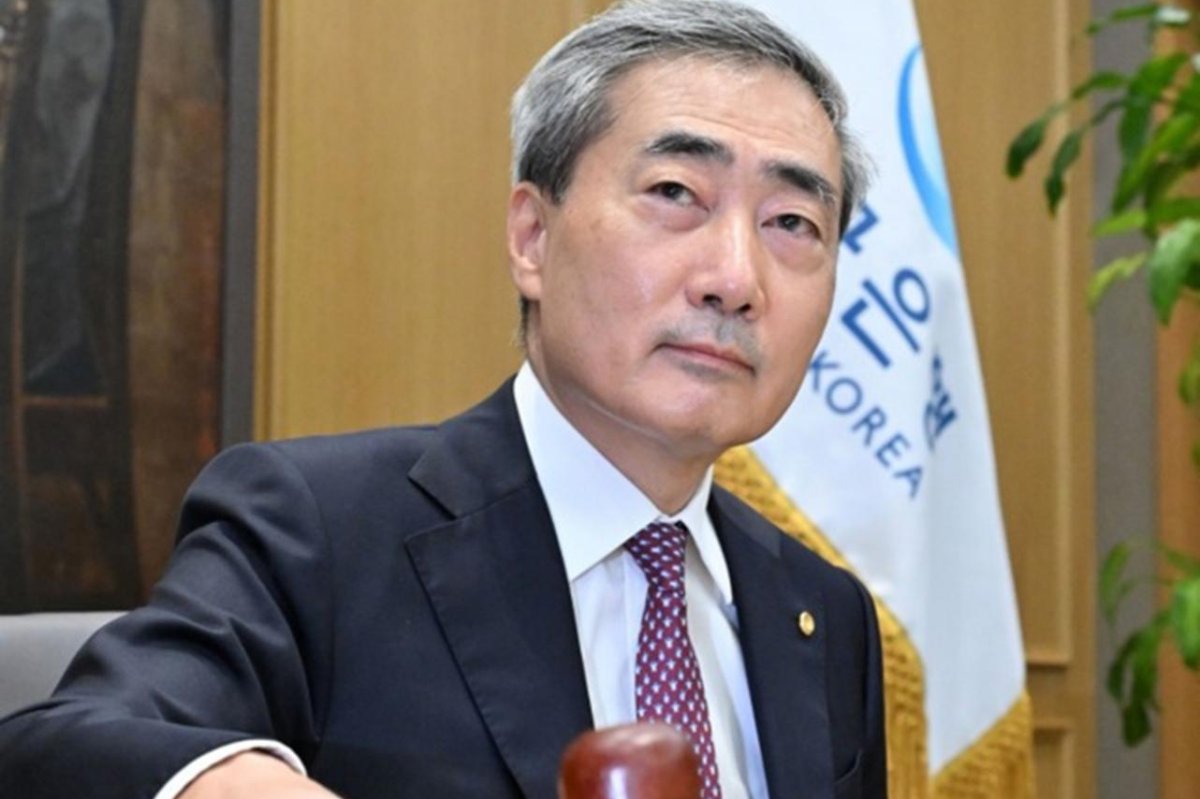
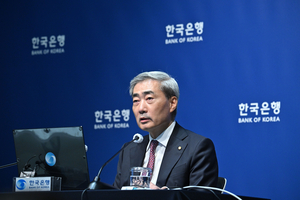
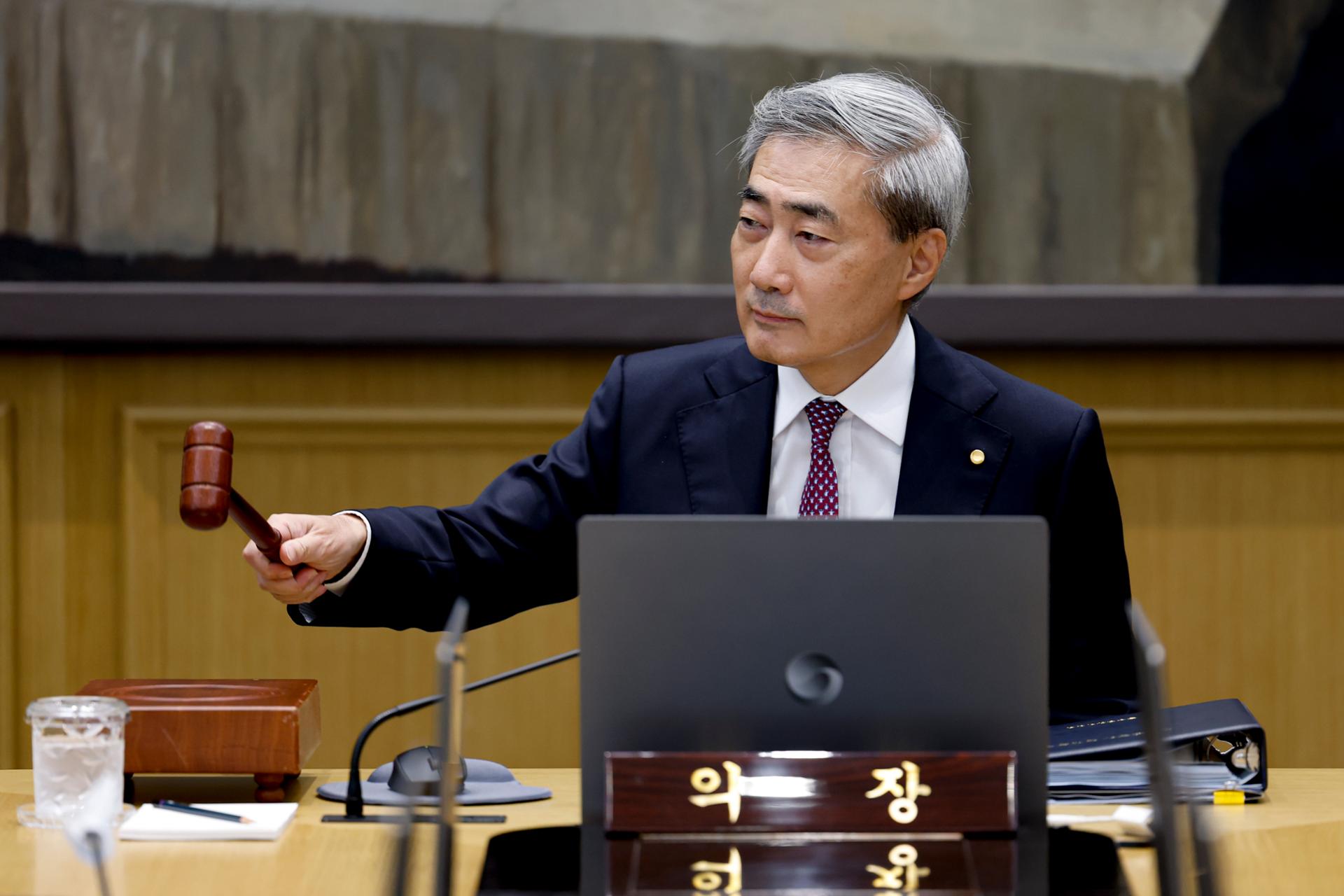
BoK Governor Shin Hyun-song pointed to a combination of pressures behind the decision: persistent household credit growth, rising property prices, and exchange rate dynamics that have been adding imported inflation to the mix.
On the growth side, the picture is not gloomy. South Korea’s economy is projected to expand by 2.6% in 2026, supported heavily by semiconductor exports riding the global wave of artificial intelligence investment.
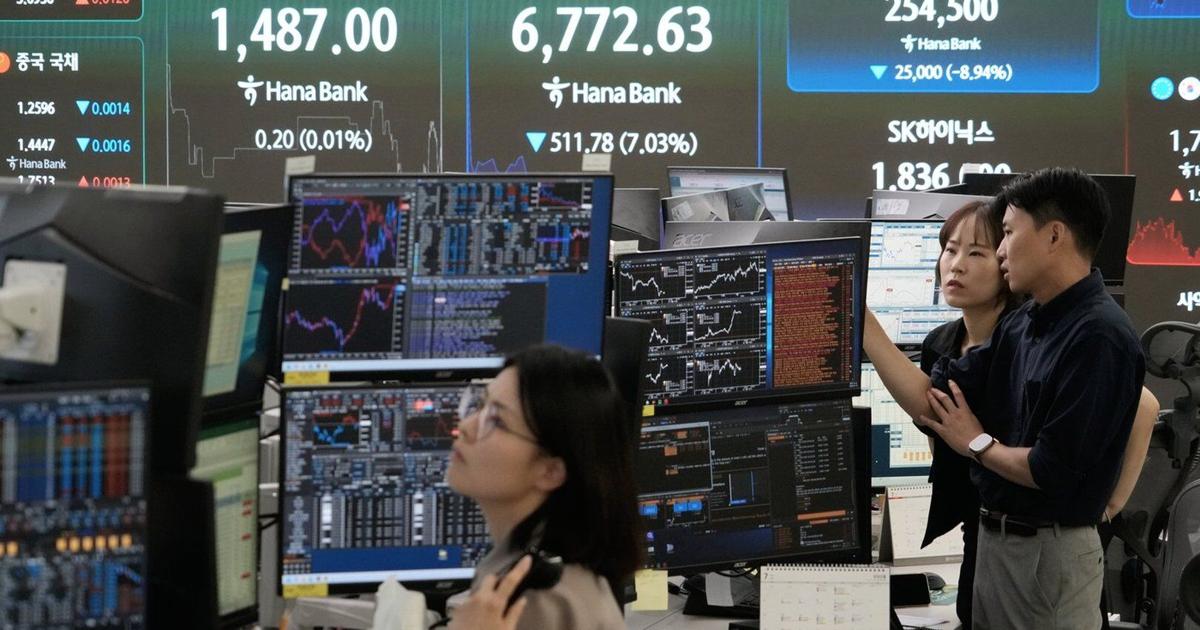
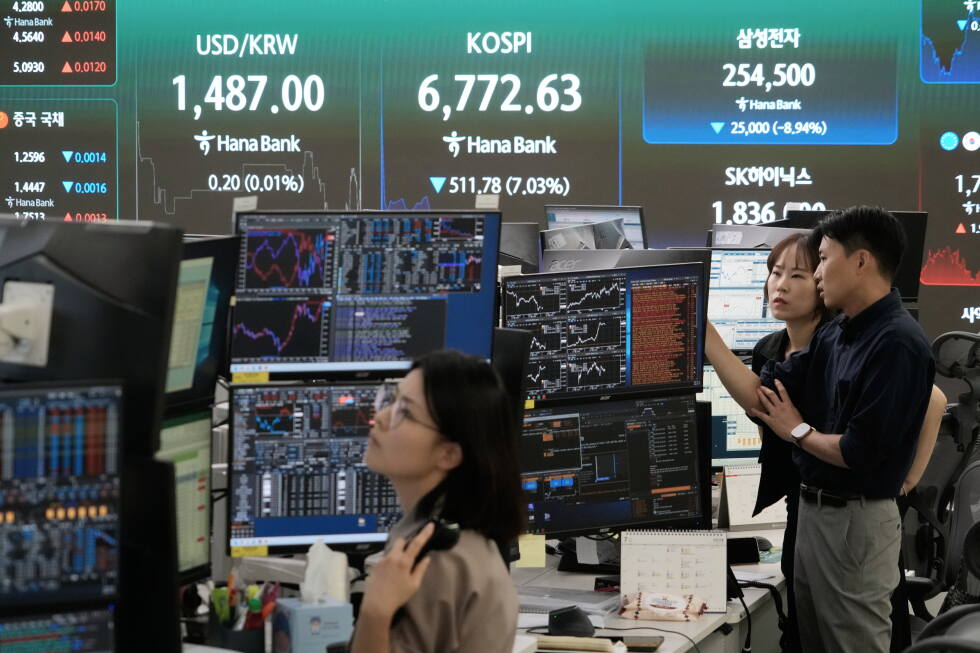
The KOSPI index, South Korea’s main equity benchmark, sold off sharply following the announcement. The hike was in line with what analysts had expected, which means the market drop was less about surprise and more about the reality of what a tightening cycle actually means for corporate earnings and consumer spending.