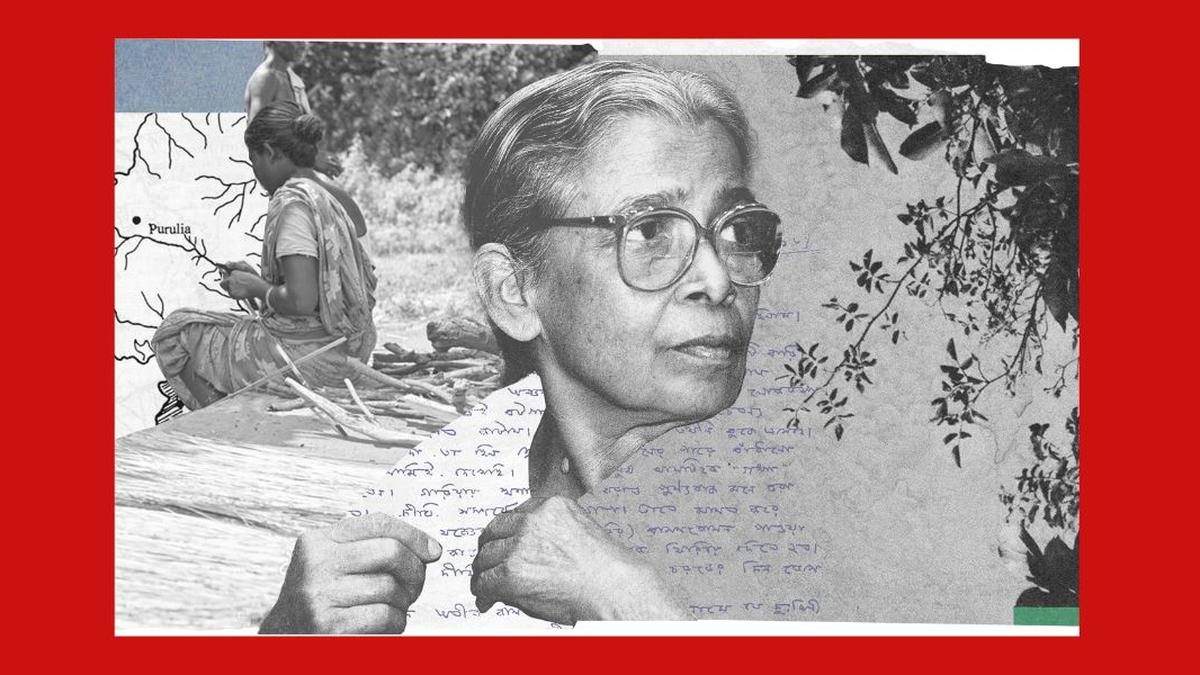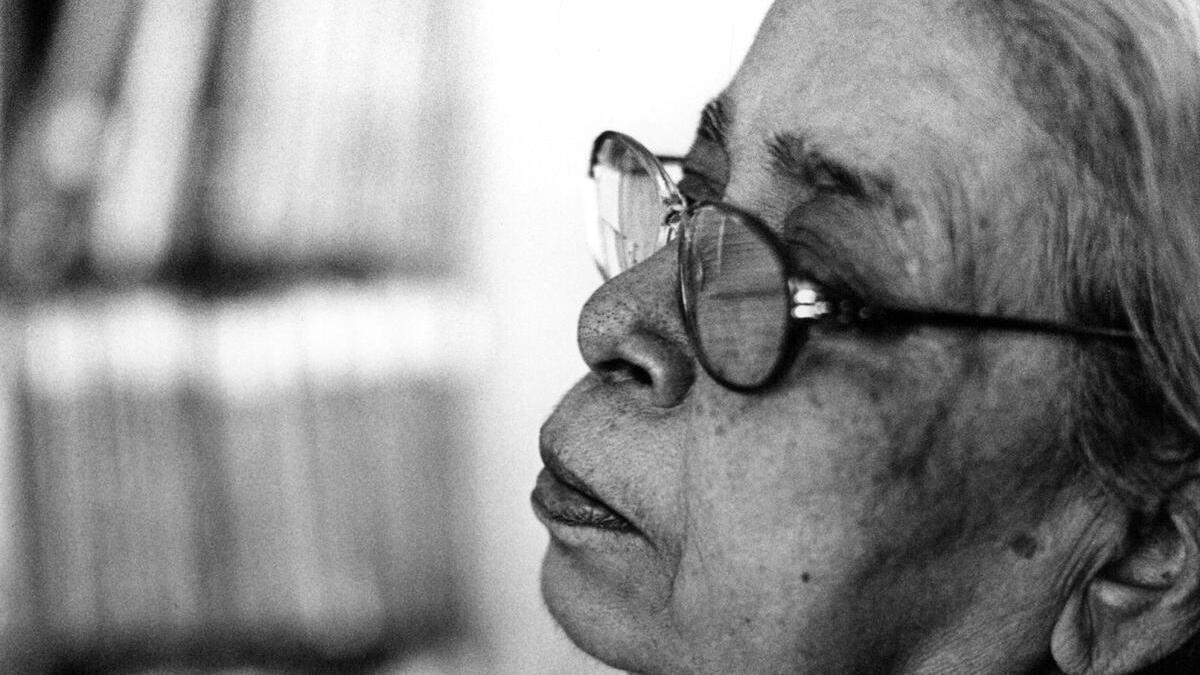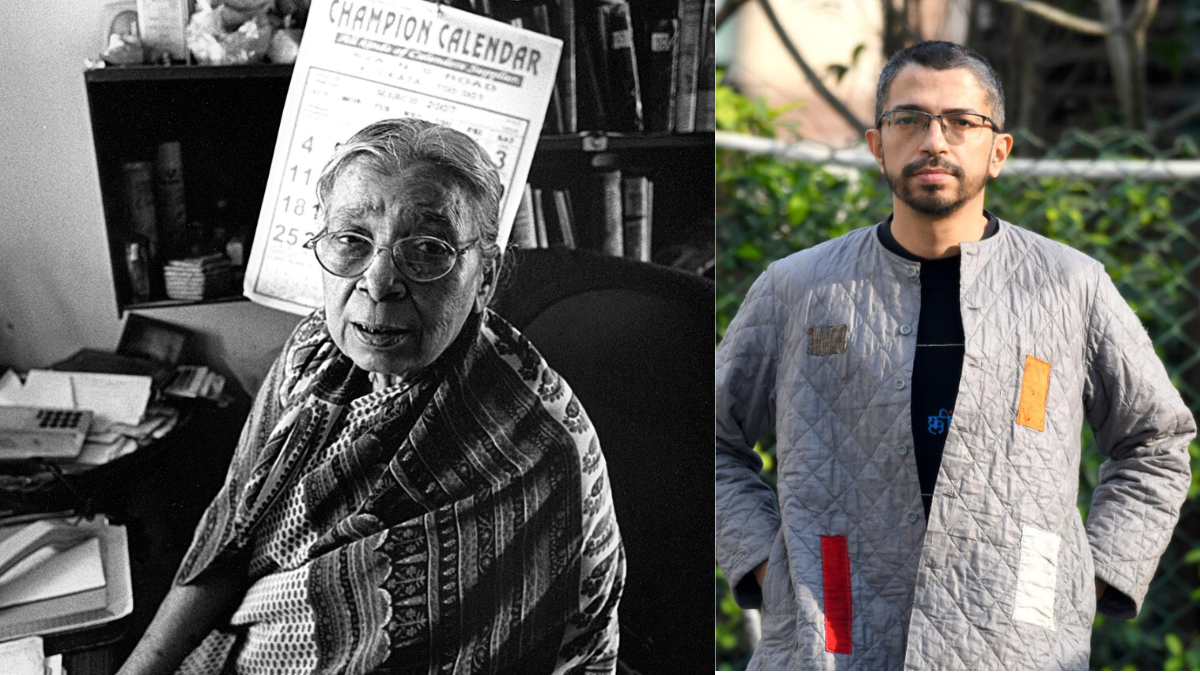
Writing as intimacy. As ‘surrender’, as in totally drowning in the act of writing. ‘Loving’ the language enough to completely immerse yourself in it. No place for the self as ‘ego’ or ‘personality’ with its own views. To be ‘possessed’ by the spirt of the language of literature. Writing, therefore, as ‘activism’.Writing also as relationship. Not just between two people. But with the freedom she allowed her characters. Or mukti as she called it. Often in the context of the belief that her characters had the right to dream their own paths. Choose their own fates. Regardless of the consequences, which would lead to some amazing stories where the reader often forgot the writer. The writer as a clandestine presence? Maybe.Mahasweta Devi’s ability to combine the fact of her daily life with her fiction. And her activism that instinctively made her decipher realities and then translate them into a literature of resistance. Not just as an extension of her own ‘fighter’ self but also as a human being with an evolving concerned vision.Writing as an act of intuition. A desperate storytelling that does not always position itself in the objective. It is personal. And political. It is left to the reader to find motivation or strategy or allusion or method in her texts.“Writing became my real world for me, in which I lived and survived,” she said.We read to each other. Poems, texts that qualified as jottings. She insisted I write. Every single day. And made me send her texts — long, short, anything I did that day — for 30 days to start me off.
Mahasweta Devi at 100: Naveen Kishore remembers a life of writing as activism
Naveen Kishore, Mahasweta Devi’s long-time friend and poet-publisher, reflects on the phenomenon that she was and her literature of resistance
1,054 words~5 min read