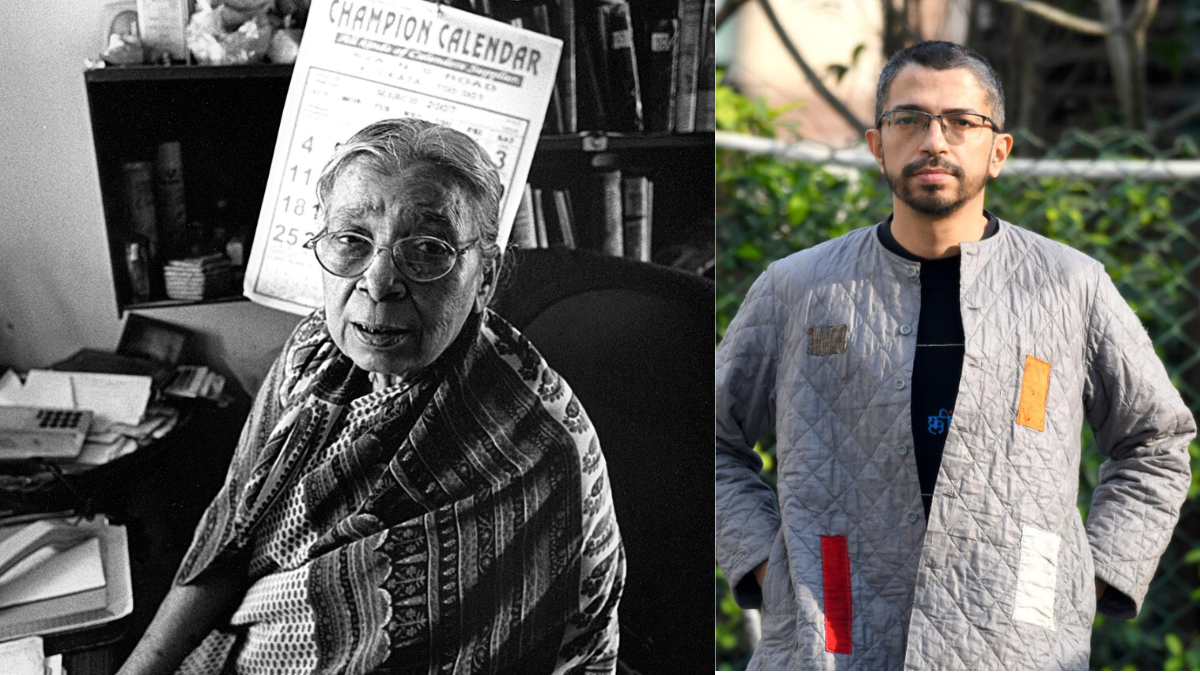
If not for a chance encounter during his years as a rickshaw-puller, the world may never have discovered one of Bengal’s most celebrated Dalit writers. At this year’s The Hindu Lit for Life, former refugee-turned-Naxalite-turned- writer-turned-politician Manoranjan Byapari recalled giving a rickshaw ride to a bespectacled, elderly professor in a sari and jhola from Kolkata’s Vijaygarh Jyotish Ray College. His inquiry into the meaning of the word jijivisha (enduring will to live) piqued the professor’s interest. She urged him to write for Bortika, the working-class magazine she edited. Before alighting, she scribbled her address on a slip of paper and signed it: Mahasweta Devi.“Just like Goddess Saraswati emerged in front of Kalidasa, Mahasweta appeared in front of this rickshaw-wallah,” Byapari said. “She recognised that a writer was hiding within me.”
Dalit writer and politician Manoranjan Byapari.
| Photo Credit:
Getty Images
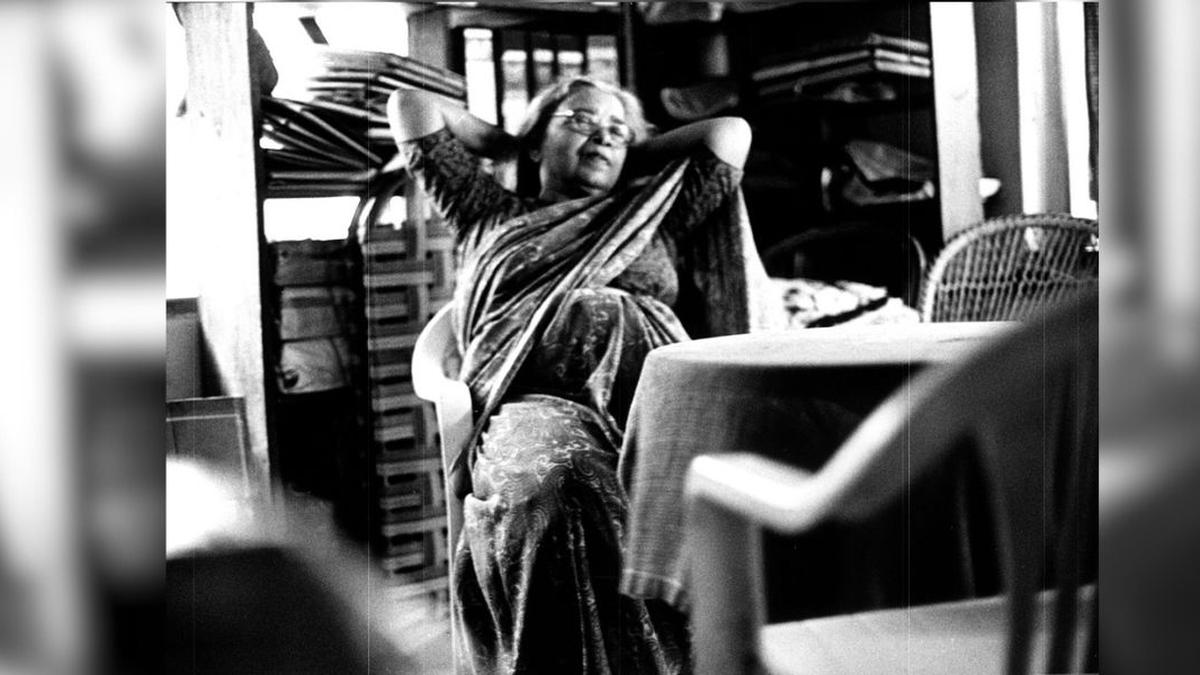
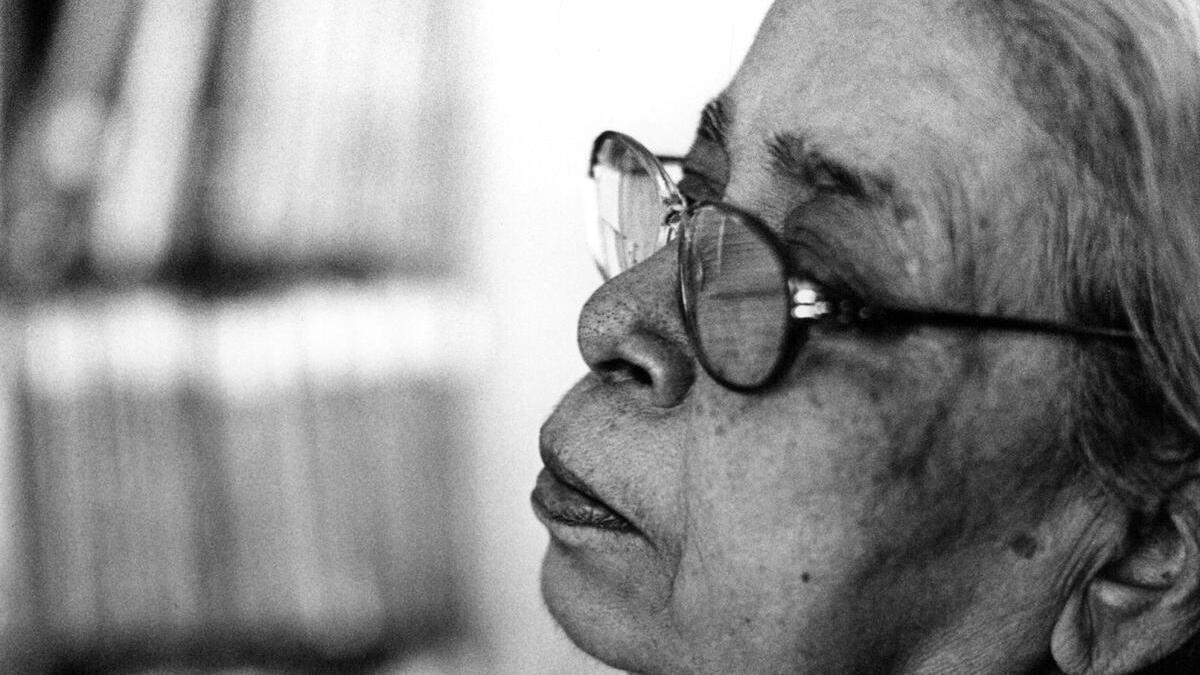
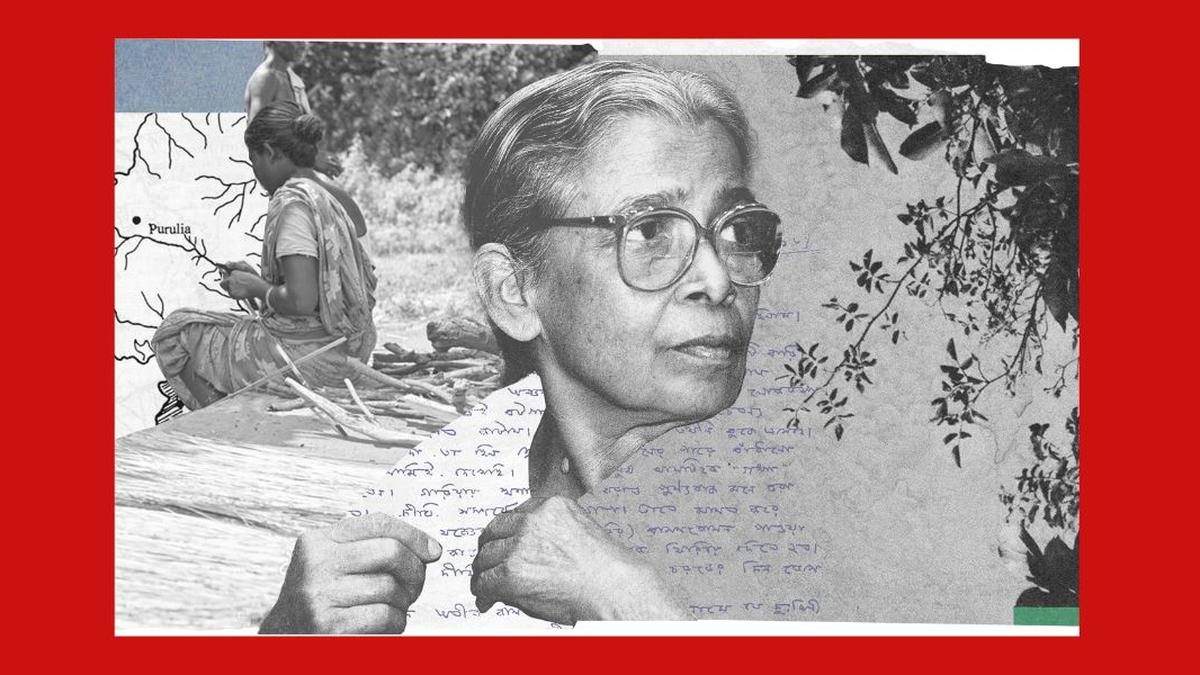
Over six decades, one of the foremost voices of modern Bengal’s literary conscience did not simply write about the marginalised, she encouraged them to tell their own stories. This year marks Mahasweta Devi’s birth centenary (January 14, 1926). A decade after her death (July 28, 2016), she remains a towering figure of Bengali literature, having written more than 100 books, around 350 short stories, and hundreds of essays, columns and reports.Yet her greatest legacy lies beyond literature; in the grassroots movements she helped build.The Dhaka-born, Santiniketan-bred Mahasweta Devi spent her life writing about the lives of Adivasis and women, refusing to let history reduce them to statistics and anecdotes. Her writing was naked; she never sugar-coated the brutality of life to suit the bhadralok (urban elite). She shifted the centre of her gravity to the forests, prisons, tribal settlements, and student movements. She travelled everywhere with a notepad, taking running notes of life as it unfolded. For Mahasweta, writing was never the end of engagement; it was one part of a larger political practice. Nowhere is that legacy more visible than among the Kheria Sabars of Bengal’s forested Purulia.A community remembersThe traditionally landless, nomadic hunter-gatherers still remember how their Maa (mother) worked tirelessly for their dignity and fought bureaucracies as fiercely as she wrote about injustice. The Kheria Sabars are one of India’s denotified tribes, branded “born criminals” under the British colonial Criminal Tribes Act of 1871.In Rajnowagarh area, a two-room mud house called ‘Mahasweta Bhawan’ preserves her bed, her books, and her photographs on the walls. Her close confidant Prasanta Rakshit, 66, has lived here over four decades.