view more
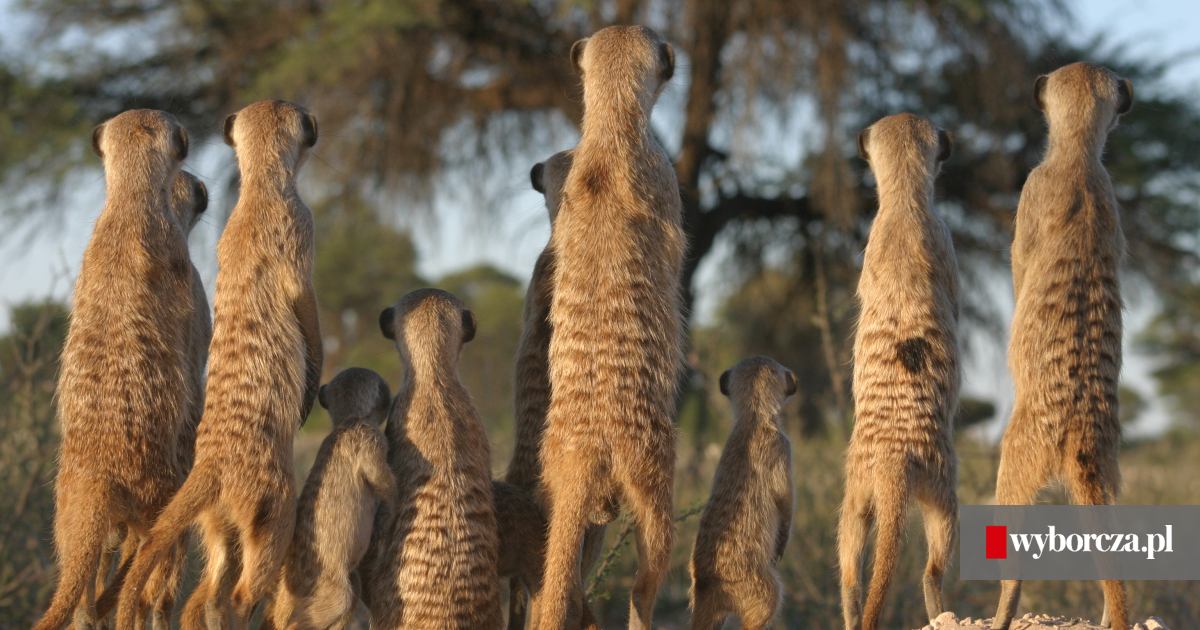
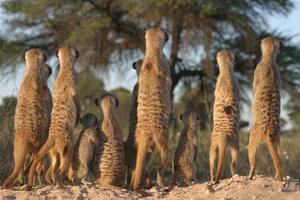
Social animals use a suite of preemptive behaviors in anticipation of conflict, including staying quiet, monitoring their surroundings, conducting raids, and bonding through play. In a review publishing in the Cell Press journal Trends in Ecology & Evolution on July 16, researchers describe how environmental cues and memories of past events can trigger these behaviors. Over generations, these pre-war preparations could impact socio-cognitive evolution, population dynamics, and community structures.
“Intergroup conflict is rife throughout the natural world, being found in social species from ants to primates,” says corresponding author Andrew Radford of the University of Bristol in the UK.
Conflict over resources such as territory space, food, or mating exerts a powerful evolutionary force on social species, potentially impacting fitness and survival, say the researchers. Traditionally, research has focused on actions between rival groups during contests and the behavioral consequences afterward. But evolution can also select for preemptive behaviors that maximize the chances of winning in a conflict.
“What is becoming very clear is that preemptive behavior is widespread whenever intergroup conflict is found,” says first author Josh Arbon of the University of Bristol. “There is growing evidence that the amount of anticipatory behavior displayed is dependent on the current threat level. More is seen when rivals are more likely to be encountered, larger in size, less familiar, or more likely to attack.”