view more
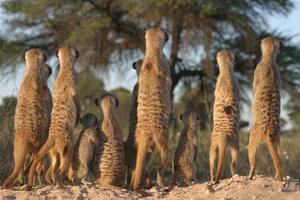
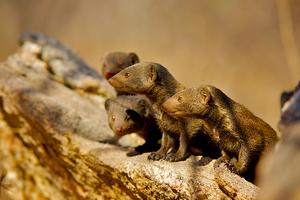
Dwarf mongooses anticipate encounters with rival groups and adjust how they move, communicate and defend resources beforehand, according to new research from the University of Bristol.
The study, published in Nature Ecology & Evolution today [16th June 2026], shows that mongoose groups alter their behaviour in areas where fights with rivals are most likely, even in the absence of another group. The biggest changes are when the anticipated threat is greatest.
Lead author Dr Josh Arbon, from the School of Biological Sciences, explained: “Not only are the mongooses keeping track of where their enemies might be, but they’re factoring in the relative size of different groups. They can then tailor their pre-emptive behaviour accordingly.”
Dwarf mongooses are Africa’s smallest carnivore, living in groups of 5 to 30 that collectively defend a territory against neighbours. Fights often break out when groups encounter one another, which can lead to injury or even death.