view more
From traffic lights to fashion trends, changing from red to green can signal much more than a shift in color.
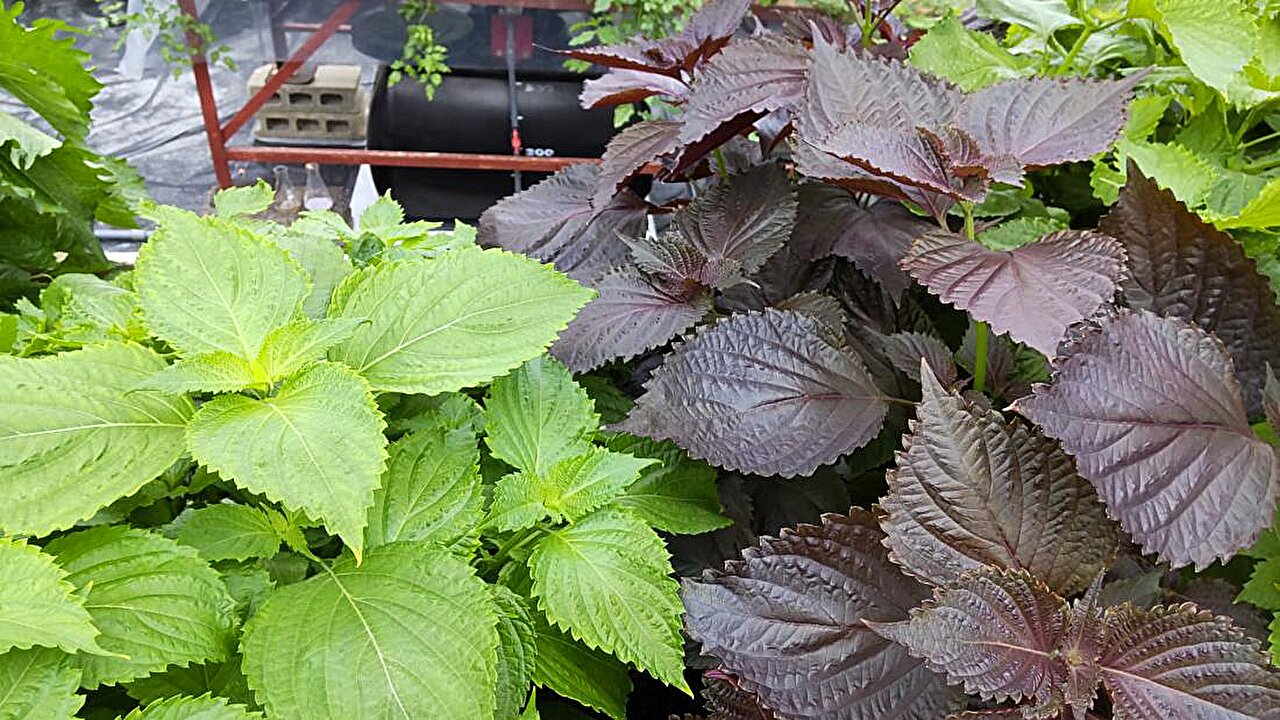
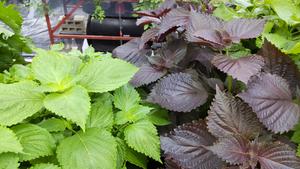
Now, Hiroshima University researchers have shown that the same is true for perilla. Using genome editing, they transformed red perilla into a green look-alike and simultaneously restructured the plant’s chemistry to boost levels of compounds prized for their potential health benefits. The findings point to a new strategy for developing high-value crops for the food and pharmaceutical industries.
The study was published in Frontiers in Plant Science on June 15.
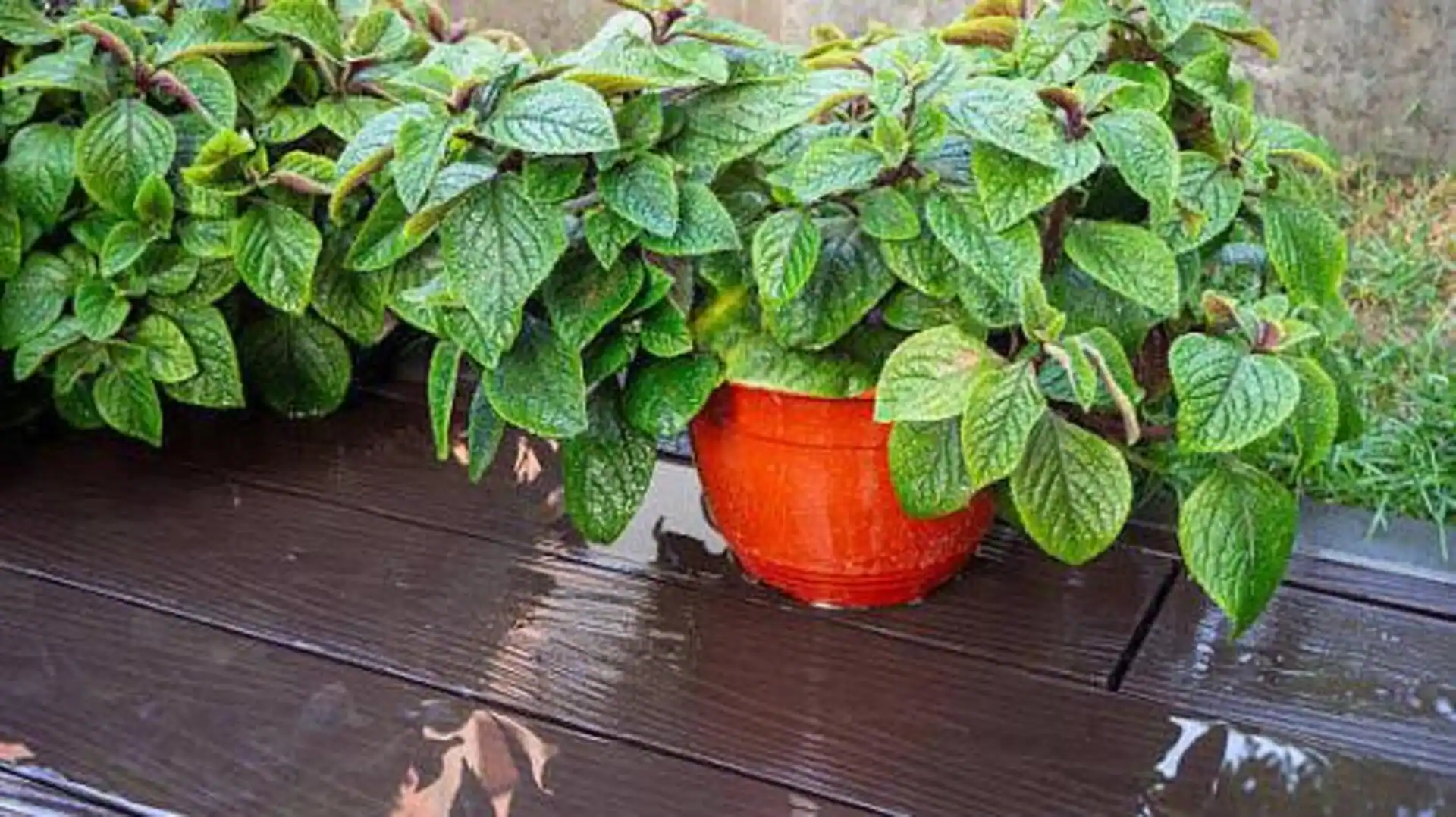
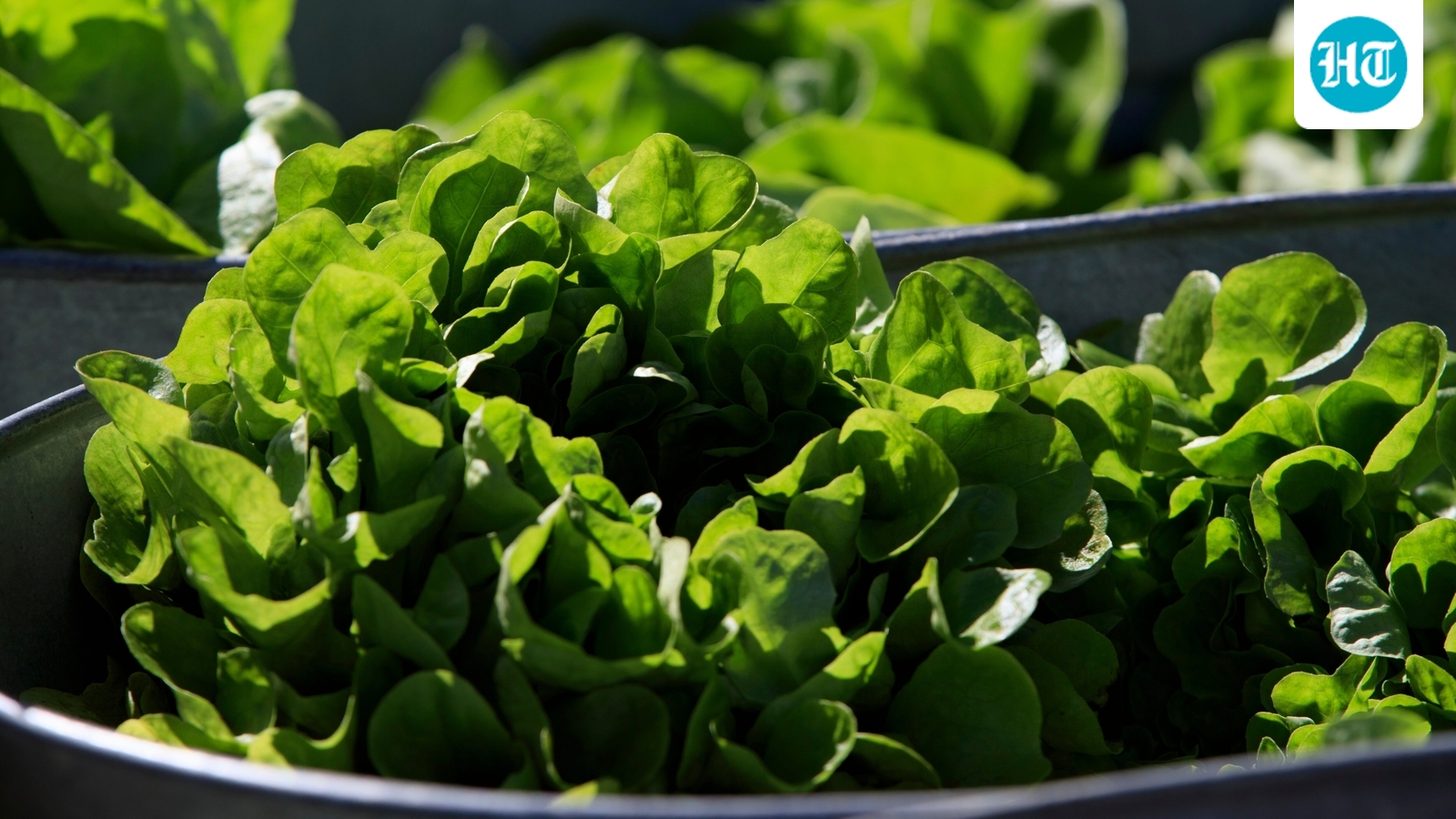
Perilla, a member of the mint family, is cultivated throughout Asia and is known by many names, including shiso in Japan, kkaennip in Korea and tía tô in Vietnam. The plant is broadly classified into red and green varieties based on leaf color, a trait that strongly influences its culinary uses, market value and consumer appeal. In Japan, red perilla is valued for imparting a distinctive color and flavor to pickled plums, whereas green perilla is commonly consumed fresh for its aroma and taste.