HomeAI · summaries
Storia in 2 fonti
Reinventing perilla: Genome editing boosts a traditional herb’s potential
Researchers used CRISPR-Cas9 to edit a single gene in red perilla, turning its leaves green and boosting levels of health-promoting compounds. The edited plants accumulated about six times more luteolin and increased rosmarinic acid, demonstrating a strategy for developing high-value perilla for food and pharmaceutical applications.
Confronto fonti
2 prospettive sulla stessa storiaTimeline cronologica
- ·
phys.org
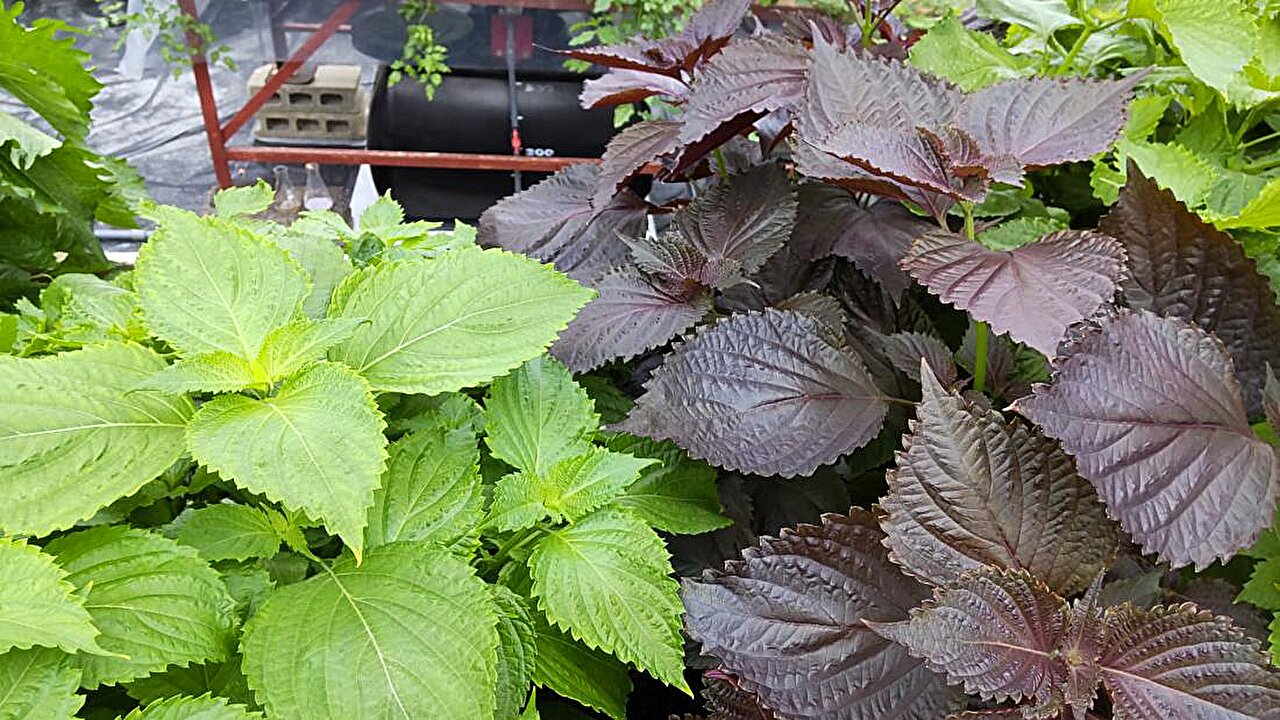
Disrupting single enzyme gene in herb red perilla produces green plants with enriched health-promoting molecules
Hiroshima University researchers have used genome editing to transform red perilla into a green look-alike and simultaneously restructured the plant's chemistry to boost levels of…
- ·
eurekalert.org
Reinventing perilla: Genome editing boosts a traditional herb’s potential
Researchers used CRISPR-Cas9 to edit a single gene in red perilla, turning its leaves green and boosting levels of health-promoting compounds. The edited plants accumulated about…