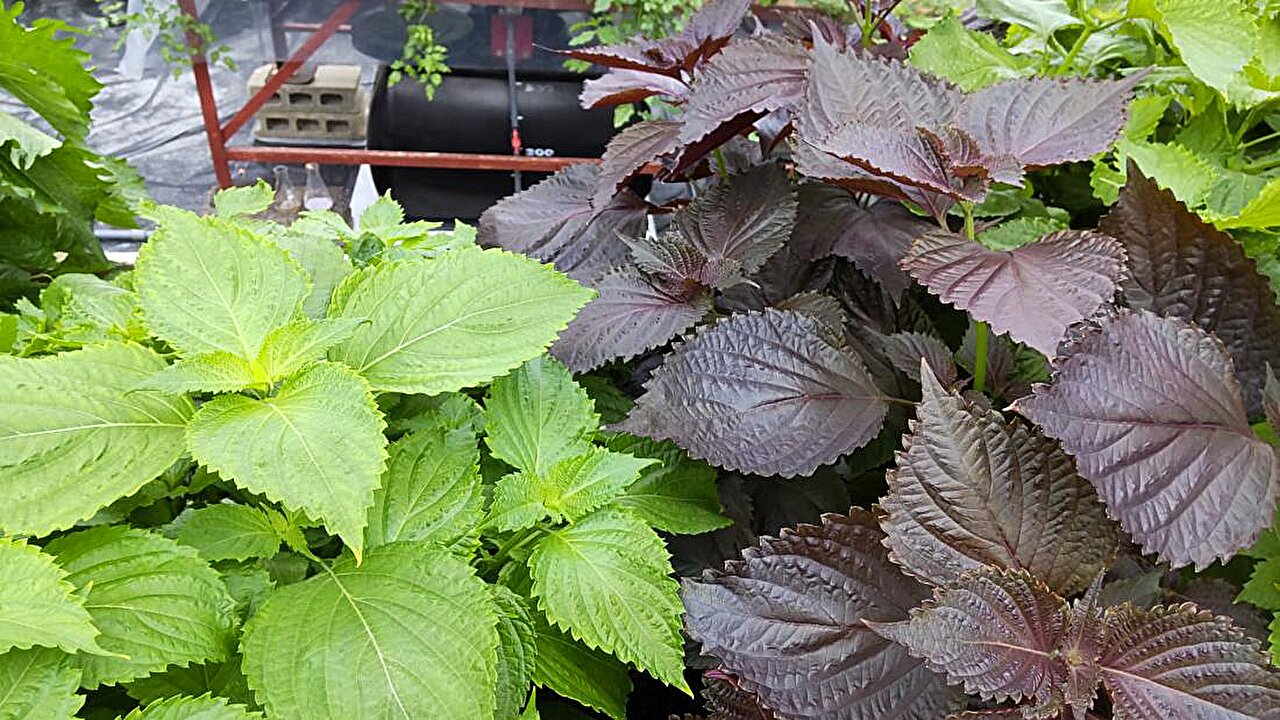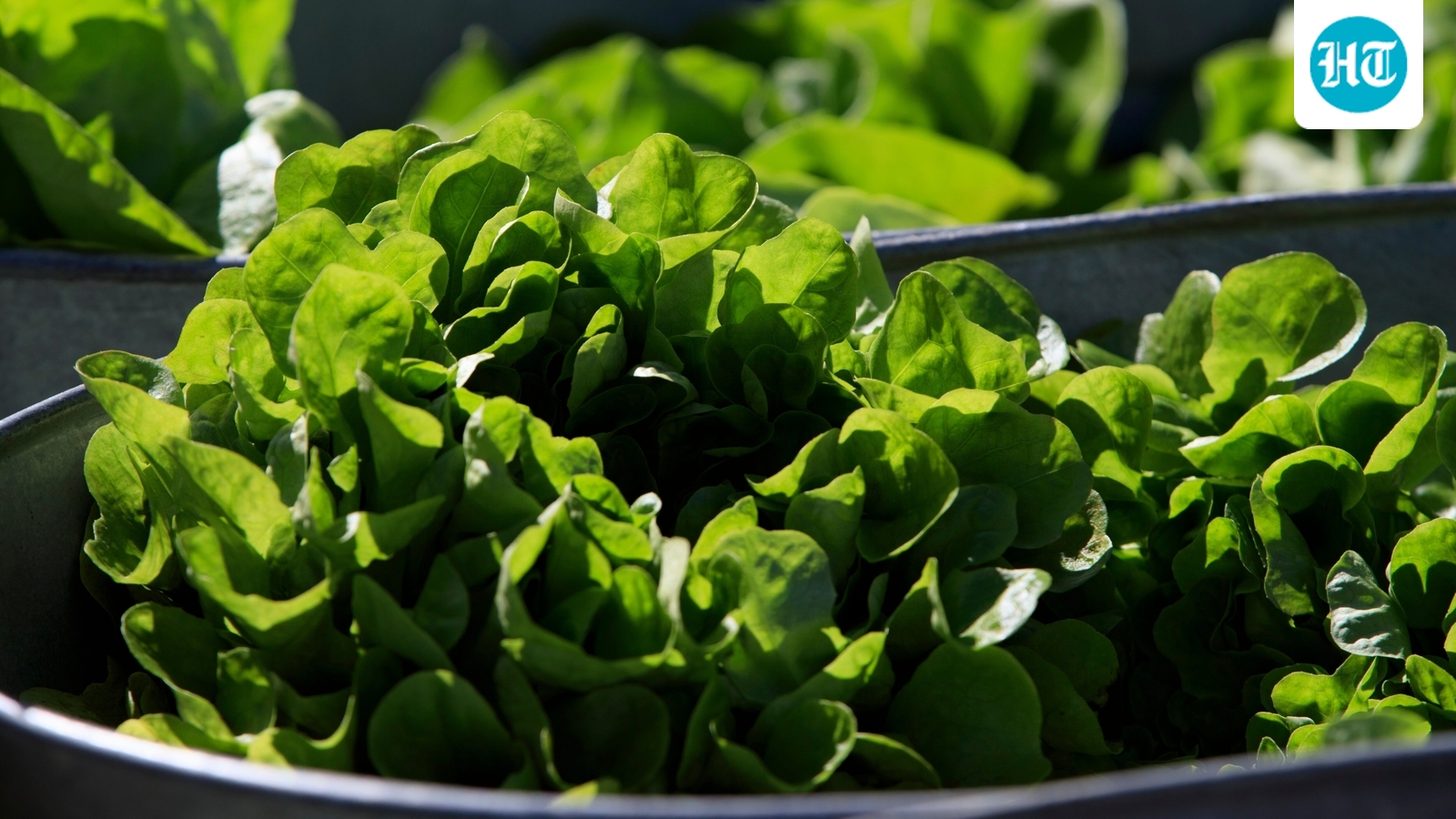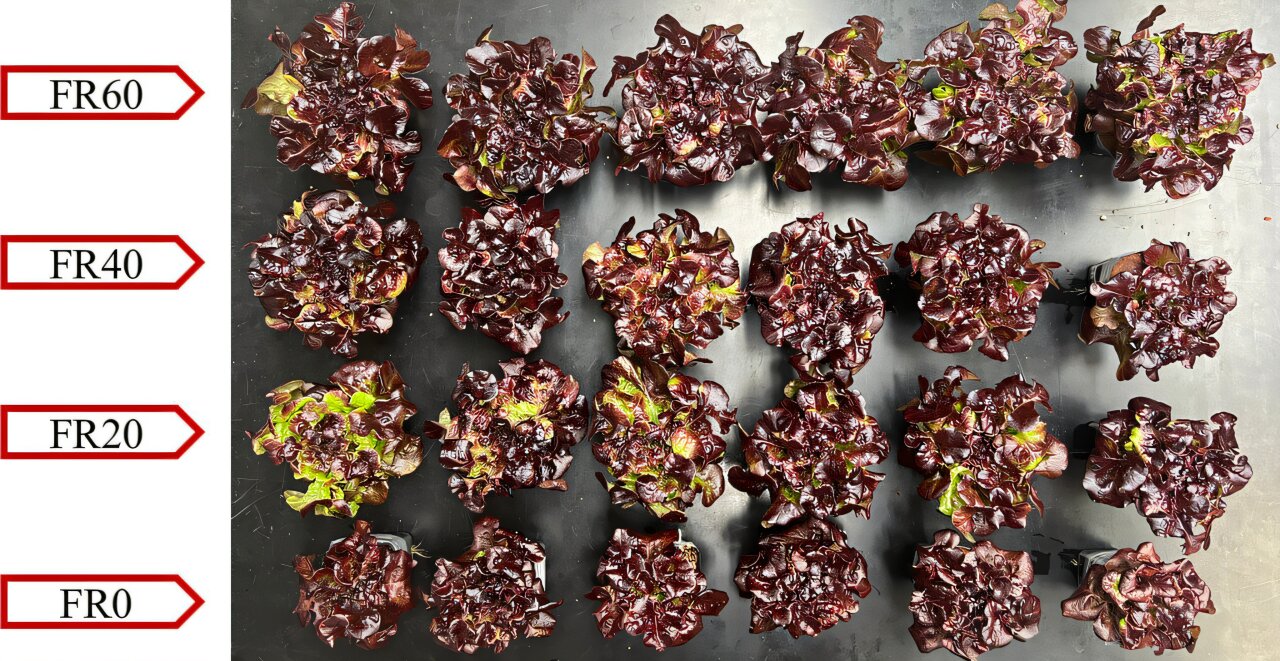
The red color of red leaf lettuce comes from anthocyanins, a group of polyphenol pigments that have attracted attention for their antioxidant properties. Plants produce anthocyanins through a series of enzyme driven reactions that begin with the amino acid phenylalanine. Along the way, the pathway generates a variety of flavonoids, a broad category of plant compounds that serve many functions before some are eventually converted into anthocyanins.
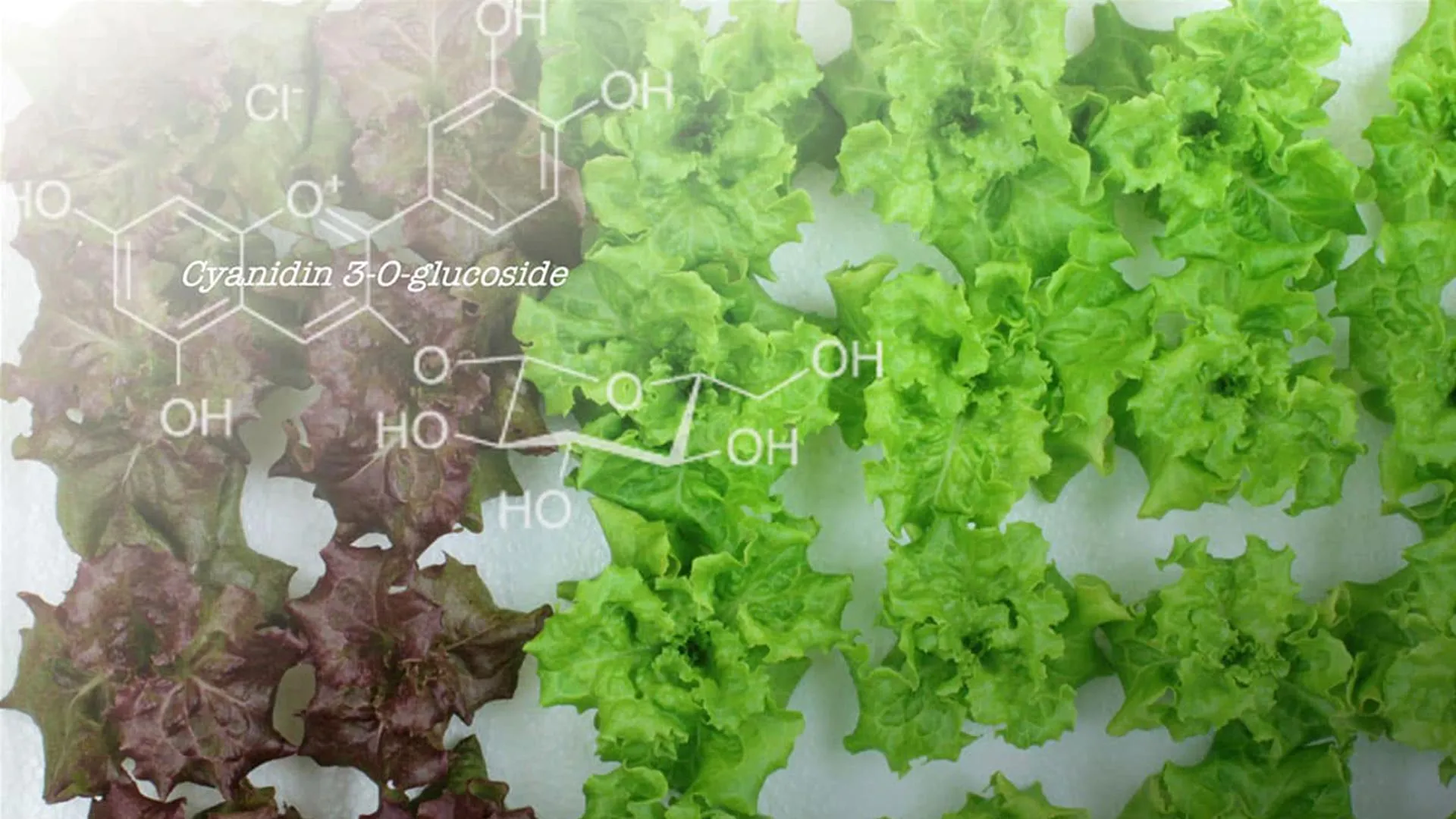
In the new study, researchers used genome editing to switch off the gene responsible for producing dihydroflavonol 4-reductase, an enzyme involved in a critical step just before anthocyanins are formed in red lettuce. Once this gene was disabled, the plants no longer produced their characteristic red pigmentation.
Further analysis of the lettuce revealed another important change. Levels of several other flavonoids increased, including quercetin. The findings suggest that blocking anthocyanin production redirected the plant's biochemical activity toward the buildup of these other compounds within the flavonoid biosynthesis pathway.
No Major Impact on Plant Growth
Despite the significant changes in pigment and flavonoid composition, the modified lettuce showed no meaningful reduction in growth. This result suggests that it may be possible to alter the balance of flavonoids in lettuce by encouraging the accumulation of precursor compounds instead of anthocyanins, while still maintaining normal growth and productivity.