France’s 30-year government bond yield has climbed to approximately 4.72%, a level the country hasn’t seen since the global financial crisis in 2008. For context, the last time French borrowing costs were this high, Lehman Brothers had just collapsed and the world was learning what “credit default swap” meant.
The yield rose roughly 0.03 percentage points in a single day, with a 0.26 point increase over the preceding month. That might sound small, but in sovereign bond markets, where trillions of dollars ride on basis-point moves, this is the kind of trajectory that makes treasury ministers lose sleep.
The road from zero to here
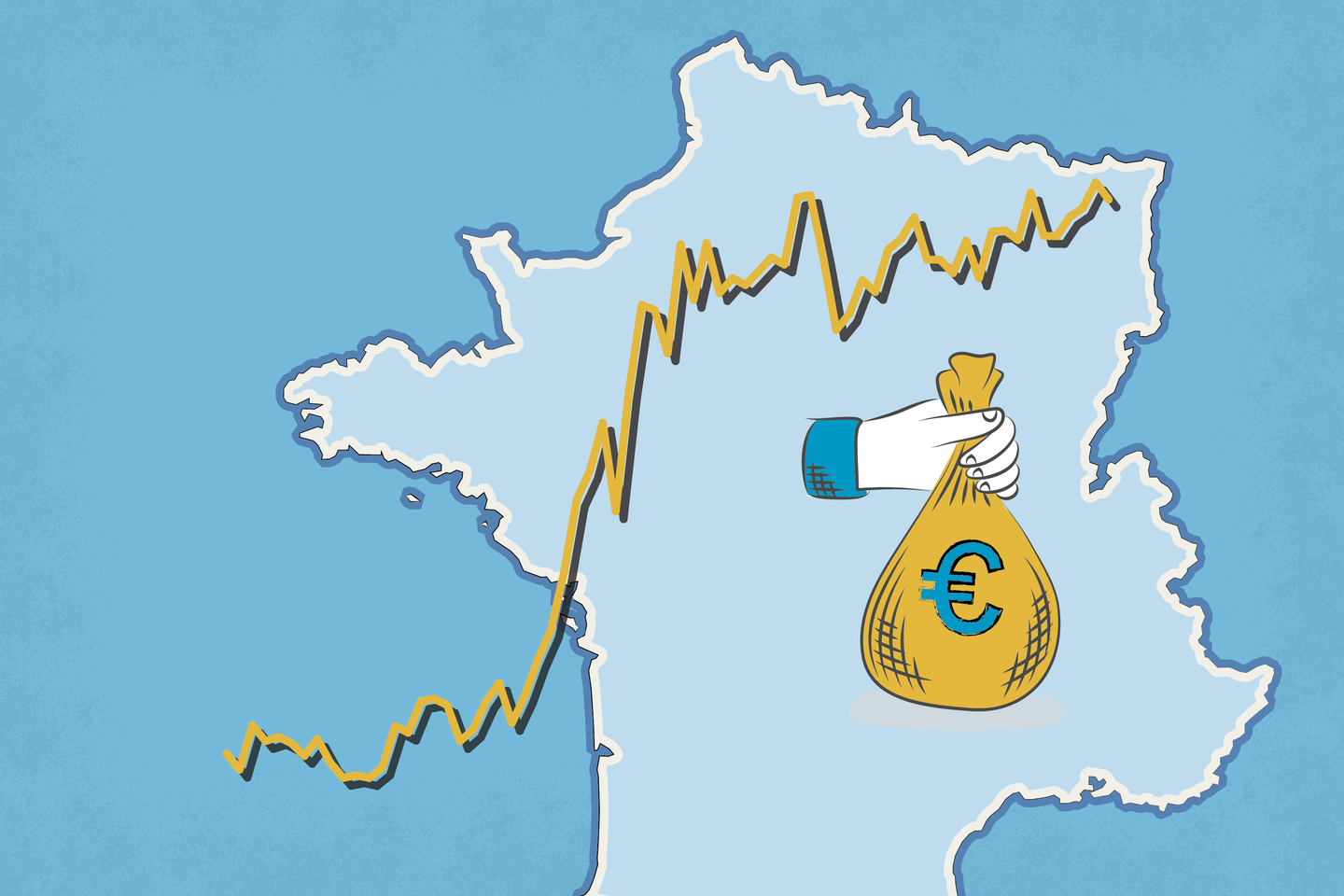
The previous all-time peak for France’s 30-year yield came in September 2008, when it hit 5.07%. We’re not there yet, but the gap is closing. And bond traders love round numbers the way moths love light bulbs, meaning the 5% threshold is now the level everyone is watching.
This isn’t France’s first brush with yield anxiety in recent memory. In September 2025, the 30-year yield briefly touched 4.5% amid political instability in the country. The fact that it has since pushed significantly higher suggests the pressures are structural, not merely episodic.