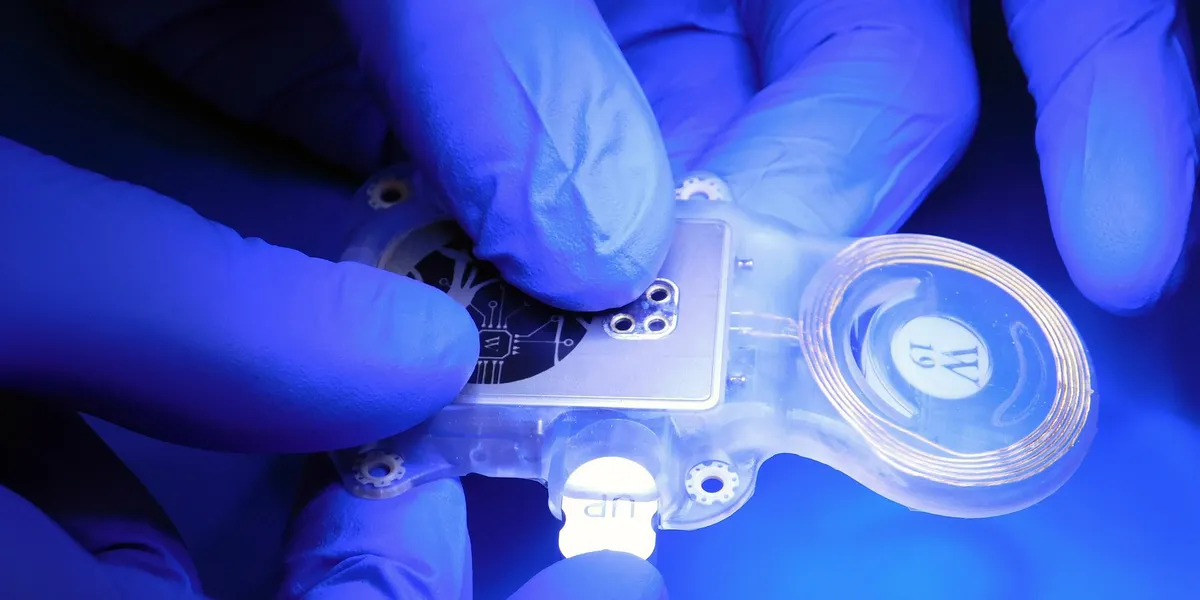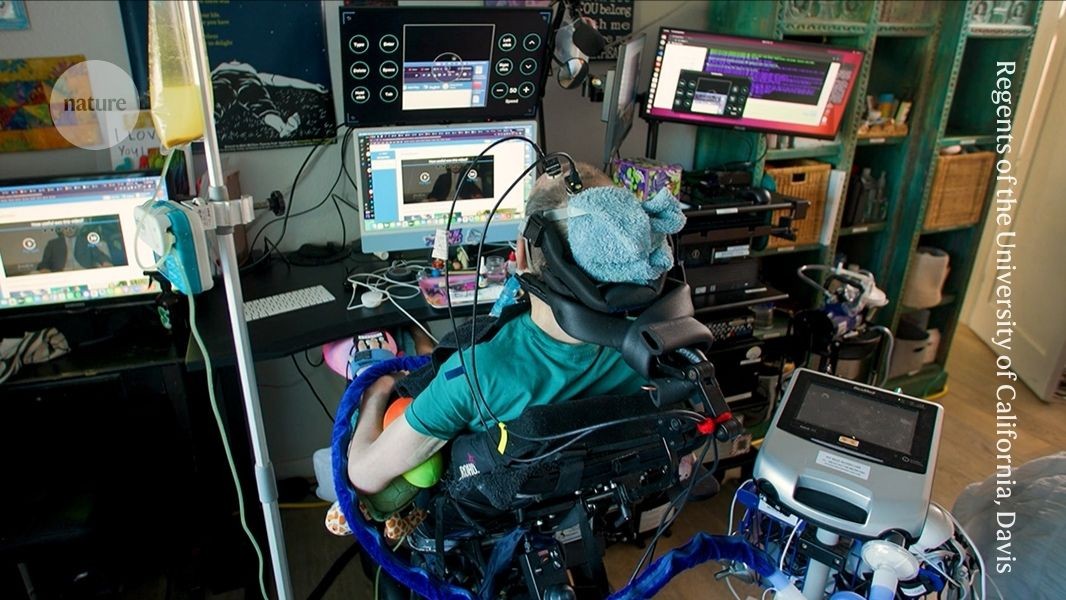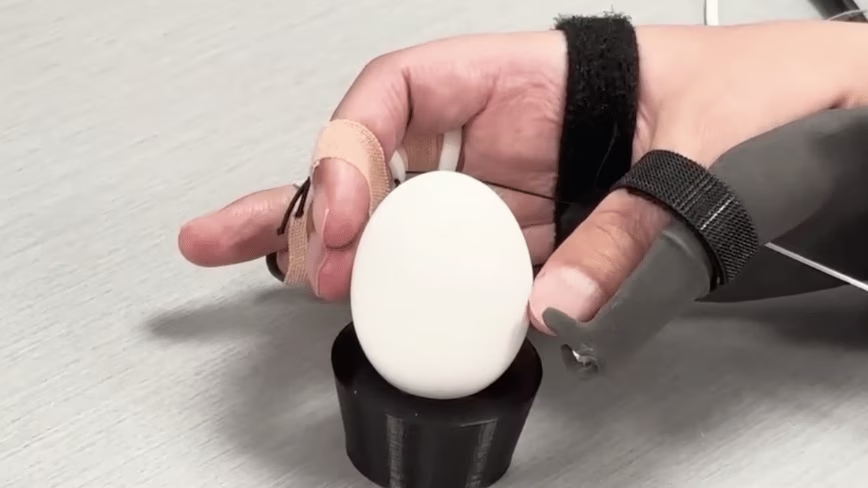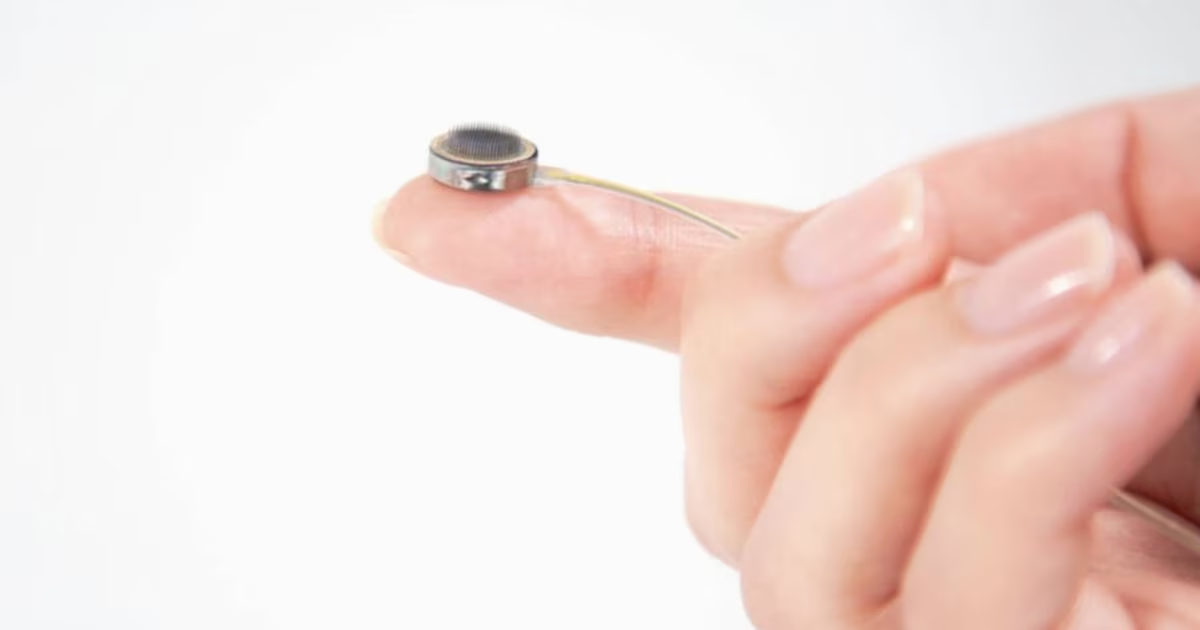
Implantable devices in the brain have been used for about 30 years to assist disabled individuals in completing motor tasks. However, the devices are simply not accessible to the vast majority of people in need of help. Despite decades of work in this field, fewer than than 100 individuals worldwide have benefited from the technology. The costs are prohibitive and the brain surgeries are inherently risky.
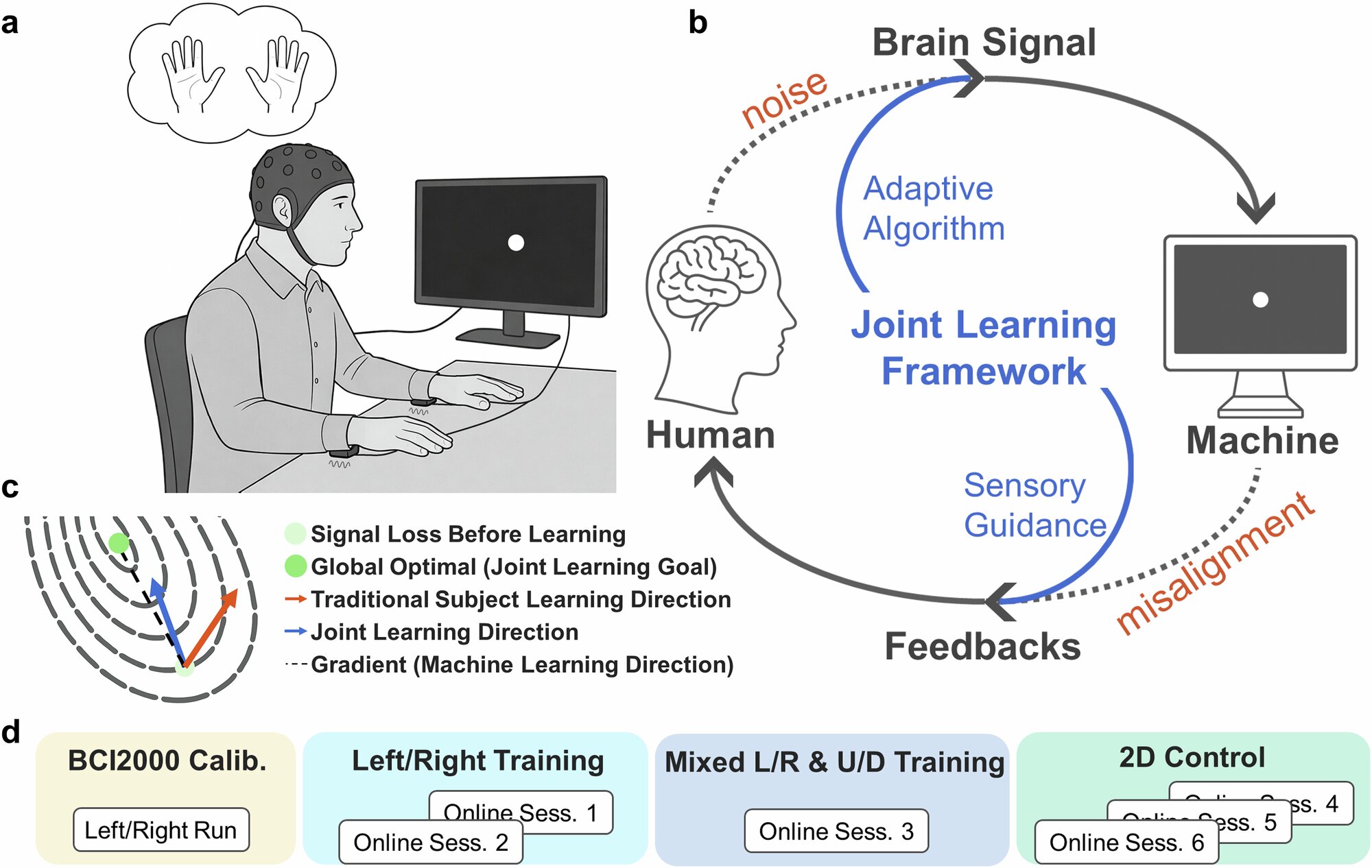
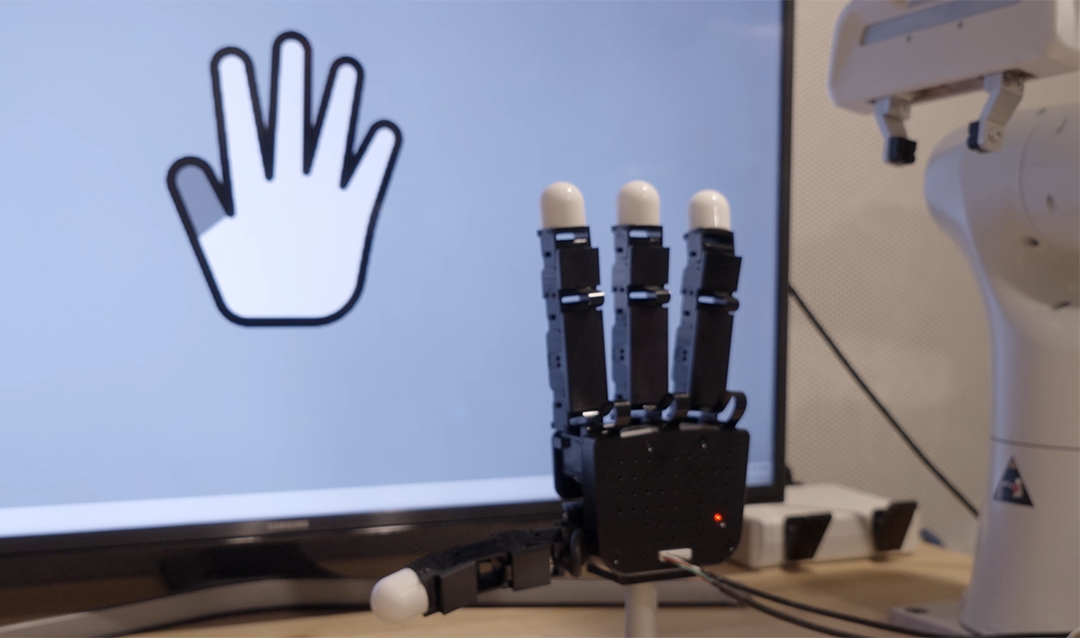
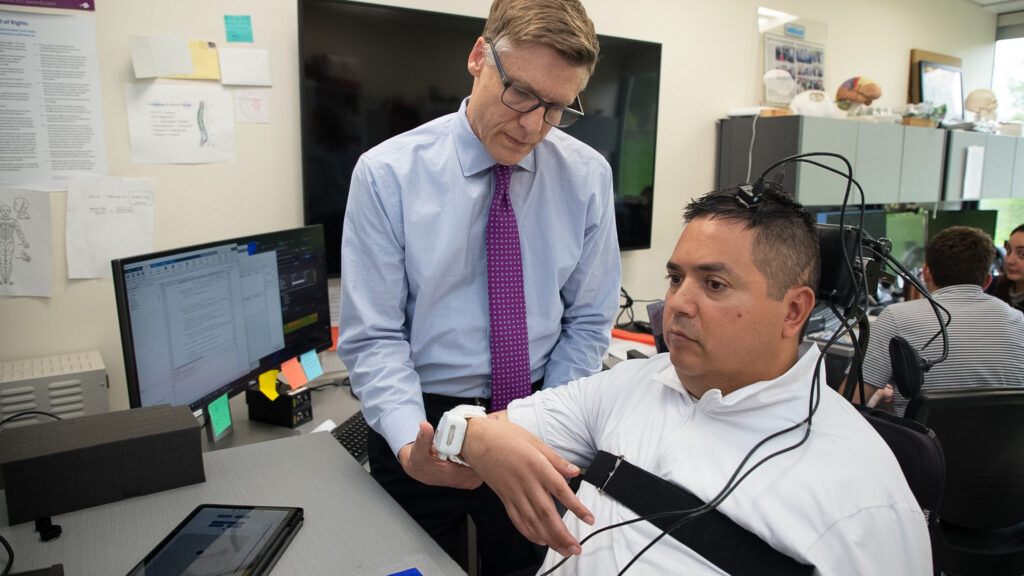
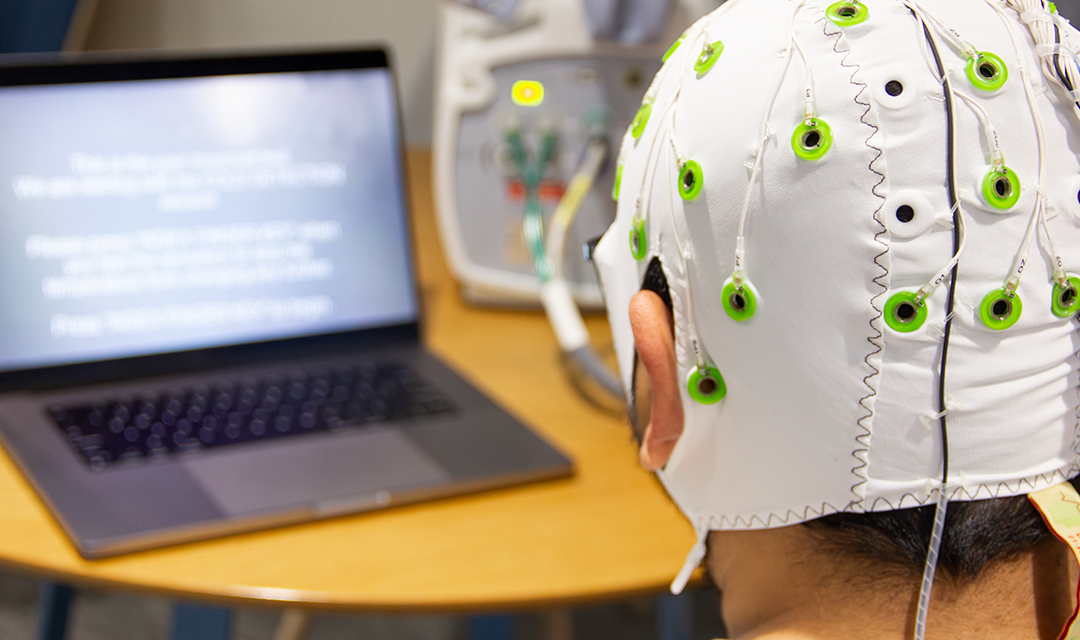
That’s why Carnegie Mellon researchers, including Bin He, professor of biomedical engineering, electrical and computer engineering, and the Neuroscience Institute, have long been working on noninvasive brain-computer interfaces (BCIs) to develop technology that is less expensive, safer and more accessible to a wider population. Over the last 10 to 15 years, they have used noninvasive BCIs to fly a drone, maintain continuous control of a robotic arm, and most recently, complete fine motor tasks at the finger level. Yet the accuracy and level of control using noninvasive technology remains challenging.
The more work we do in this area, the more likely we will one day reach a non-invasive BCI that is as accurate as an implanted device in the brain.
Bin He, Professor, Biomedical Engineering