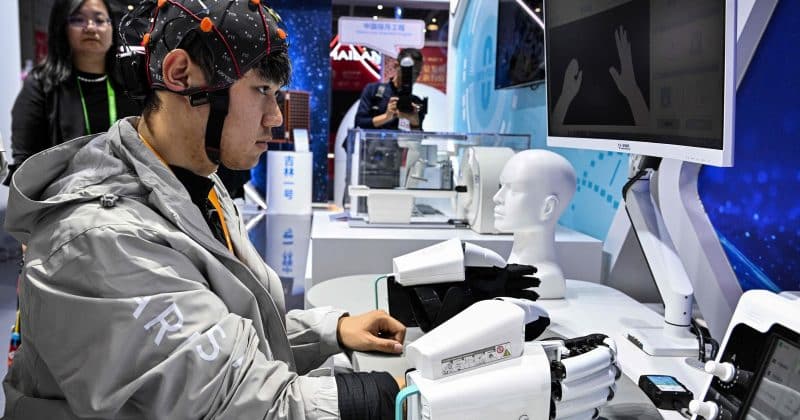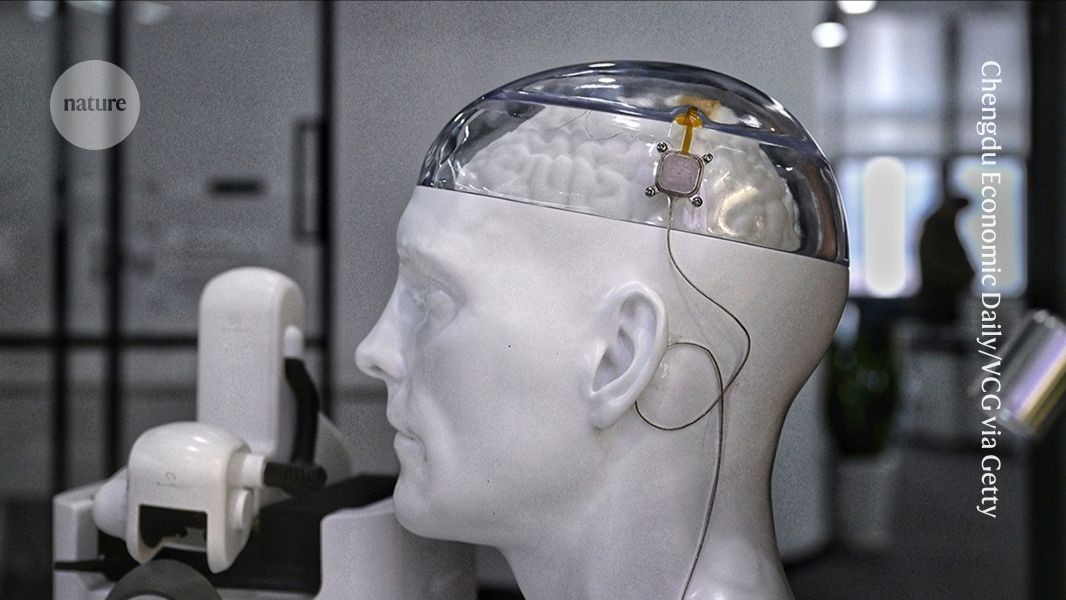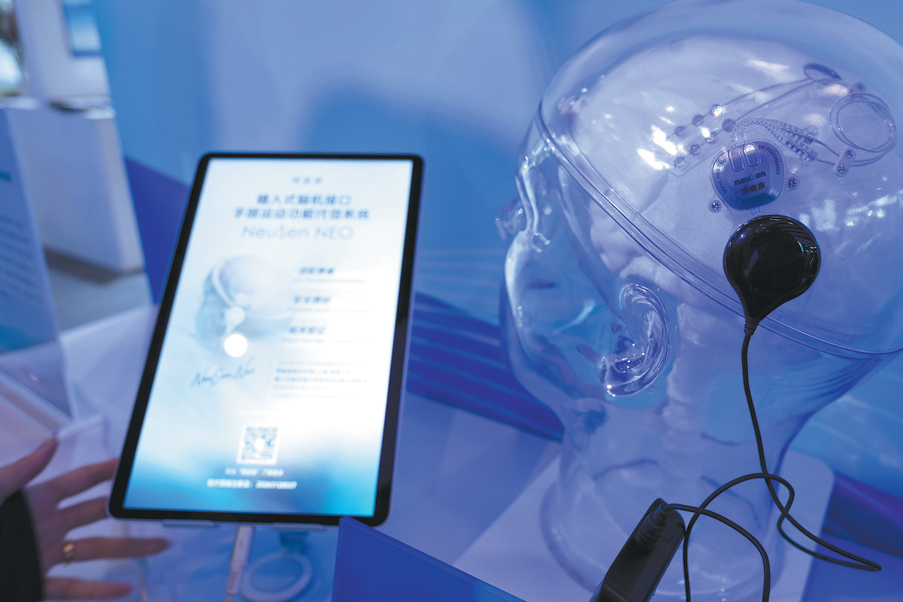
China is determined to become a global leader in the burgeoning market for brain-computer interfaces, or BCIs. This week, it took a big step towards achieving that goal. Multiple Chinese news outlets reported on Wednesday that Chinese neurotechnology firm Neuracle (also known as Borui Kang Medical Technology) had performed the world’s first successful surgical implant of a commercial BCI in the brain of a patient who’d lost mobility in his hand following a spinal cord injury a decade ago. The device—called Neural Electronic Opportunity, or NEO—is roughly the size of a coin. It contains eight electrodes and is surgically implanted onto the surface of the brain’s sensorimotor cortex, where it records electrical signals fired between neurons as a patient imagines moving their hand. It then sends those signals to a computer, which translates them into motor signals enacted by a robotic glove worn by a patient. NEO was approved by China’s National Medical Products Association in March, making it the first invasive BCI to be given the thumbs-up for commercial use by a national regulatory agency. It’s a big win for Neuracle as it ramps up its competition with Elon Musk’s Neuralink. In 2024, that company successfully implanted a BCI in a human brain—though that was not the first ever successful BCI. Neuralink has yet to receive approval from the Food and Drug Administration, a required step before bringing a new medical treatment or drug to market in the U.S. Musk’s company said earlier this year that it had twenty-one people enrolled in clinical trials.
China Just Performed the World’s First Implant of a Commercial Brain-Computer Interface
The device, called NEO, records neuronal activity and translates it to movements made a metal glove worn by a patient.
434 words~2 min read