Robotic systems have the potential to greatly enhance daily living for the more than one billion individuals worldwide who experience some form of disability. Brain-computer interfaces, or BCIs, present a compelling option by enabling direct communication between the brain and external devices, bypassing traditional muscle-based control.
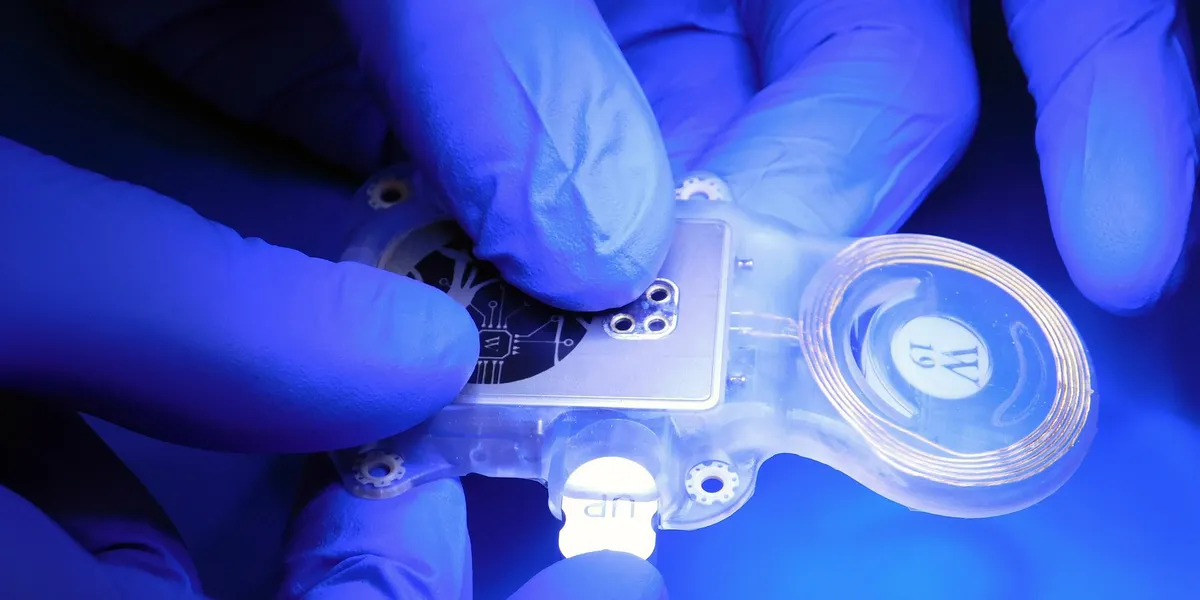
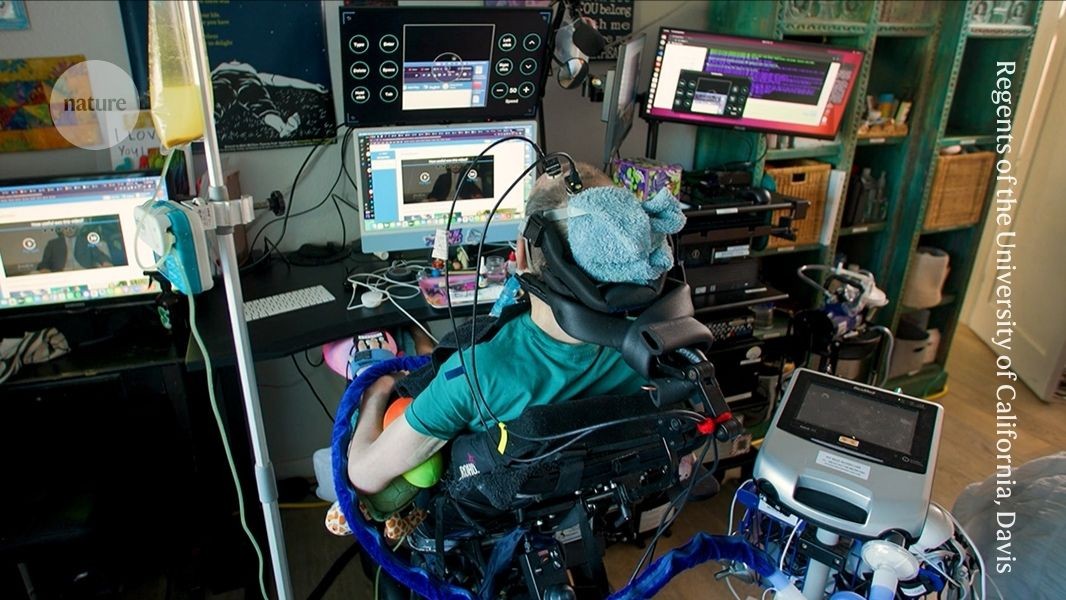
While invasive BCIs have demonstrated the ability to control robotic systems with high precision, their reliance on risky surgical implantation and ongoing maintenance restricts their use to a limited group of individuals with severe medical conditions.
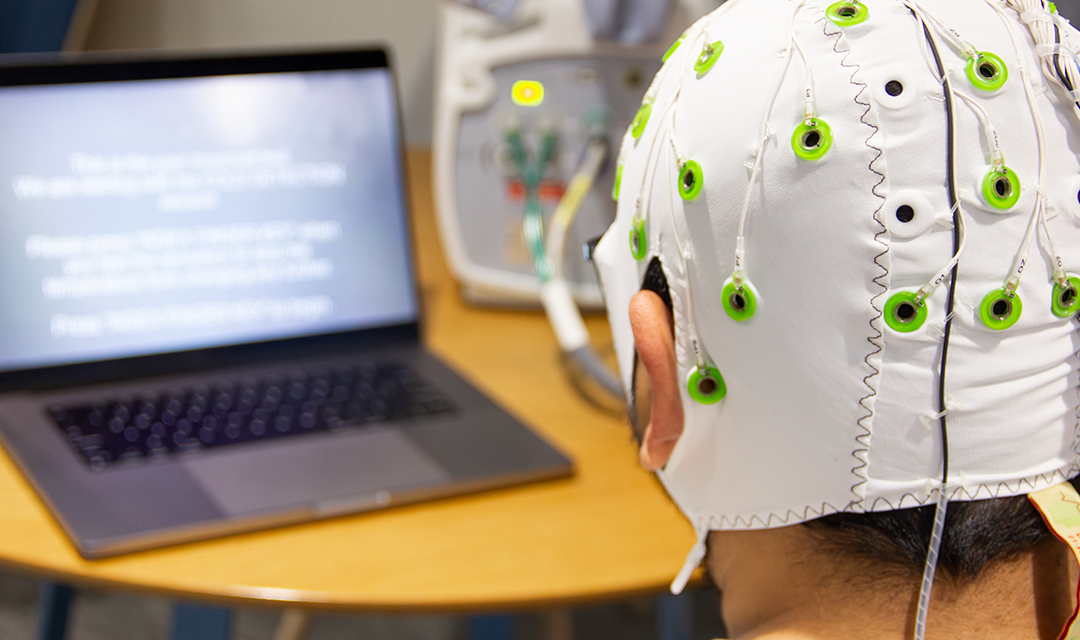
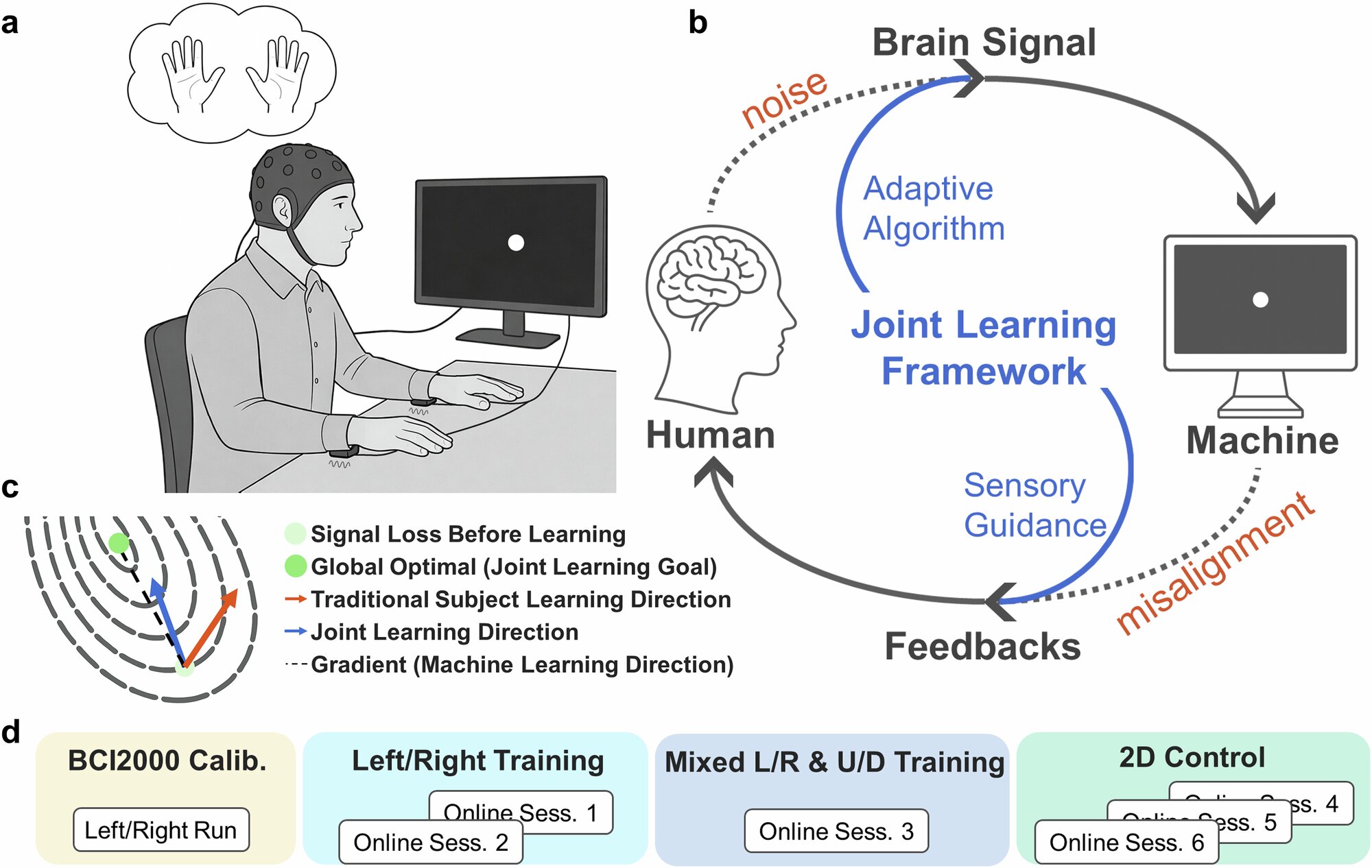
Carnegie Mellon University professor Bin He has spent more than two decades investigating noninvasive BCI solutions, particularly those based on electroencephalography (EEG), that are surgery-free and adaptable across a range of environments. His group has achieved a series of groundbreaking milestones using EEG-based BCIs, including the first successful flight of a drone, the first control of a robotic arm, and the first to control a robotic hand for continuous movement.
\
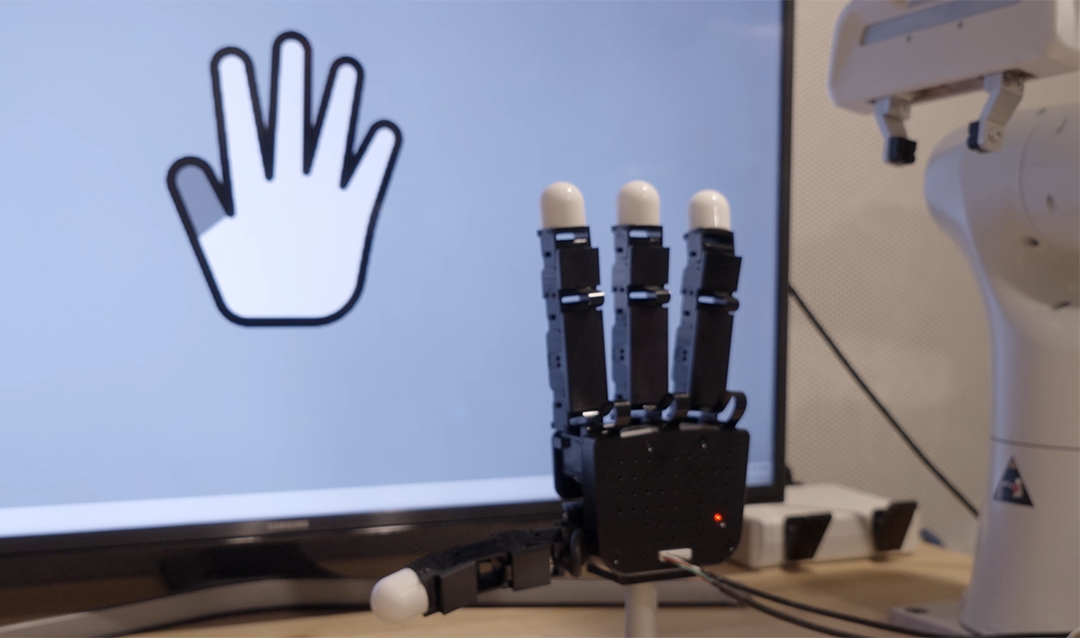
As detailed in a new study in Nature Communications, He’s lab brings noninvasive EEG-based BCI one step closer to everyday use by demonstrating real-time brain decoding of individual finger movement intentions and control of a dexterous robotic hand at the finger level.