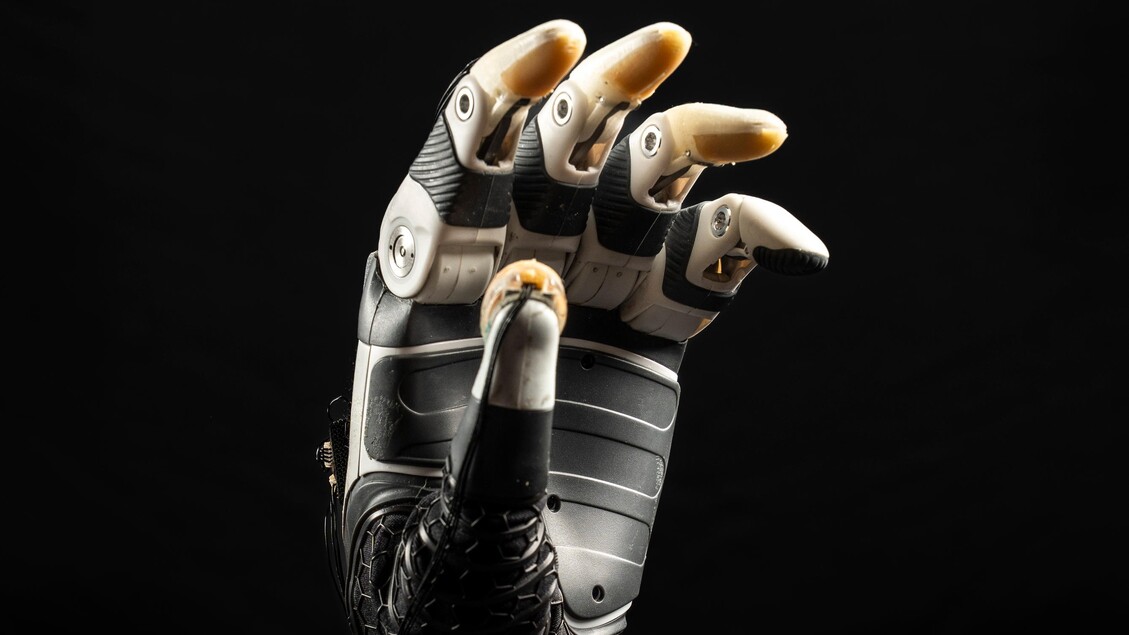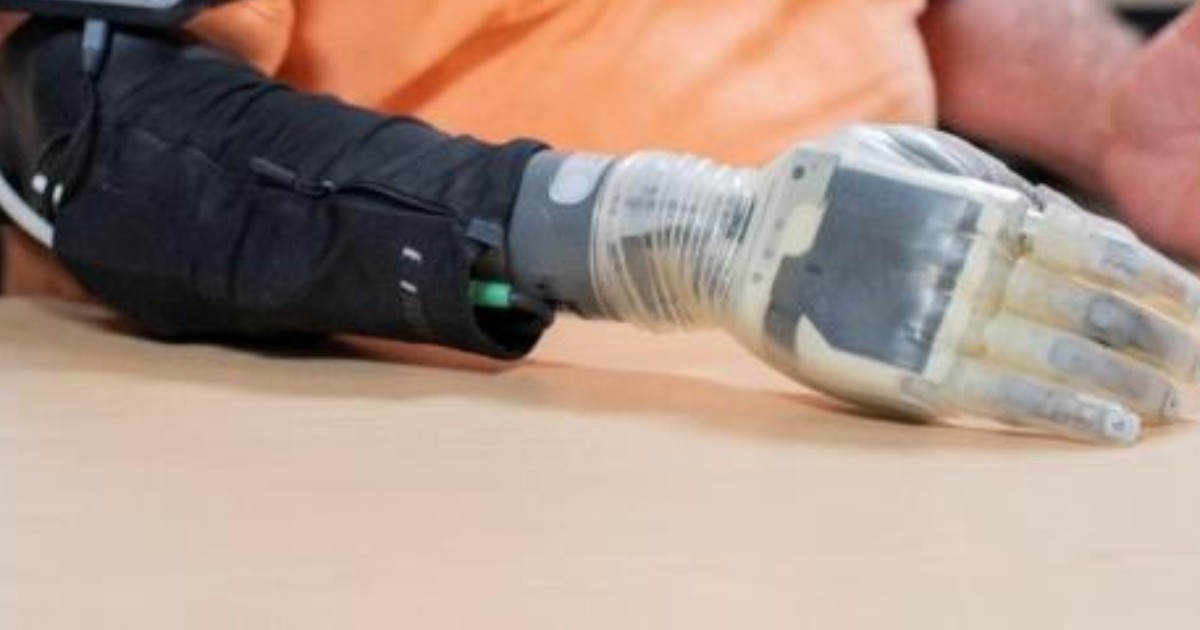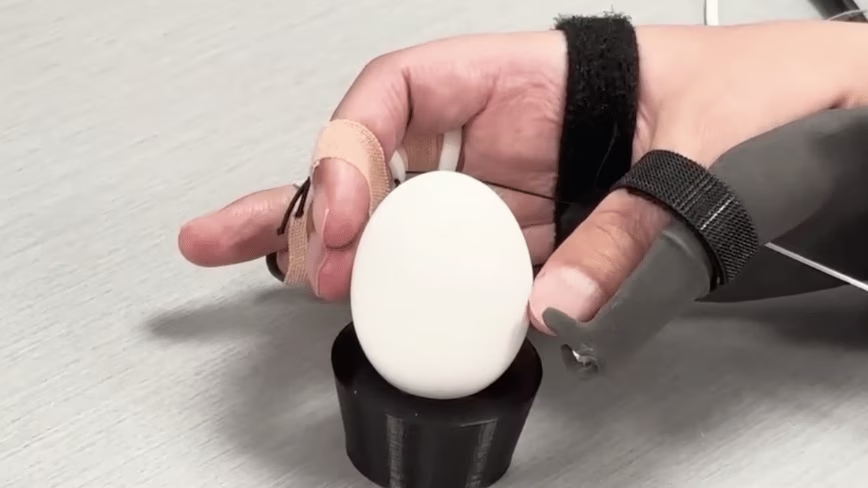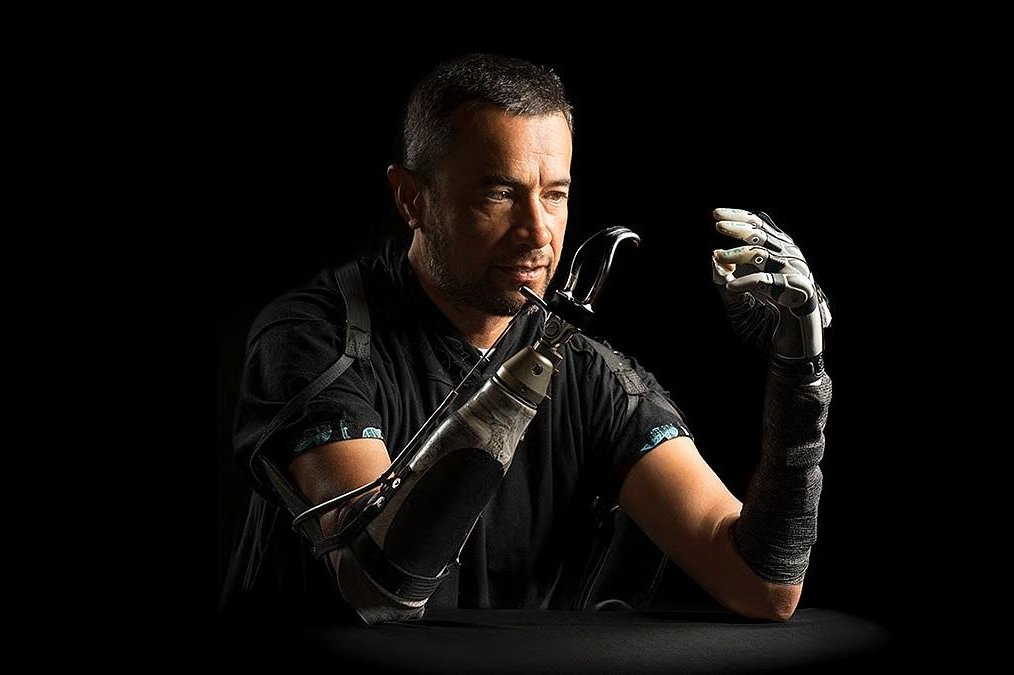
The best way to improve amputees' control over a bionic hand is to give the hand a mind of its own, a new study argues.
A bionic hand that's controlled by an artificial intelligence program, but under the direction of the amputee, provides the best approximation of normal hand dexterity, researchers said Tuesday in the journal Nature Communications.
"As lifelike as bionic arms are becoming, controlling them is still not easy or intuitive," said lead investigator Marshall Trout, a postdoctoral researcher at the University of Utah NeuroRobotics Lab in Salt Lake City.
"Nearly half of all users will abandon their prosthesis, often citing their poor controls and cognitive burden," Trout added in a news release.
Related