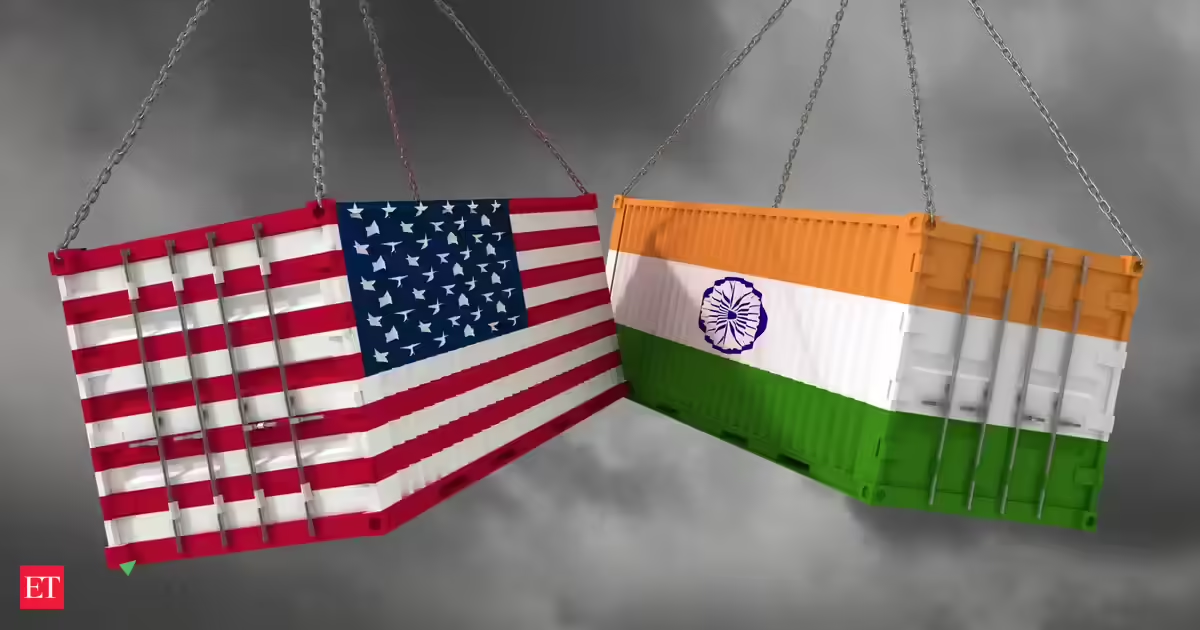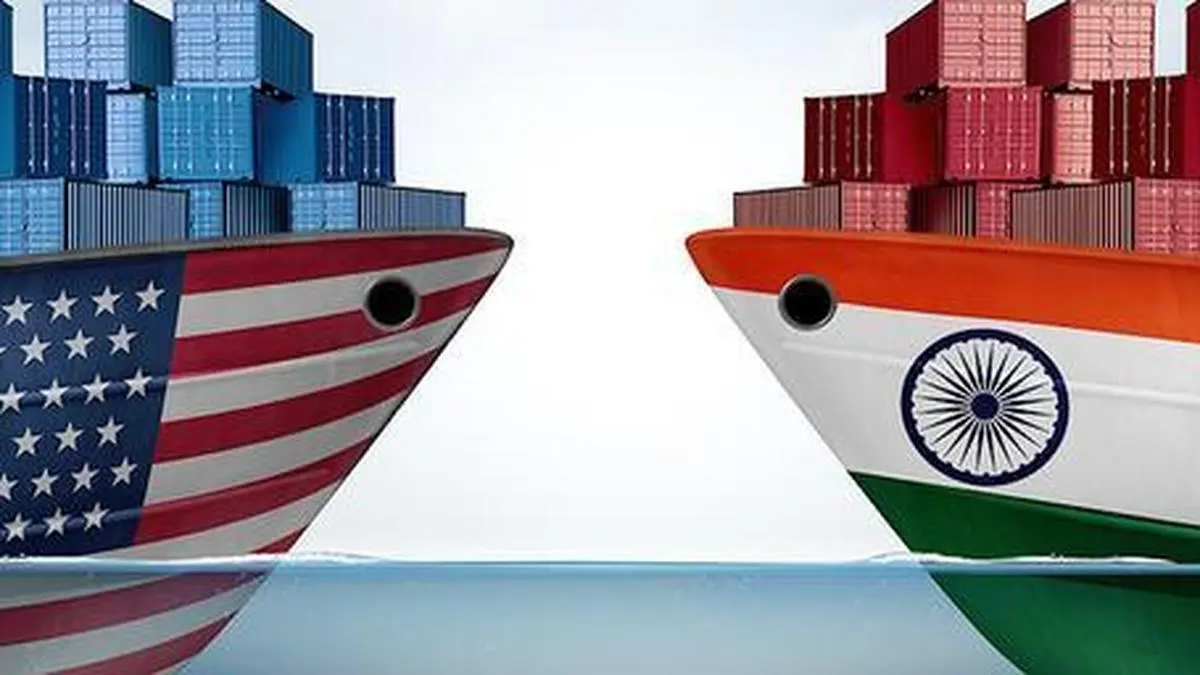
India’s key export sectors could all face uncertainty depending on how the US proceeds with the Section 301 investigations on structural excess capacity and forced labour.
| Photo Credit:
wildpixel
The United States’ decision to impose an additional 25 per cent tariff on a broad range of imports from Brazil has reinforced the Indian government’s cautious approach towards concluding a bilateral trade agreement with Washington, with trade experts arguing that New Delhi should not rush into a deal amid continuing uncertainty over future US trade actions.Industry sources said India was adopting a “wait-and-watch” approach as the temporary Section 122 universal tariffs of 10 per cent imposed by the US are scheduled to lapse later this month, potentially bringing those duties down to zero. “At the same time, the outcome of the ongoing Section 301 investigations against India remains uncertain, making it prudent to avoid making fresh market-access commitments before there is greater clarity”, a source tracking the matter told businessline.Additional tariffThe latest US decision to impose an additional 25 per cent tariff on a wide range of Brazilian imports from July 22 has heightened concerns in India about rushing into a trade deal with Washington.“This particular Section 301 investigation (against Brazil) was unusually broad. It covered digital trade and Brazil’s Pix instant payment system, preferential tariffs granted to India and Mexico, weak anti-corruption enforcement, inadequate intellectual property protection, restrictions on US ethanol exports, and illegal deforestation that allegedly gives Brazilian producers an unfair cost advantage, said Ajay Srivastava from trade research body GTRI.The Brazil case shows that US trade concerns extend far beyond tariffs and can cover almost any policy Washington considers discriminatory or commercially disadvantageous, Srivastava said.“The lesson for India is clear: it cannot meet every US demand. These now range from Russian oil purchases and digital rules to hundreds of trade complaints listed each year in the NTE Report. India should therefore respond calmly to future US actions as they arise, rather than making sweeping concessions through trade deal or outside of it through budget or policy changes to avoid possible investigations or penalties,” he said.Echoing the views, former JNU professor Biswajit Dhar said the episode demonstrated that trade agreements alone do not necessarily shield countries from unilateral US trade actions.“India is seeking assurances in the India-US trade deal, which is the right thing to do. But it is absolute clear that the US can always go back and do whatever it wants,” Dhar said.Export sectorsAccording to Dhar, India’s key export sectors — including textiles, health products, construction materials, automobiles and auto components, solar modules, petrochemicals and steel — could all face uncertainty depending on how the US proceeds with the Section 301 investigations on structural excess capacity and forced labour.“We don’t know how much market access we may lose because of additional tariffs as the investigations against India are not yet complete. We have already provided considerable market access to the US even before signing the trade pact, our imports from America have increased and our trade surplus has narrowed. We need to be careful. We cannot give market access for free,” he said.Published on July 16, 2026