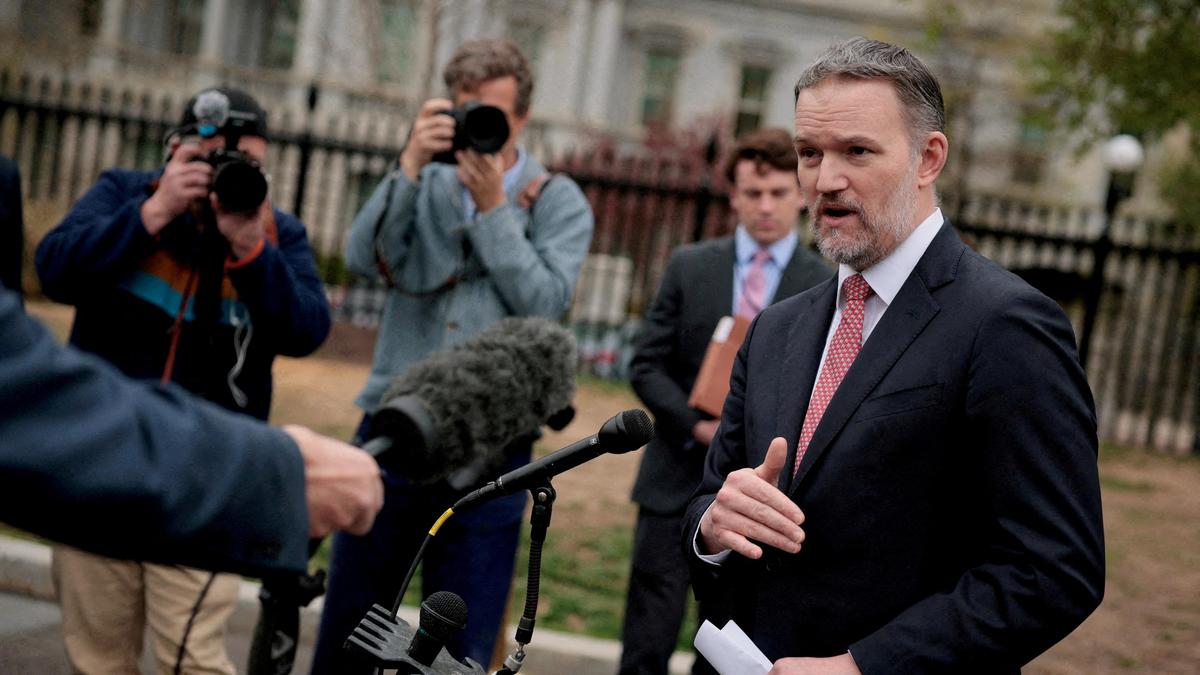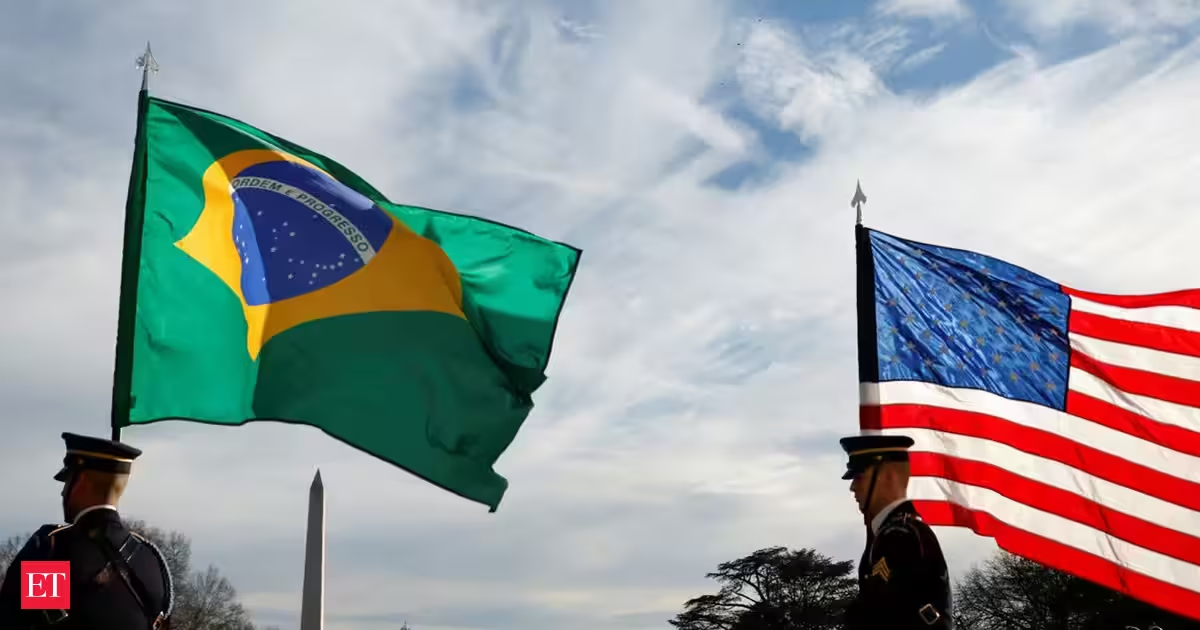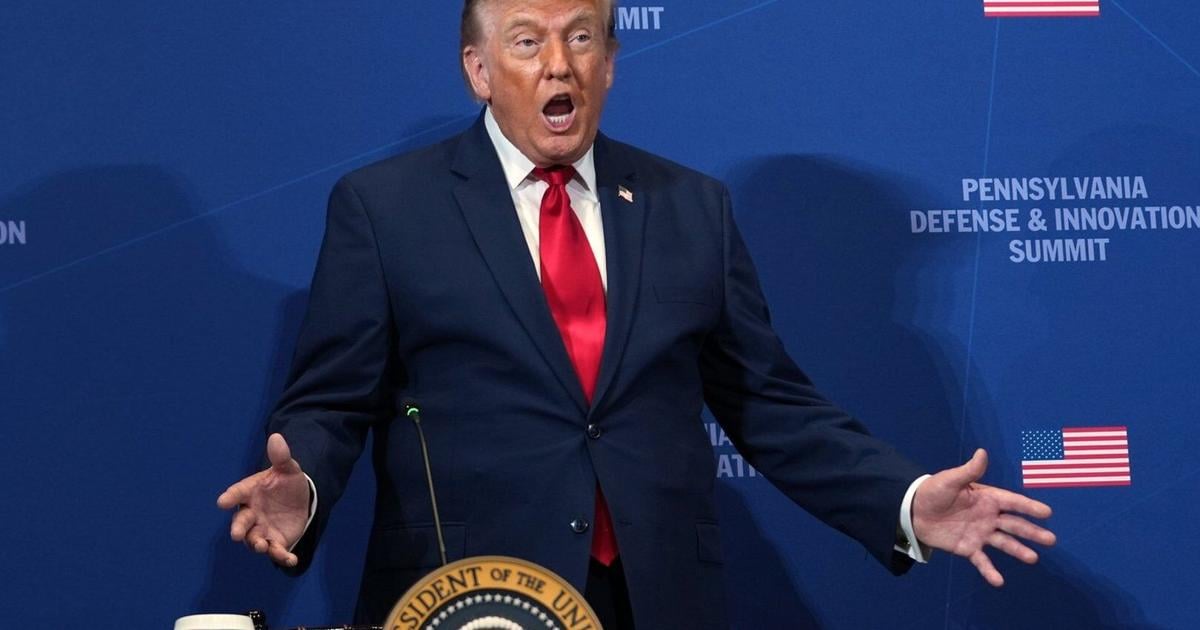
The Trump administration is turning up the heat on Brazil. Starting July 22, the United States will impose a 25% tariff on most goods imported from Latin America’s largest economy, a move confirmed by U.S. Trade Representative Jamieson Greer’s office on July 15.
What triggered the tariffs
The legal mechanism here is a Section 301 investigation, a trade enforcement tool that allows the US government to respond to foreign practices deemed unfair or discriminatory.
The investigation flagged several specific grievances. Brazil’s approach to digital trade and electronic payments drew scrutiny, alongside concerns about illegal deforestation practices, which the US characterized as creating an uneven competitive playing field for American producers who operate under stricter environmental standards.
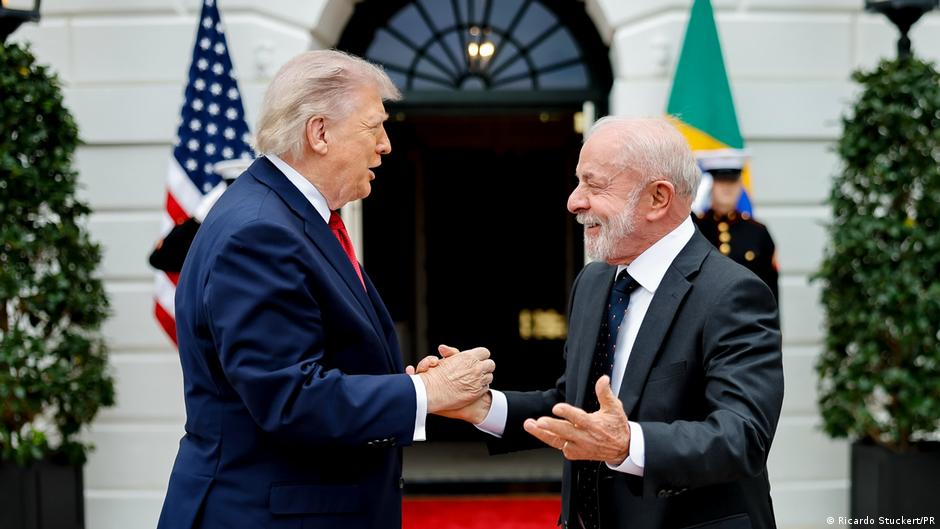
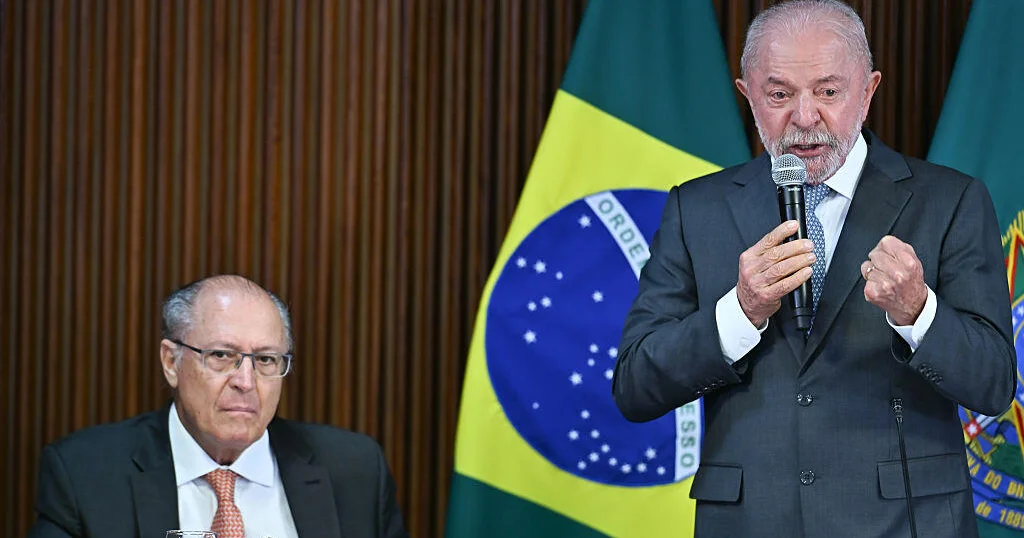
Negotiations between Washington and Brasilia took place but ultimately collapsed. U.S. Trade Representative Jamieson Greer, Secretary of State Marco Rubio, and Brazilian President Luiz Inácio Lula da Silva were among the major figures involved in those talks. The failure to reach an agreement left tariffs as the administration’s preferred next step.