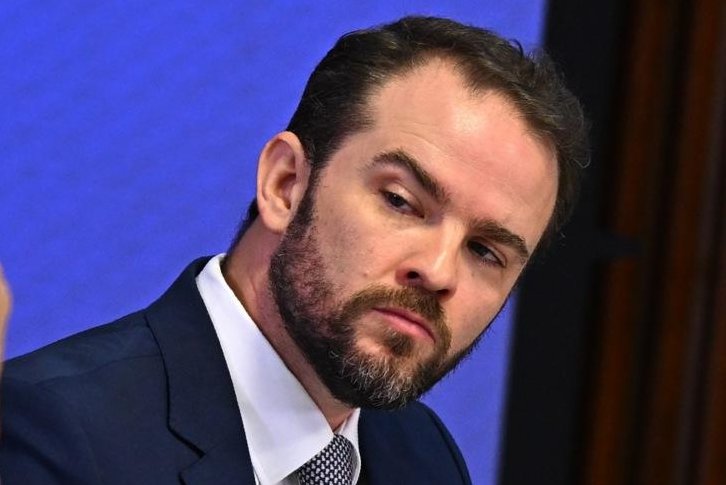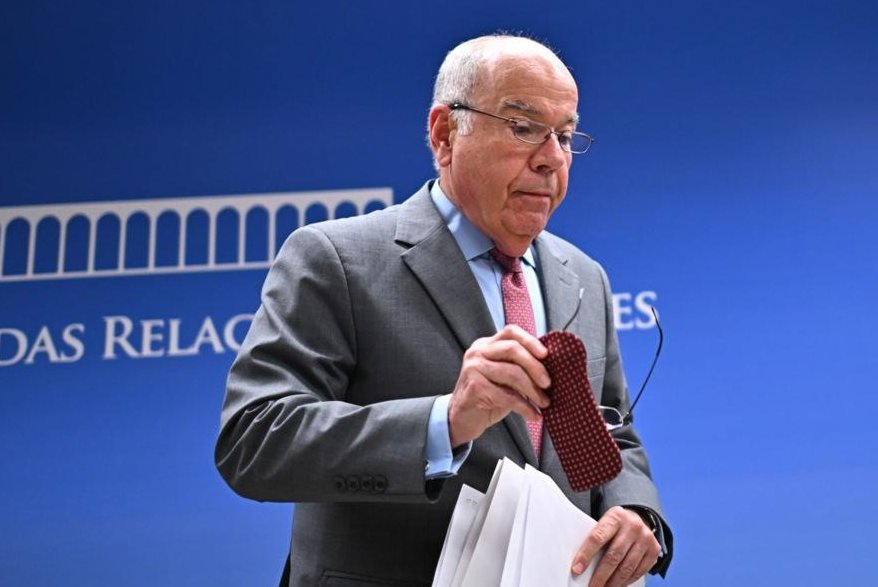
Brazilian Foreign Minister Mauro Vieira participates in a press conference in Brasilia on Thursday after the announcement of new U.S. tariffs on Brazilian goods. 'It is clear that what bothers the U.S. government is that Brazil did not give in to the excessive demands and unreasonable requirements made during the negotiations,' Vieira said. Photo by Andre Borges/EPA
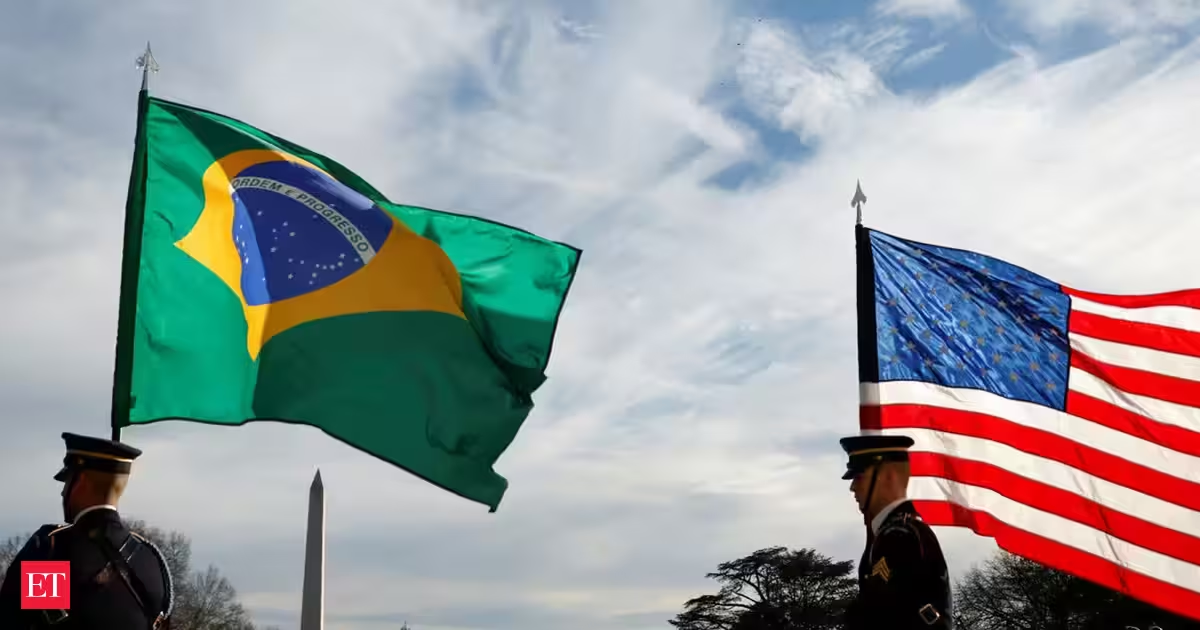
BRASILIA, Brazil, July 17 (UPI) -- Brazil's government has delayed plans to invoke its Reciprocity Law after the United States imposed a 25% tariff on Brazilian exports. It opted instead for a more cautious strategy aimed at avoiding a broader trade conflict.
After meetings between the government's economic team and the country's leading industrial groups, President Luiz Inacio Lula da Silva's administration paused previous plans for immediate retaliatory measures.
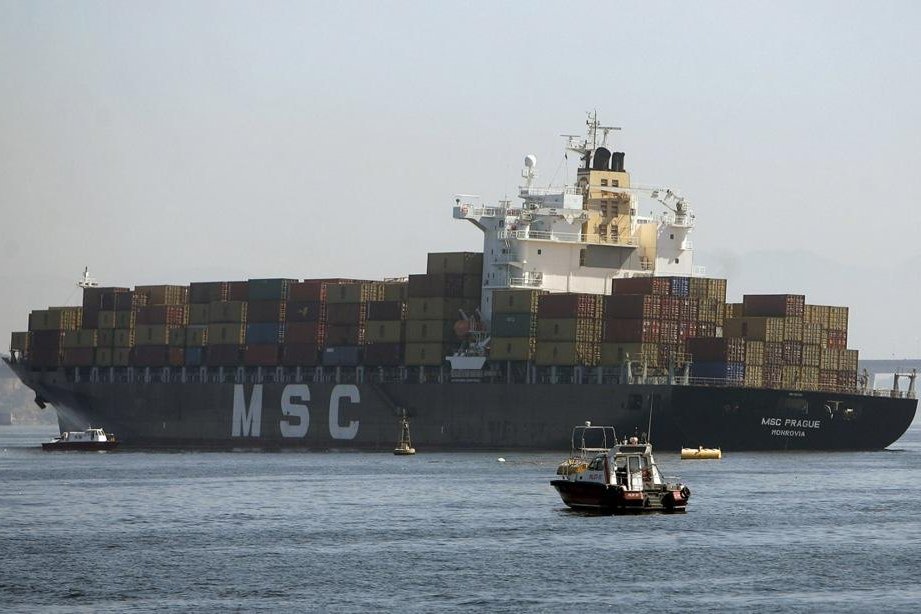
According to Brazilian media reports, officials are concerned that reciprocal tariffs could trigger a trade war, increase the cost of imported inputs and drive up consumer prices in Brazil.
Industrial associations argued that the production chains of both countries are highly integrated, and that making U.S. imports more expensive would also hurt Brazilian manufacturers, CNN Brasil reported.